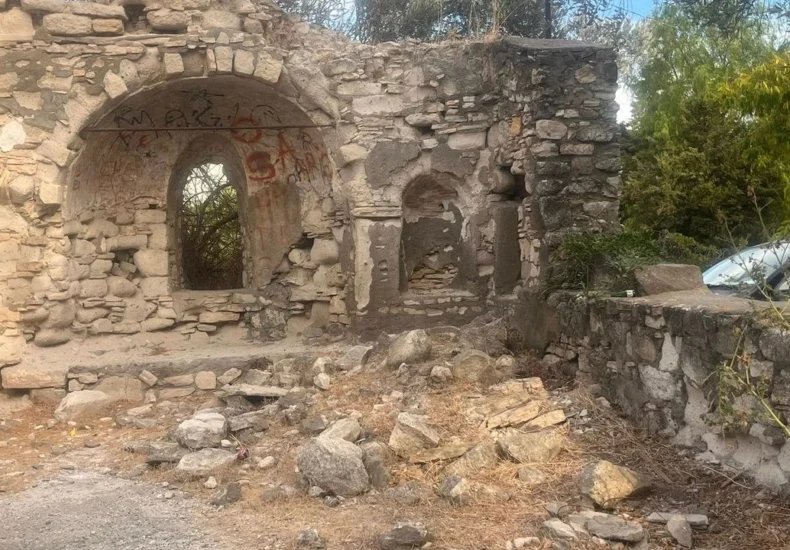
160-Year-Old Church in Çeşme Turned Into Parking Lot: 300-Year-Old Statue Stolen
In the Altınyunus district of Çeşme, İzmir, a small 19th-century church has been left to decay after decades of neglect. Once home to a rare 300-year-old architectural statue of Jesus, the site has been looted, vandalized, and even turned into an informal parking lot. Forgotten Heritage on the Aegean Coast Estimated to have been built
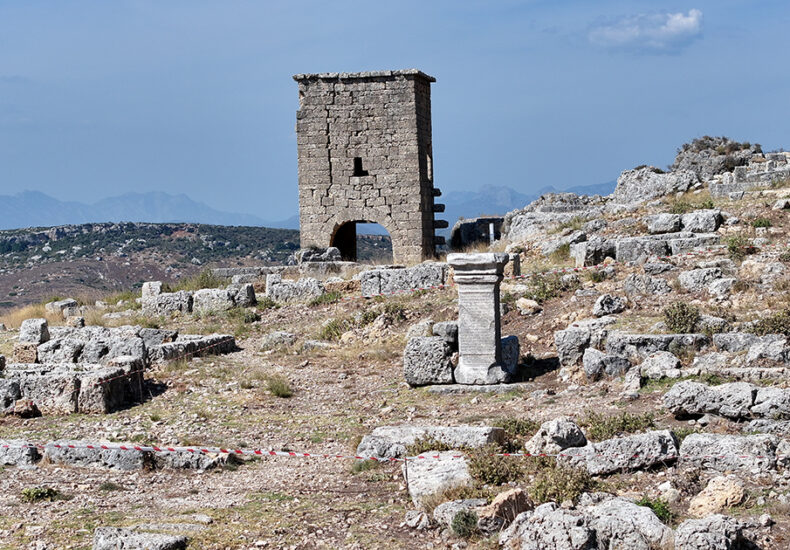
Tomb of Menodora, One of Rome’s Most Generous Women, Unearthed in Sillyon, Antalya
Archaeologists excavating the ancient city of Sillyon in Antalya’s Serik district have uncovered the tomb of Menodora, a wealthy Roman benefactor known for financing public buildings and establishing a foundation for children. The discovery sheds new light on the role of women in urban development during the Roman Empire. The excavation, led by Assoc. Prof.
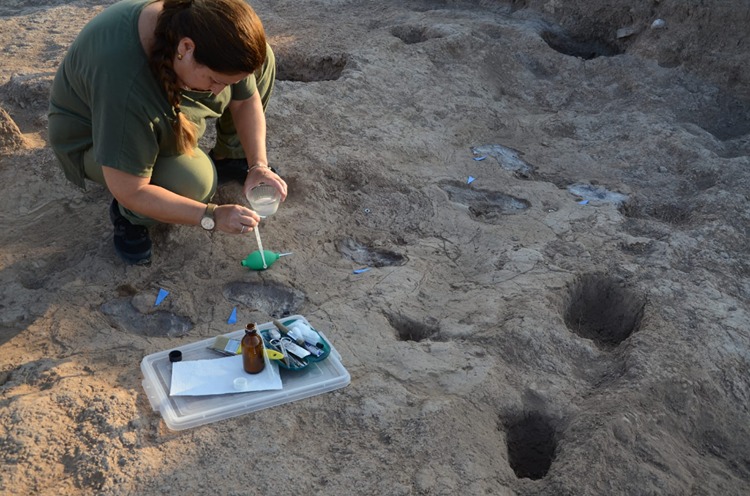
7,000-Year-Old Ubaid-Period Human Footprints Unearthed at Tell Kurdu Mound
Archaeologists working at Tell Kurdu Mound in Hatay, southern Türkiye, have uncovered a discovery rarely seen in Anatolian archaeology: five human footprints dating back 7,000 years. According to Türkiye’s Minister of Culture and Tourism, Mehmet Nuri Ersoy, the footprints were found in layers dated to around 3200 BCE (Ubaid period). “Steps taken seven millennia ago
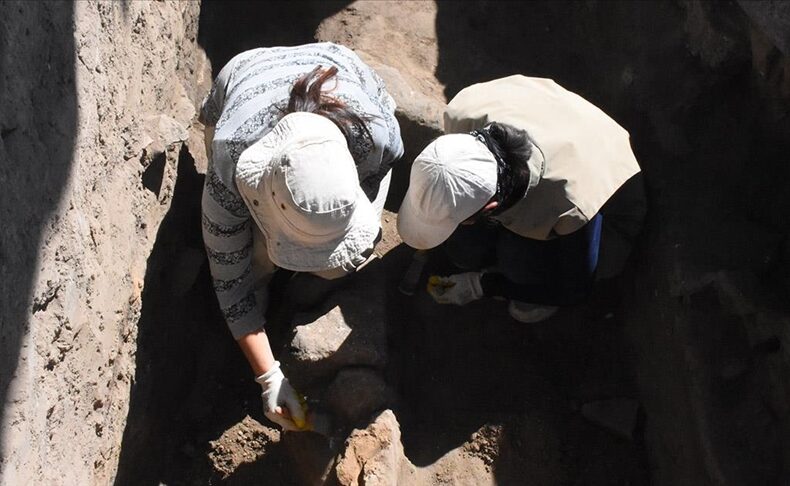
Traces of the Lost Kingdom of Purušhanda: Three Ovens and Two Hearths Unearthed in Üçhöyük
Archaeologists working at Üçhöyük in Bolvadin, Afyonkarahisar (western Türkiye) have uncovered new evidence that may shed light on the long-sought lost kingdom of Purušhanda. This season’s excavations revealed three mudbrick-built ovens and two hearths, suggesting large-scale production activities dating back to the second millennium BC. Excavations at Üçhöyük began in 2020 and have continued under
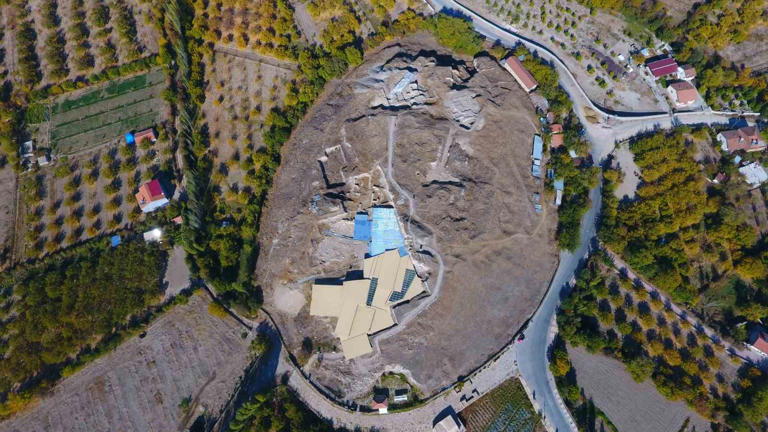
Arslantepe Mound: New Clues to the World’s First State System
The ancient site of Arslantepe in Malatya, Türkiye, continues to reshape our understanding of early civilization. Listed as a UNESCO World Heritage Site since 2021, the mound has been excavated for over 65 years by Italian archaeologists and is recognized as the birthplace of one of the world’s earliest state systems. Prof. Dr. Francesca Balossi
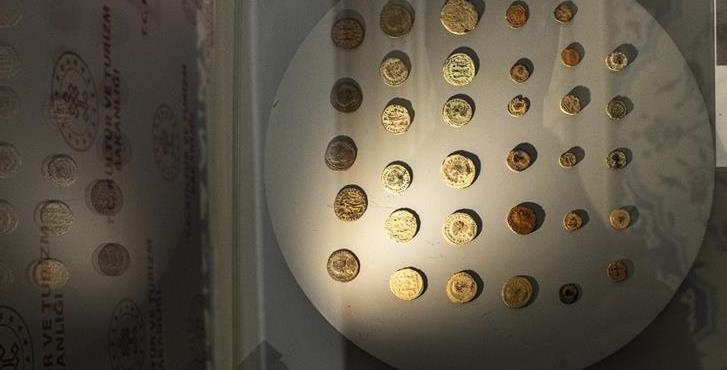
83 Roman Coins Repatriated from the United States to Türkiye
Eighty-three Roman-era coins minted in Anatolia during the 3rd and 4th centuries AD have been returned to Turkey following a joint effort between the Turkish Ministry of Culture and Tourism and the U.S. Homeland Security Investigations (HSI). The repatriation was formally announced at a ceremony held at the Republic Museum in Ankara. Minted in Anatolia,
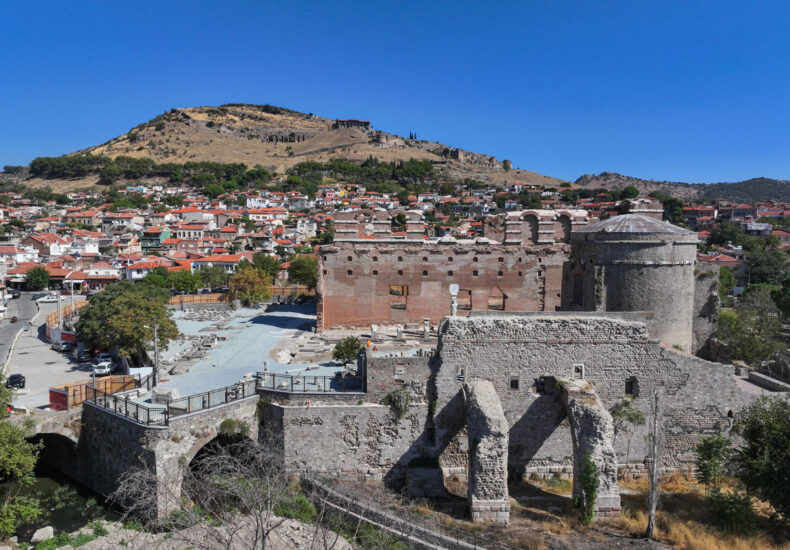
Pergamon’s Red Basilica Set to Reopen in 2026 After Extensive Restoration
At the core of ancient Pergamon in western Türkiye rises the Red Basilica, a colossal Roman sanctuary that has witnessed nearly two millennia of transformation—from a temple dedicated to Egyptian gods under Emperor Hadrian, to one of the earliest Christian basilicas, later adapted as a mosque. Now part of Pergamon’s UNESCO World Heritage landscape, this
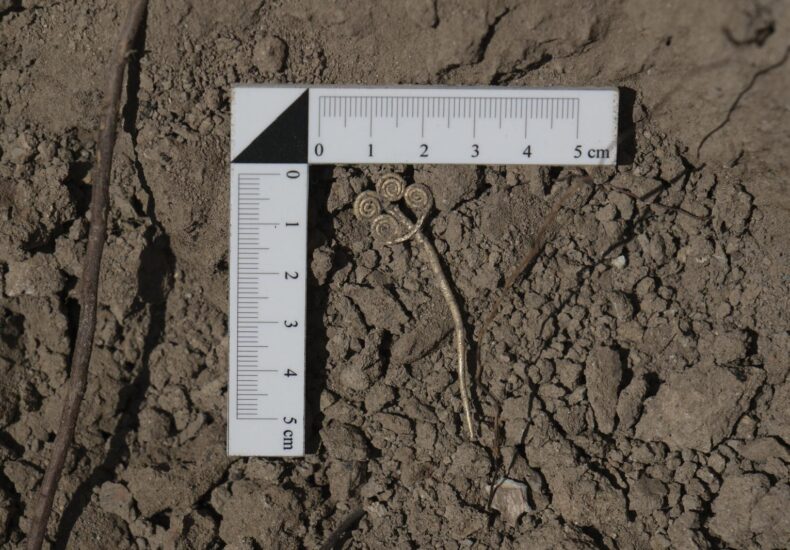
Legendary City of Troy Yields 4,500-Year-Old Golden Brooch and Jade Stone
The ancient city of Troy in Çanakkale, Türkiye — a UNESCO World Heritage Site — has once again captured global attention with a groundbreaking discovery. According to an announcement by Minister of Culture and Tourism Mehmet Nuri Ersoy, excavations at the site have uncovered a golden ring-shaped brooch and a rare jade stone, both dating
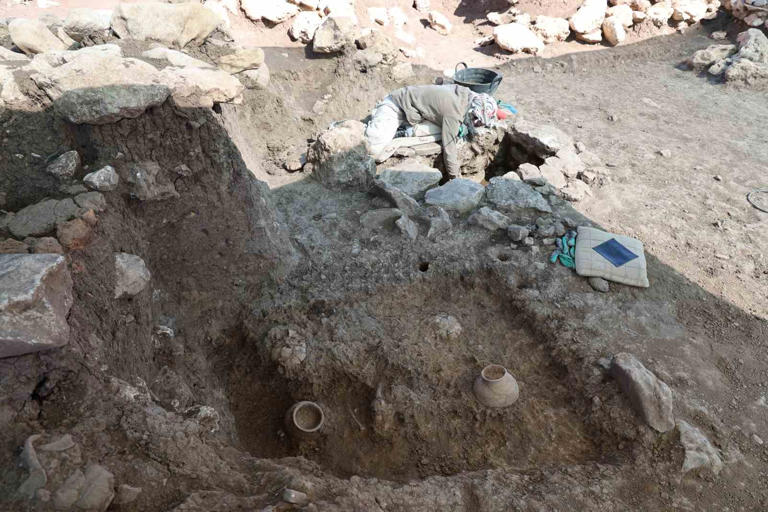
5,000- and 11,000-Year-Old Burials Unearthed at Çayönü: Shedding Light on Neolithic and Bronze Age Anatolia
Archaeologists working at the Neolithic settlement mound of Çayönü, in Ergani district of Diyarbakır, Türkiye, have unearthed six ancient burials—five from the Early Bronze Age, about 5,000 years old, and one dating back 11,000 years to the Neolithic period. The discovery provides crucial evidence of how one of humanity’s earliest farming communities buried and remembered
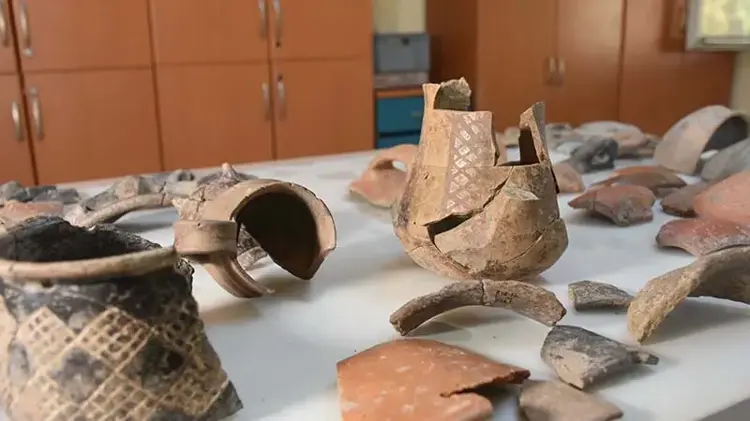
5,000-Year-Old Ceramics Unearthed in İzmir’s Smyrna Mound Reveal Early Trade Links
Archaeologists working at the Bayraklı settlement mound in İzmir — known as Old Smyrna Mound — have uncovered ceramic vessels dating back 5,000 years, shedding light on the region’s role as an emerging hub of Early Bronze Age trade. The excavations, carried out under the Turkish Ministry of Culture and Tourism’s Heritage for the Future