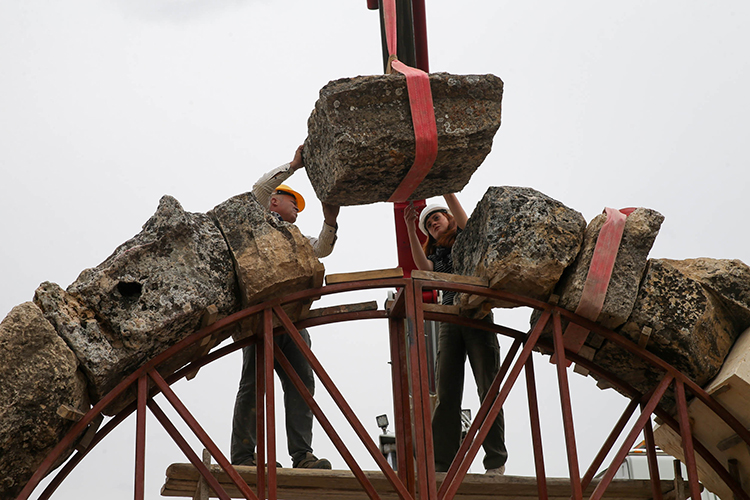
2,100-Year-Old Aqueducts Restored in Historic Blaundos City, Western Türkiye
In Western Türkiye, near the modern city of Uşak, the ancient Blaundos city has witnessed an important archaeological restoration. Eight aqueducts dating back over 2,000 years have been carefully uncovered and restored, shedding light on the sophisticated water management systems of the Hellenistic and early Roman periods. Blaundos, originally established as a military garrison by
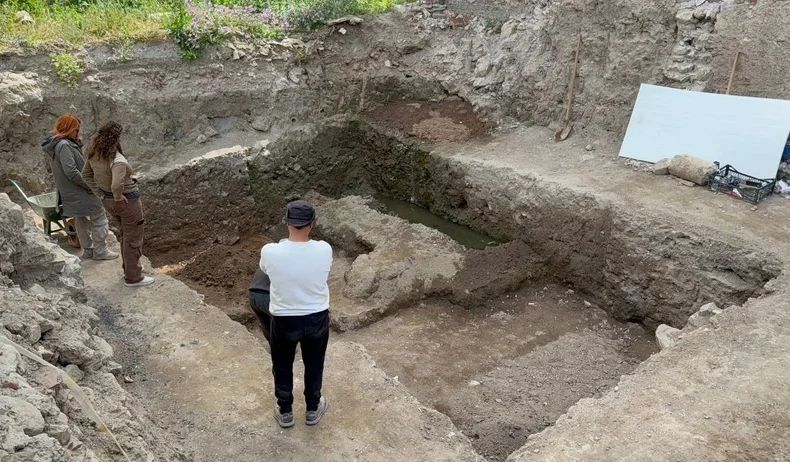
Mosaic Claimed to Date Back to the Time of Jesus Discovered in İznik: Historical Excitement Ahead of Pope Leo XIV’s Visit
During foundation excavations in a house in İznik, Bursa, mosaics believed to date back to the time of Jesus Christ were uncovered. This discovery coincides with the recent announcement of Pope Leo XIV, the newly elected leader of the Catholic world, planning a visit to İznik, creating a historic coincidence. The mosaics, found in İznik’s
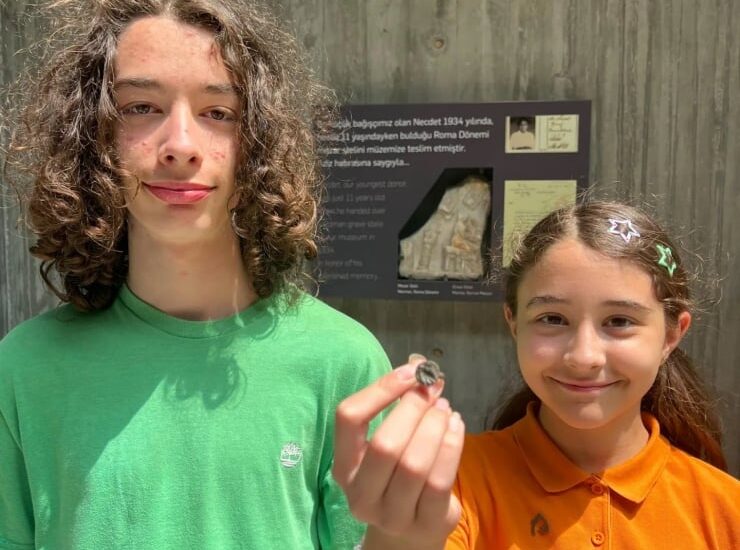
Two Young Brothers Donate a Rare Byzantine Signet Ring to the Troy Museum
In a heartwarming act of cultural awareness, two young brothers from Ayvacık, a district in the Turkish province of Çanakkale, donated a rare signet ring believed to date back to the Byzantine Empire to the Troy Museum. Aden Dayangaç, 10, and his older brother Doran Dayangaç, 14, found the artifact near their home in Demirci
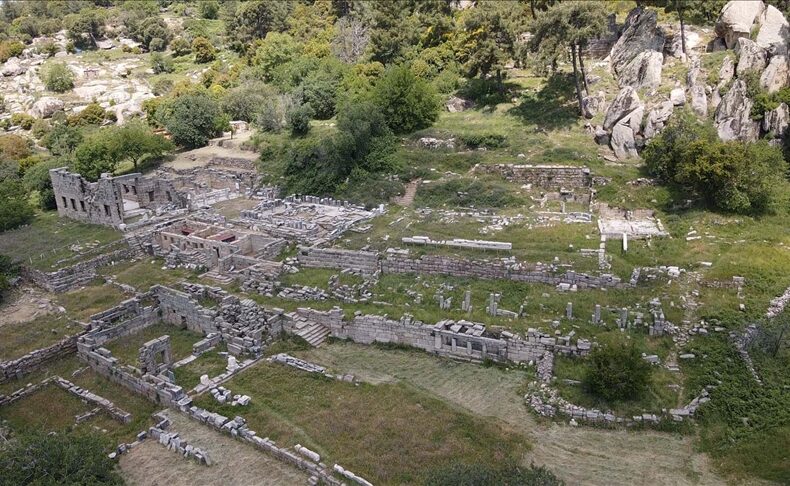
Unearthing Labraunda: The Sacred Mountain Sanctuary of Ancient Caria Revealed
Ongoing archaeological and restoration efforts at the ancient city of Labraunda, located in the Milas district of Muğla, Türkiye, are breathing new life into one of Caria’s most sacred religious centers. Supported by the Turkish Ministry of Culture and Tourism’s Heritage for the Future initiative, the project focuses on uncovering monumental terrace walls, ceremonial gates,

6th-Century “Türk-Kağan” Coin Could Be the Oldest Record of the Word “Türk”
An extraordinary archaeological find may rewrite the early history of the Turkic people. In Uzbekistan, researchers have uncovered a 6th-century bronze coin bearing the inscription “Türk-Kağan” — a discovery that could represent the earliest known written record of the word “Türk” in history. The coin is believed to date back to the Western Göktürk Khaganate
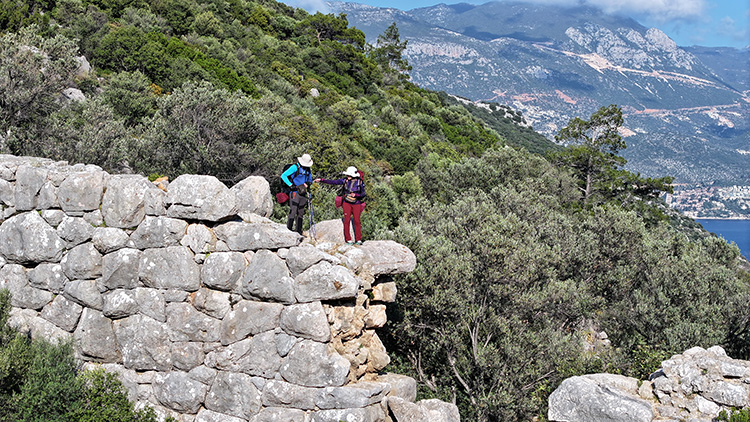
Delikkemer Aqueduct: An Ancient Engineering Marvel Leading to Patara
Located in the Kaş district of Antalya, Türkiye, the Delikkemer Aqueduct invites visitors on a breathtaking journey through history. Built during the Hellenistic period and extensively used throughout the Roman Empire, this remarkable 22-kilometer waterway once supplied the ancient city of Patara with fresh water. A Walk Through Time: From Mountains to the Sea The
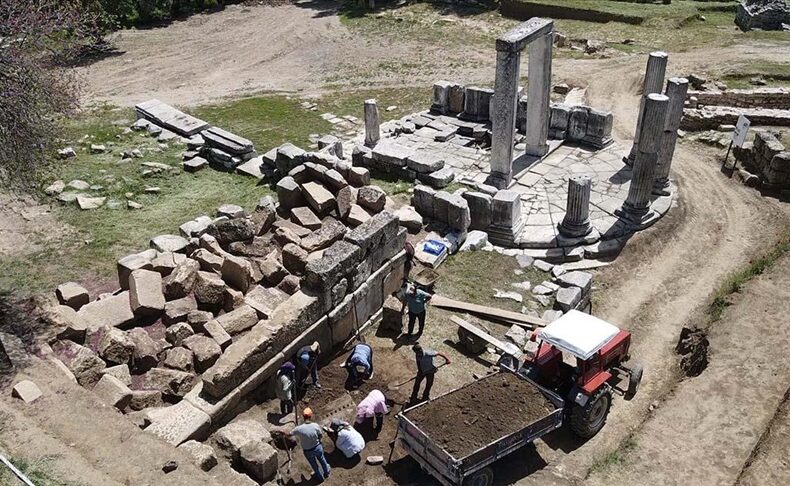
Ancient City Gate and Shops Unearthed at Hecate Lagina Sanctuary in Muğla, Türkiye
Excavations continue at the Hecate Lagina Sanctuary, one of the most important ancient religious centers in western Türkiye. Located in the Yatağan district of Muğla, the site is revealing remarkable new findings, including the ancient city gate and commercial structures believed to be shops used by ancient visitors before entering the sanctuary. 134 Years of
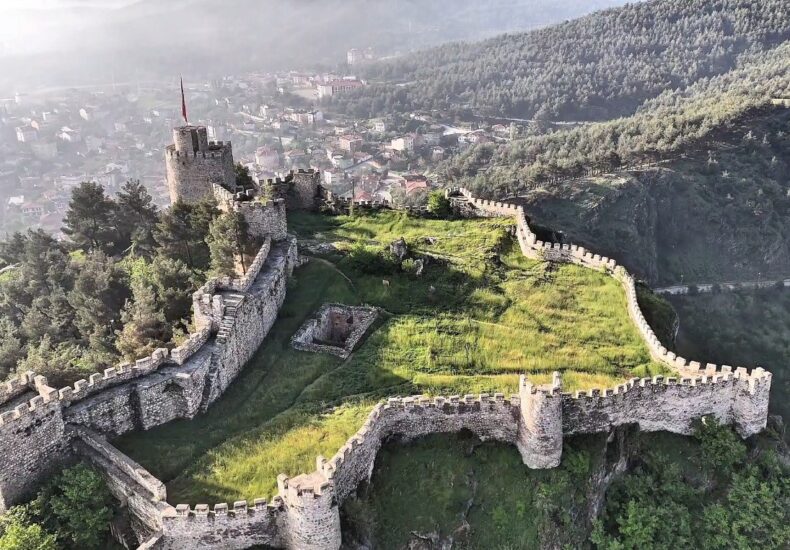
Boyabat Castle: 2,700 Years of Paphlagonian Legacy
Located at the northernmost edge of Türkiye, Sinop is a city not only known for its natural beauty but also for its deep-rooted historical heritage. One of the most striking remnants of this heritage is Boyabat Castle, an ancient stronghold built around 2,700 years ago by the Paphlagonians. Perched on a rugged cliff overlooking the
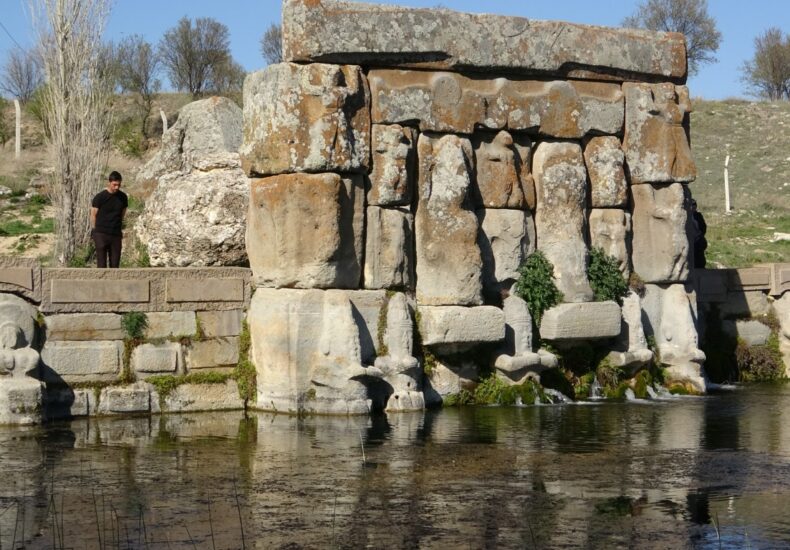
Eflatunpınar Hittite Water Monument: 3,275 Years of Heritage Written in Water
Located in Konya’s Beyşehir district, Eflatunpınar reflects the sacred meaning of water in Hittite civilization The Eflatunpınar Hittite Water Monument, located in the Beyşehir district of Konya, was built approximately 3,275 years ago by the Hittites for religious ceremonies and to exalt the water cult. Positioned beside a clean natural spring, the monument stands as
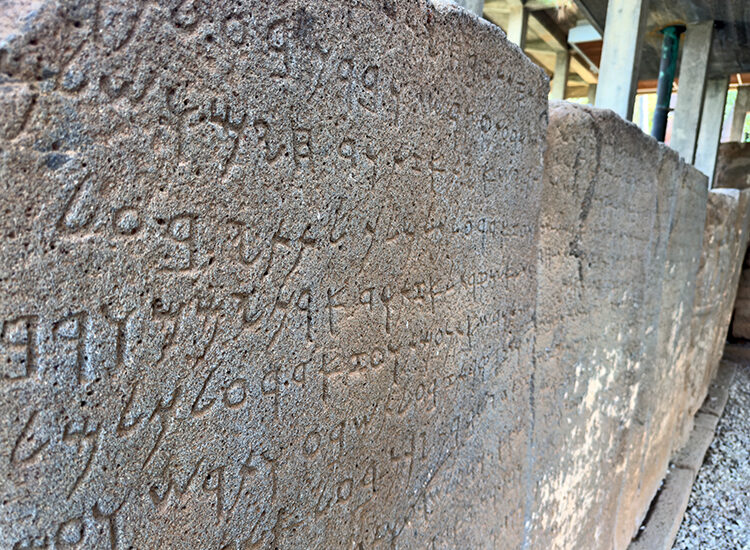
Karatepe Aslantaş Inscriptions Added to UNESCO Memory of the World Register
The Karatepe Aslantaş Open-Air Museum, recognized as Turkey’s first open-air museum, has achieved international recognition as its bilingual inscriptions in Anatolian Hieroglyphs and Phoenician were officially added to UNESCO’s Memory of the World International Register under the title Karatepe Inscriptions. Historic Step for Cultural Heritage The inclusion was announced following the latest session of the