
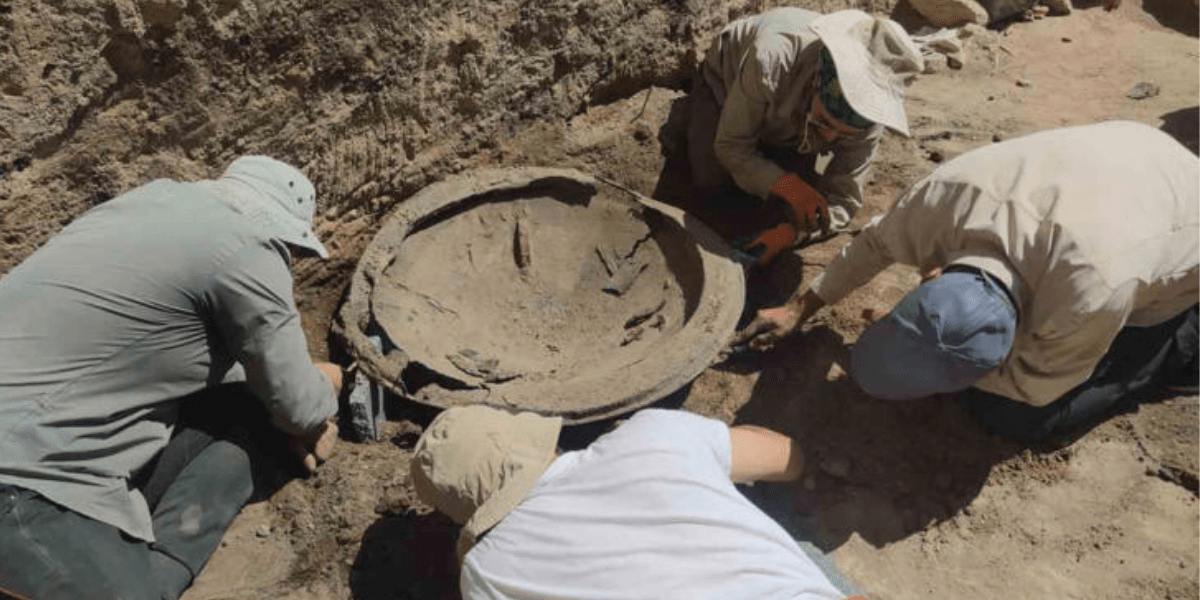
Three 2700-year-old bronze shields and a bronze helmet dedicated to the Urartian “god” Haldi found in Ayanis castle
Three bronze shields and a bronze helmet dedicated to the Urartian “god” Haldi were found in the fortress of Ayanis in the eastern Anatolian province of Van. The Urartian civilization was established in the region that today borders Türkiye, Iran and Armenia, especially in Eastern Anatolia, from the 9th century BC. This state, whose capital
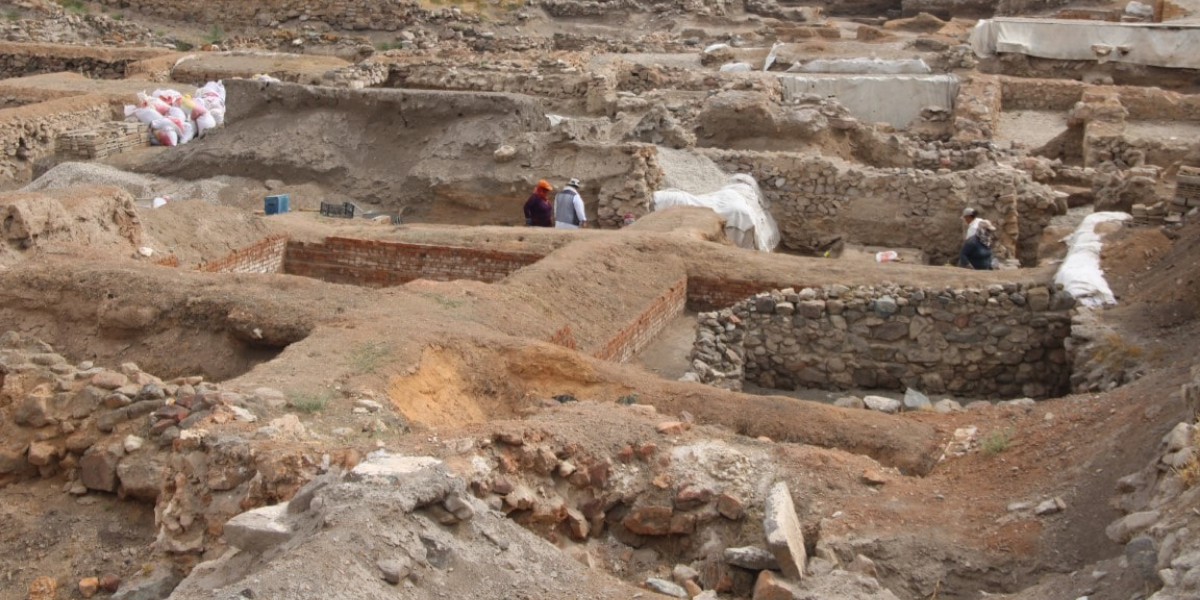
Climate change may be the cause of the catastrophe 4200 years ago in Kültepe, where written history began in Anatolia
Experts think that climate change may have been the cause of the disaster 4200 years ago in Kültepe, the largest karum of the Assyrian trade colonies period when written history began in Anatolia. Kültepe, also known as Kaniš or Neša, is located in the province of Kayseri in modern-day Türkiye. Thanks to the cuneiform tablets
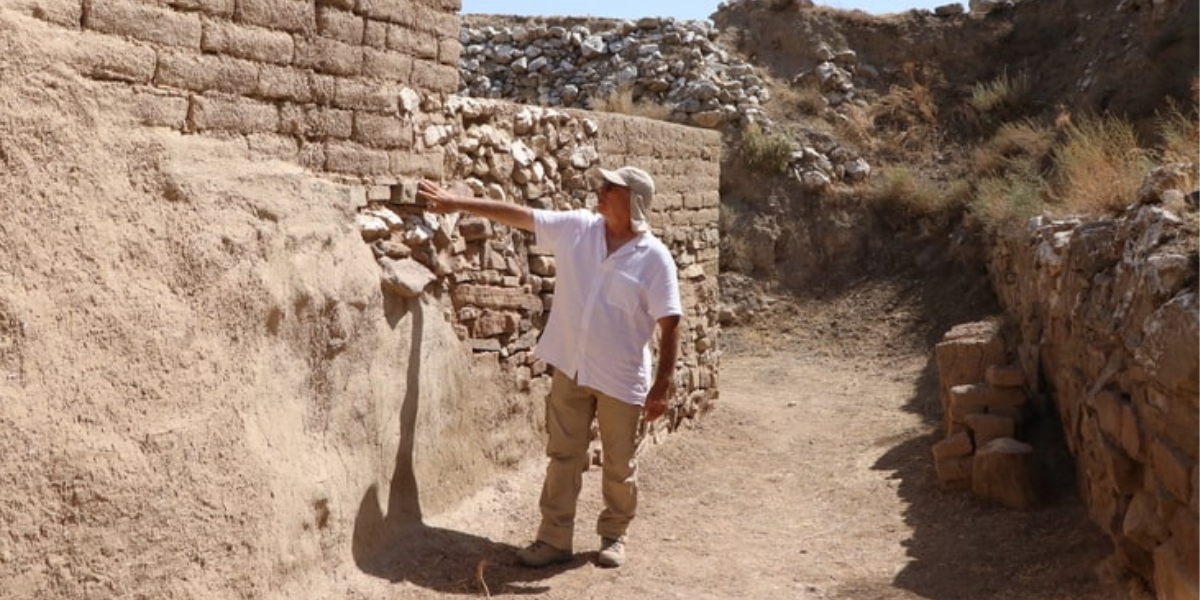
3500-year-old Hittite mudbrick structures at Porsuk-Zeyve Höyük emerged stronger from the fires
The Hittite mudbrick structures at Porsuk-Zeyve Höyük, which was an important settlement in the Bronze Age due to its location on the road connecting Central Anatolia to the Mediterranean, have survived to the present day, strengthened by fires thought to have started in the 15th and 16th centuries BC. Porsuk-Zeyve Höyük is located near the

Shepherds discovered a cave with stalactites and stalagmites formed over millions of years
Shepherds discovered a new cave with stalactites and stalagmites formed ‘drop by drop’ over millions of years by water mixed with magnesium and calcium. The discovered cave is located within the borders of Gümüşkaşık village in the Gerger district of Adıyaman in southeastern Türkiye. The cave with stalactites and stalagmites formed over millions of years
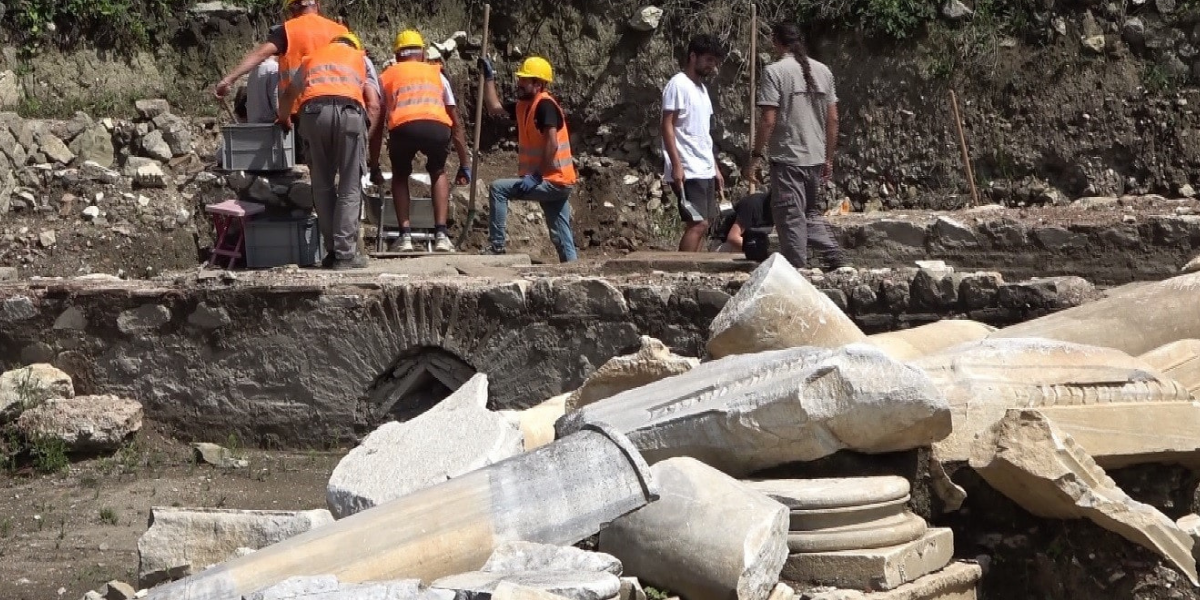
Amastris was shaken by a great earthquake 1600 years ago
The remains of a marble columned structure unearthed during the excavations of the ancient city of Amastris in the Amasra district of Bartın showed that Amastris was shaken by a major earthquake about 1600 years ago. The exact date of the earthquakes and floods that damaged the structure, which is thought to have been built
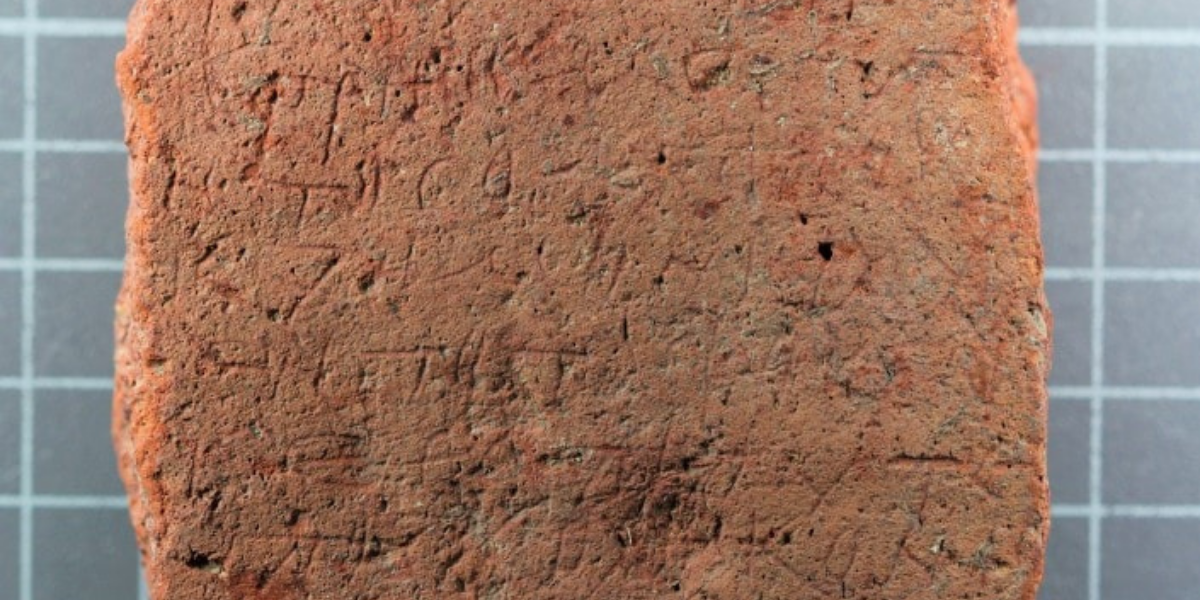
A talisman tablet believed to protect from all kinds of evil and enemies was unearthed in a tomb in Silifke Castle
A magical, talismanic tablet designed to protect against evil and enemies has been unearthed in Silifke Castle on Türkiye’s Mediterranean coast. The talismanic tablet was found inside a tomb. It was made to protect the owner of the grave or the grave. It was determined that the tablet belonged to the Byzantine Period. Silifke Castle
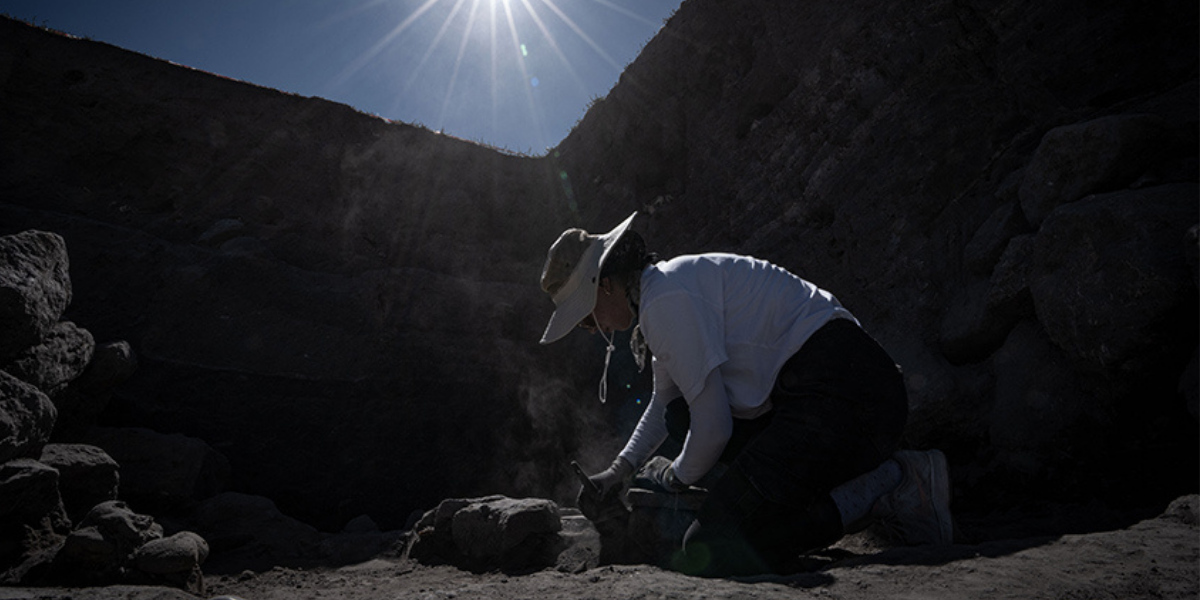
Excavations at Değirmenler Höyük in eastern Türkiye reveal traces of a 6,000-year-old settlement
In the rescue excavations started at Değirmenler Höyük (Değirmen Mound) in Erzurum in eastern Türkiye, settlements dating back about 6 thousand years were found in the first findings. The “Değirmenler Höyük Excavation” rescue excavation project, led by the Erzurum Museum Directorate, started on July 1. During the 2-month excavation, settlement layers dating back to approximately
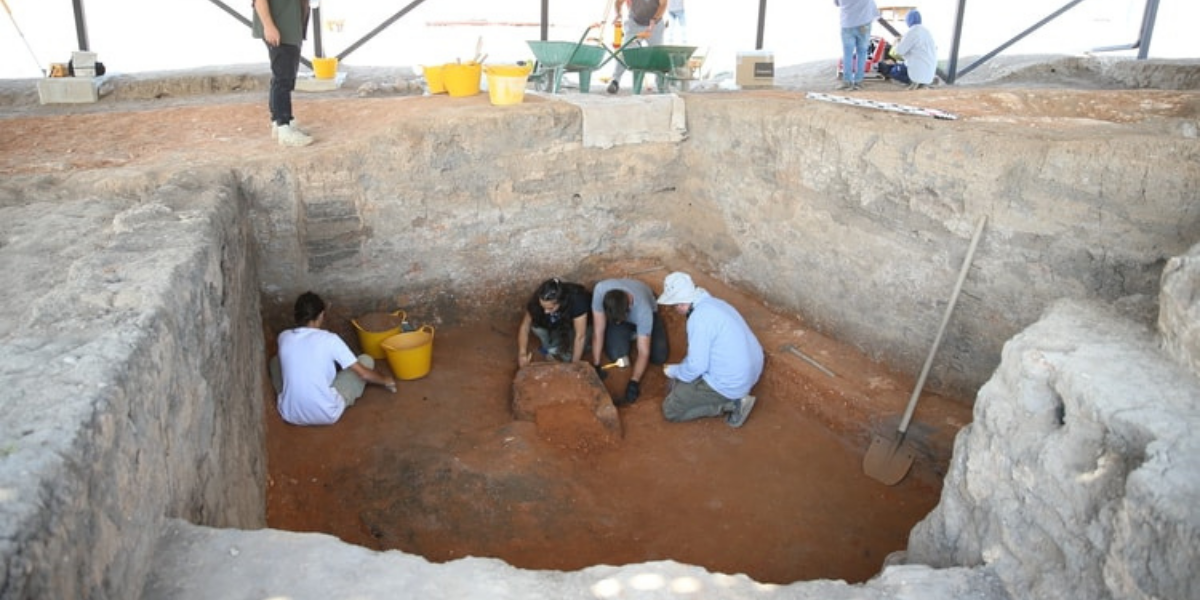
Archaeologists reveal that 5,200-year-old structures at Küllüoba were filled with soil and covered over
During the ongoing excavations at the Küllüoba mound in the Seyitgazi district of Eskişehir, it was discovered that 5,200-year-old structures were preserved by filling them with soil. This discovery raised new questions. The Küllüoba Mound, which sheds light on the prehistoric and historical periods of Anatolia, has an uninterrupted settlement from the Late Chalcolithic Age
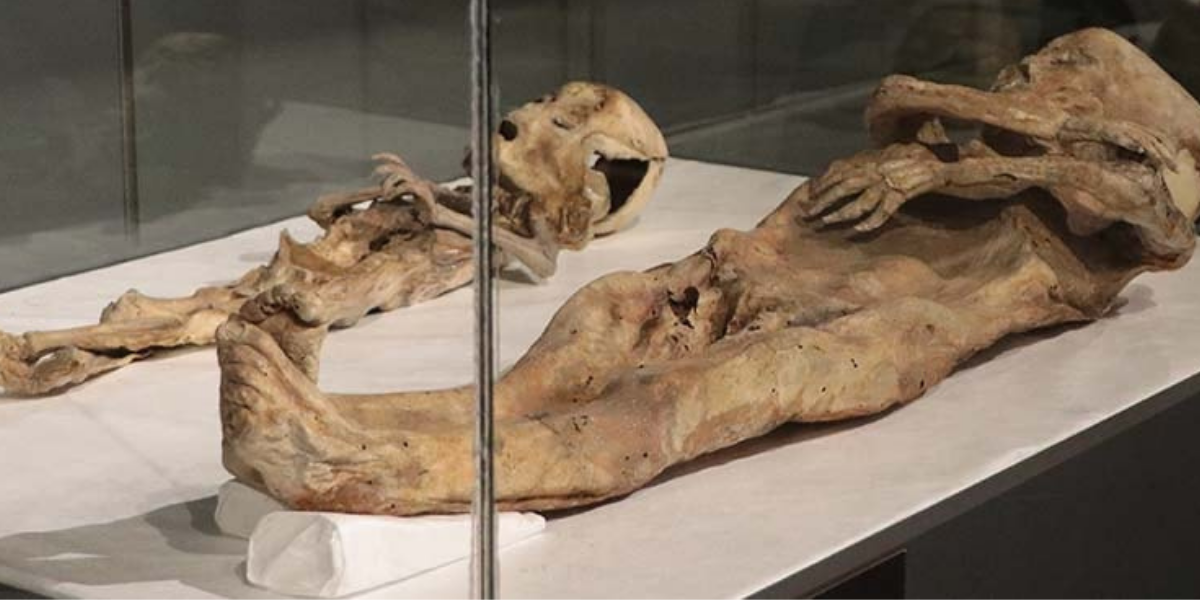
Two child mummies thought to be from the Eastern Roman period are preserved at Kayseri Museum
In 1927, two child mummies, thought to be from the Eastern Roman period, were found during the road works that would provide transportation from Kayseri to Ankara. One of the child mummies, which caused great excitement that day, was a boy and the other a girl and was preserved as it was the first day.
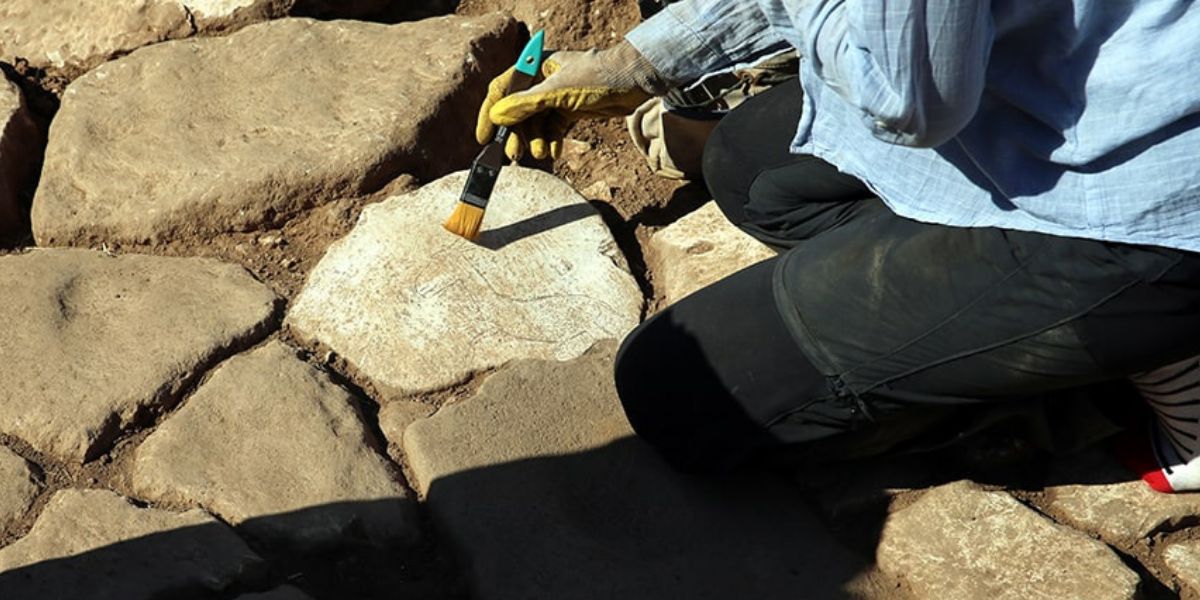
Running wild donkey figure carved into the ground stone discovered in Karahantepe
In Karahantepe, a Neolithic settlement with a history of approximately 12,000 years, a figure of a running wild donkey carved on stone was unearthed. Karahantepe is considered to be an important turning point in humanity’s transition to settled life As in Göbeklitepe, T-shaped obelisks were also found in Karahantepe. These obelisks provide important information about