
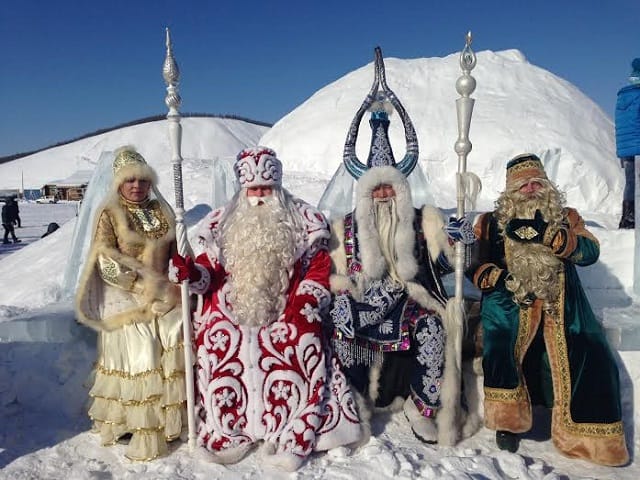
Is there a figure named Ayaz Ata in Turkish mythology?
The movements of the sun have formed a common point in ancient belief systems. The daily rising and setting of the sun, along with its annual seasonal movement, have shaped belief systems. The sun has symbolized rebirth and beginning through its rise and death or conclusion through its setting for humans. The sun has shaped
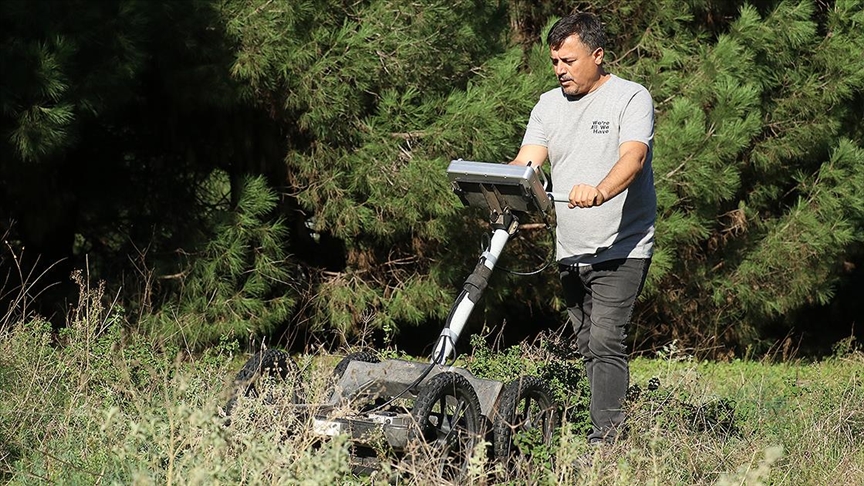
The center of Helenapolis Ancient City will be revealed with ground-penetrating radar
The central part of the ancient city of Helenapolis, which was an important port city in the late 4th century BCE, will be revealed through ground-penetrating radar. Excavations of the ancient city of Helenapolis, named after the mother of Roman Emperor Constantine the Great, have commenced, including the underwater sections of the city. The underwater
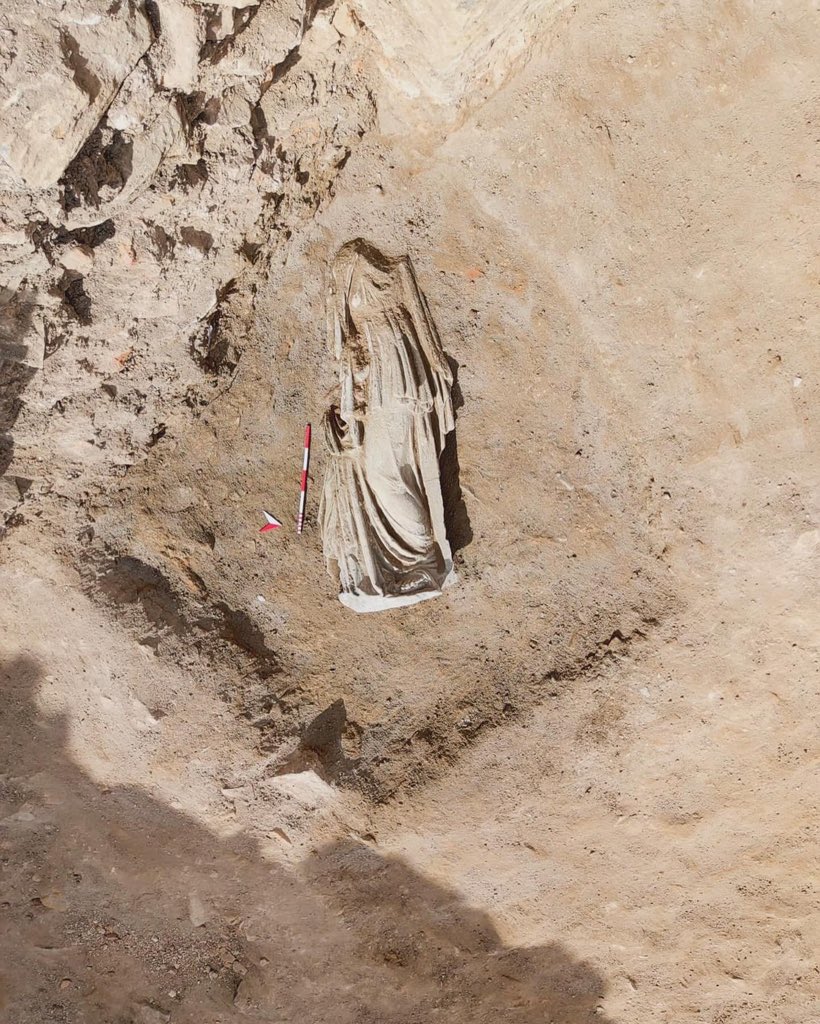
The original of Philiskos’ famous dancing Muses statue has been uncovered
The original of the famous dancing Muses statue by Philiskos, one of the renowned sculptors of the Hellenistic period, has been unearthed. The original statue of the Muses, which is 2175 years old and has Roman period copies in Perga, Rhodes, and the island of Delos, was discovered during excavations in Stratonikeia. The city where
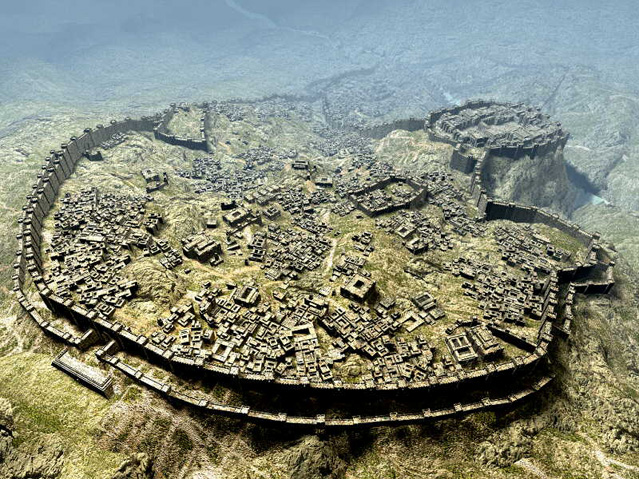
Hattusa: A Journey into the Heart of the Hittite Empire
Hello history enthusiasts! Today, let’s embark on a time-traveling adventure to Hattusa, the mysterious capital of the Hittite Empire, peacefully resting in the vast plains of modern-day Turkey. Hattusa has piqued the curiosity and enchanted researchers for years, existing as an archaeological treasure trove. Let’s take a glimpse into the unknown world of this fascinating
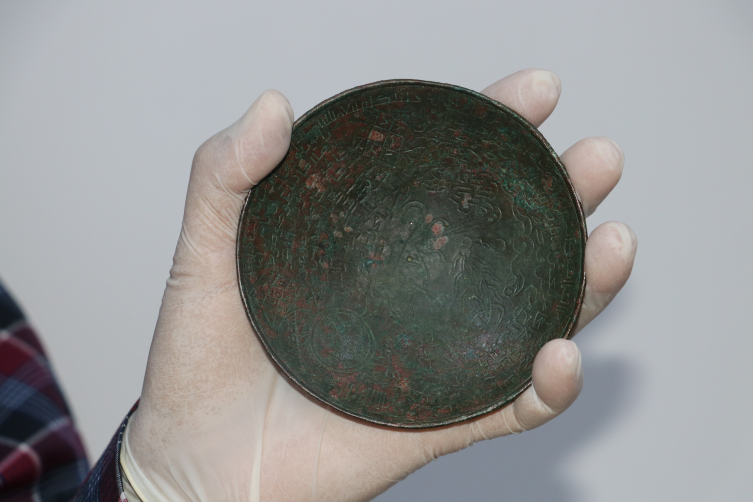
Rare talismanic healing bowl found in Hasankeyf excavations
During the ongoing excavations in Hasankeyf Mound, one of the oldest Neolithic settlements in Anatolia, an 800-year-old talismanic bowl used for healing and two thumb rings made of agate and bone used by archers were unearthed. Hasankeyf Mound is located in the Hasankeyf district of Batman province in southeastern Turkey. In addition to artifacts from
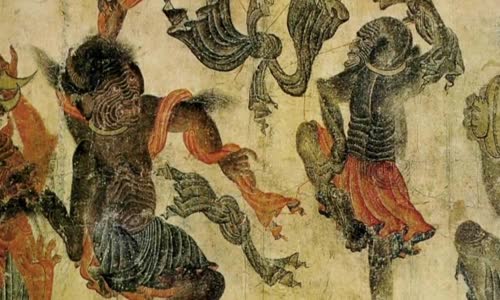
Spirits of Girnavaz Mound
Girnavaz Mound is located 4 kilometers north of the Nusaybin district, which belongs to the Mardin province in Turkey. It’s situated very close to the Syrian border and lies along the route coming from Northern Mesopotamia. Its introduction to the scientific world was attributed to A.T. Olmstead. The mound represents a settlement from the Neo-Assyrian
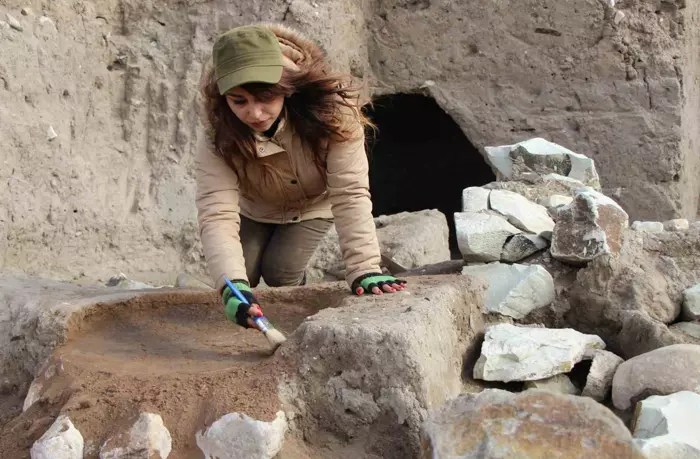
The 2600-Year-Old Altar Unearthed at Oluz Mound Will Shed Light on the History of Ancient Near Eastern Religion
The 2600-year-old Median period altar discovered in Oluz Höyük, which has a history of 6000 years, will shed light on the religious history and religious archeology of Asia Minor. Oluz Höyük is located 3 kilometers south of the Amasya-Çorum highway, about 2 kilometers northwest of Gözlek Village, and approximately 5 kilometers east of Toklucak (formerly
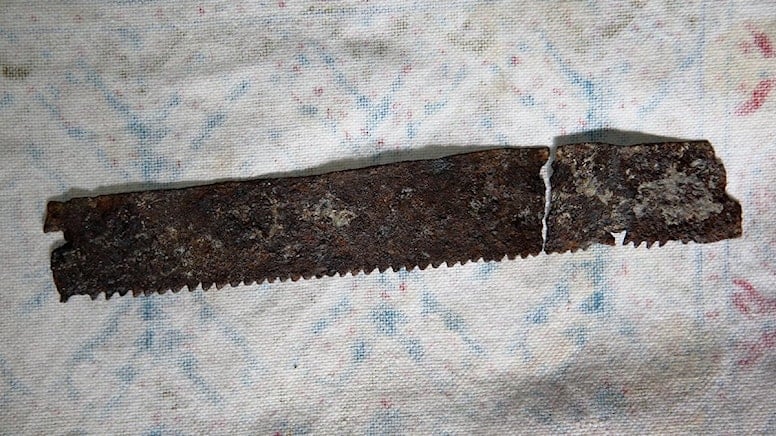
Discoveries in the Hittite capital of Hattusa never cease
Discoveries never end in Hattusa, the capital of the Hittites who founded the magnificent empire of the Bronze Age. After the piece of ivory decoration with a sphinx found last week, a 2250-year-old saw was unearthed today. Archaeological excavations in Hattusa, located in the Boğazkale district of Çorum, began in 1906 and have been conducted
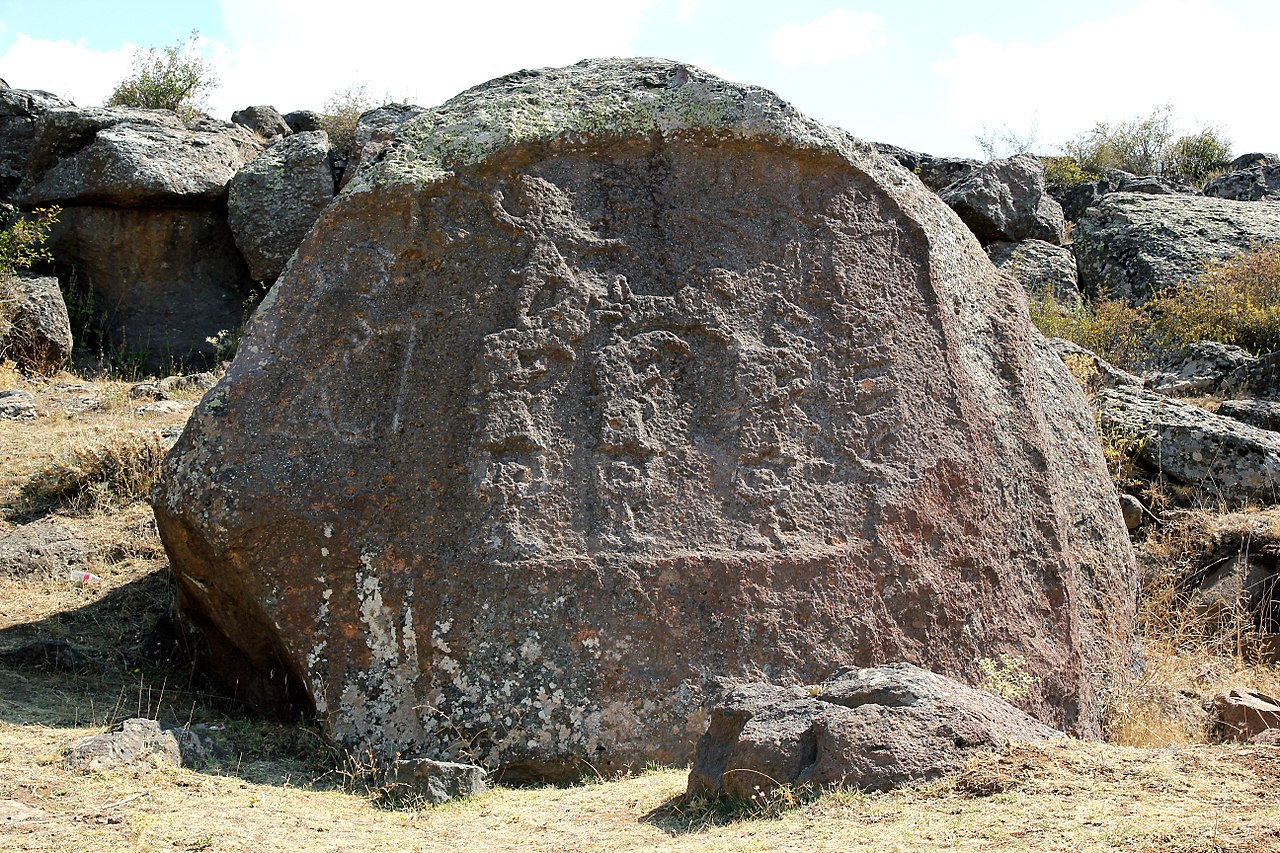
Hittite Period İmamkulu rock relief
İmamkulu Relief is one of the most beautiful examples of Hittite period (probably 13th century) art. İmamkulu relief is located near İmamkulu village in Develi district of Kayseri province. The relief measures approximately 3.25 meters x 2 meters and has been exposed to considerable weathering. It was carved into the smooth surface of a large

Demeter figurines were found in the ancient city of Aigai, the land of goats
During the excavation works at Aigai Ancient City, which derives its name from the Greek word ‘αίγα’ meaning goat, two statuettes depicting Demeter, known in Greek mythology as the goddess of earth and fertility, along with fragments of an embossed vase, were found in a cistern. Aigai is located near the Köseler neighborhood of Yunt