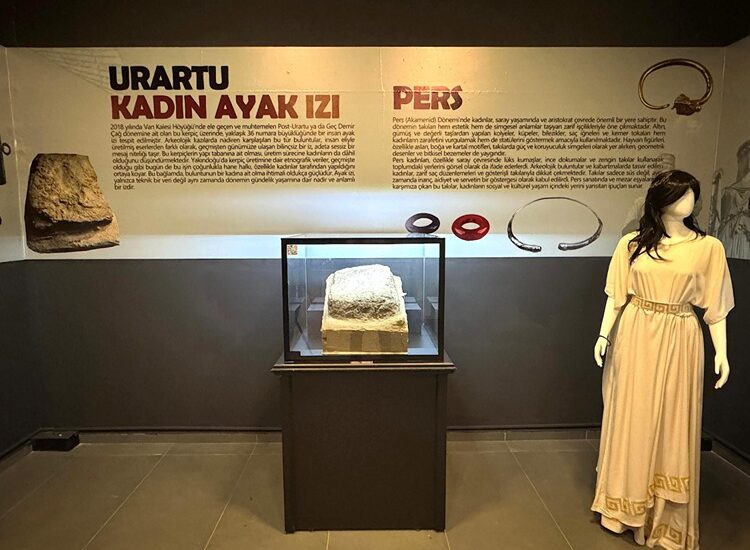
Footprint of an Urartian Woman Goes on Public Display for the First Time in Van Museum
Dating back nearly 3,000 years, a remarkably preserved female footprint imprinted in mudbrick reveals rare insight into daily life and women’s labor during the Urartian era. A silent echo of an ancient life has surfaced for public view: a female footprint from the Urartian civilization is now on display for the first time at the
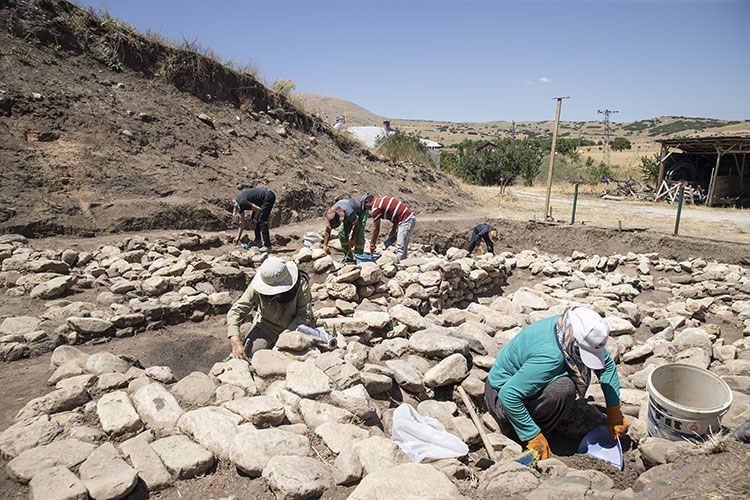
Archaeological excavations continue at the 8,000-year-old Tozkoparan Mound in eastern Türkiye
After a two-year hiatus, archaeological excavations have resumed at Tozkoparan Mound, located in the Pertek district of Tunceli, eastern Türkiye. Recognized as a first-degree archaeological site in 2017, the mound is believed to contain layers of human settlement dating back over 8,000 years. New findings are expected to shed light on prehistoric life in Eastern
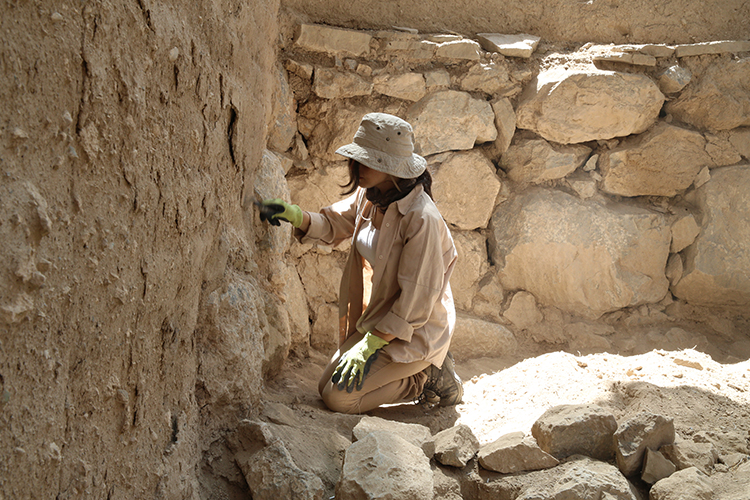
Archaeologists Uncover Striking New Findings at the Royal Temple of Haldi in Ayanis Fortress
With special permission from the Turkish Ministry of Culture and Tourism, excavations continue at Ayanis Fortress, one of the most monumental and well-preserved structures of the Urartian Kingdom. The ongoing work focuses on the Royal Temple complex dedicated to Haldi — the supreme deity of the Urartians — where remarkable new findings are being brought
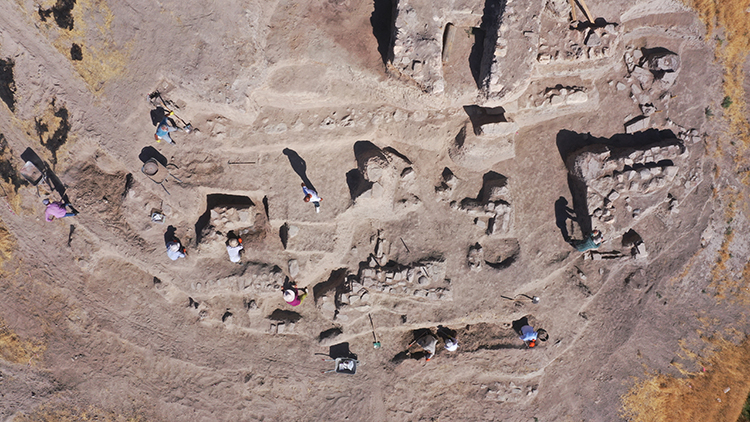
6,000-Year-Old Temple with Blood Channel and Altar Unearthed in Elazığ, Türkiye
A 6,000-year-old temple site has been discovered during archaeological excavations in the village of Tadım in Elazığ, eastern Türkiye. This significant find sheds new light on the region’s ancient past. The excavations, coordinated by Türkiye’s Ministry of Culture and Tourism and carried out by the Elazığ Provincial Directorate of Culture and Tourism together with the
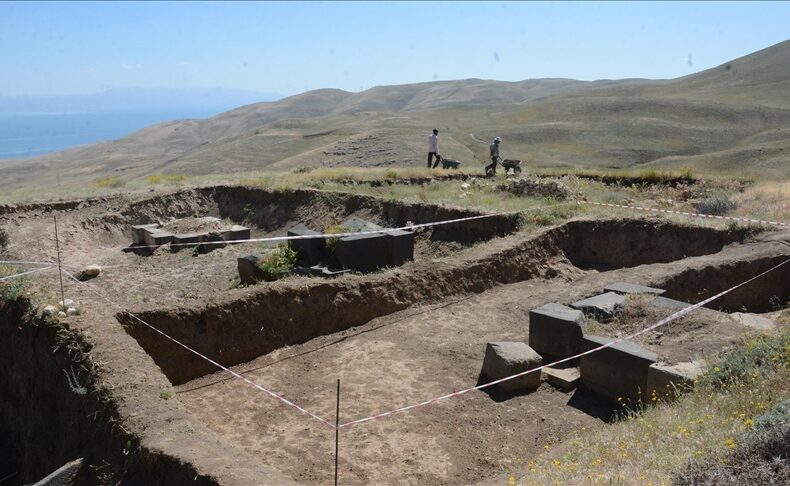
2,700-Year-Old Urartian Columns Unearthed at Kef Castle: A Discovery Shedding Light on Anatolian History
Archaeological excavations at Kef Castle, located in the Adilcevaz district of Bitlis province, have revealed a stunning discovery: 49 massive “elephant foot” columns, dating back nearly 2,700 years to the Urartian period. Perched on the slopes of Mount Süphan and overlooking the breathtaking Van Lake, Kef Castle was built by King Rusa II of the
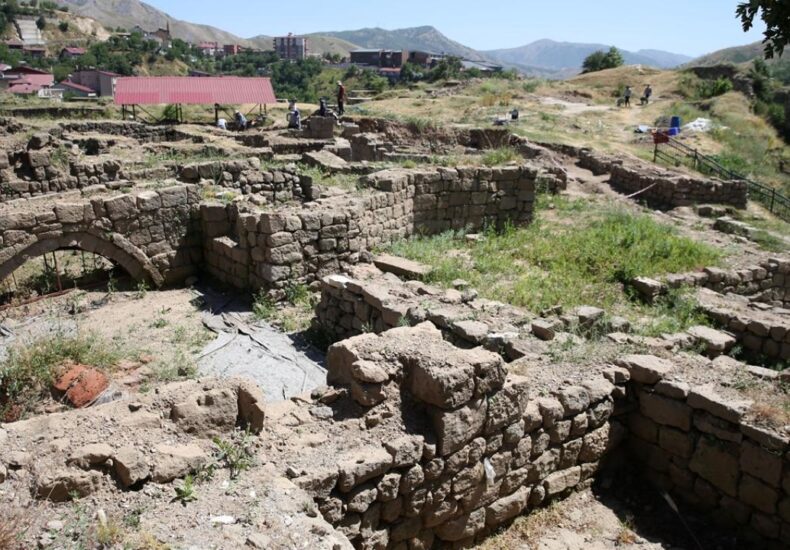
Archaeologists Discover Centuries-Old Prayer Tablet and Ottoman-Era Treasures in Eastern Türkiye
Archaeologists working at the historic Bitlis Castle in eastern Türkiye have unearthed a rare centuries-old prayer tablet along with Ottoman-era coins, ceramic fragments, an ancient water distribution system, and several graves. The discovery is shedding new light on the region’s diverse religious and cultural history. The excavation, authorized by the Turkish Ministry of Culture and
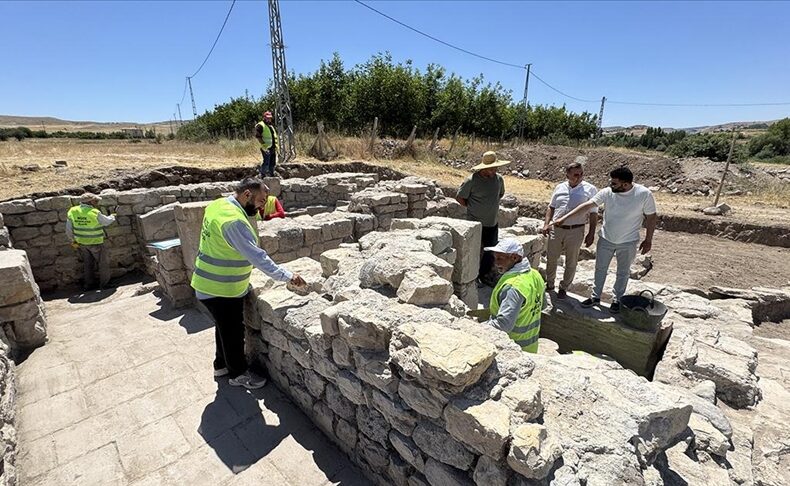
Ancient Roman Bathhouse Discovered Beneath Farmland in Eastern Anatolia
Archaeologists have uncovered a 1,700-year-old Ancient Roman bathhouse in a field in the village of Salkaya, located in Elazığ province in eastern Anatolia. The discovery, which was made possible through ground-penetrating radar (GPR) and systematic excavations, offers valuable insights into the region’s Roman past and is believed to have belonged to an elite social class
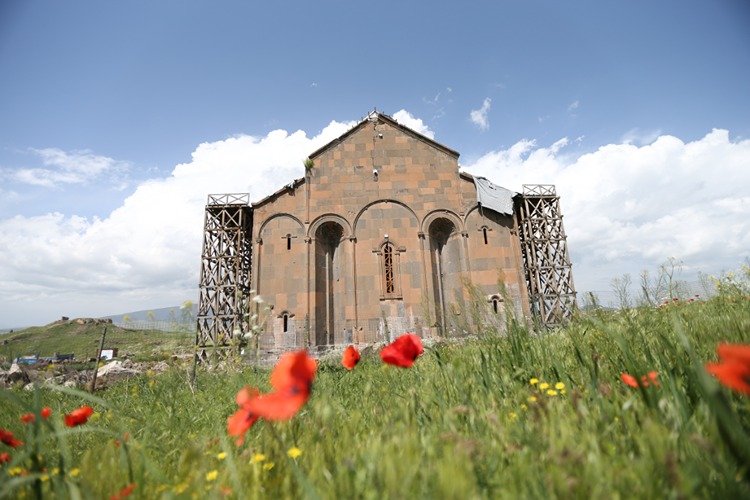
Historic Ani Cathedral Under Restoration: Reopening as a Mosque Under Consideration
One of Kars’ most significant cultural heritage sites, the Ani Cathedral (Surp Asdvadzadzin), is undergoing extensive restoration. Upon completion, authorities are considering opening the historic structure to visitors as a mosque. Located within the UNESCO World Heritage Site of Ani Archaeological Zone, the cathedral was built in the late 10th century during the rule of
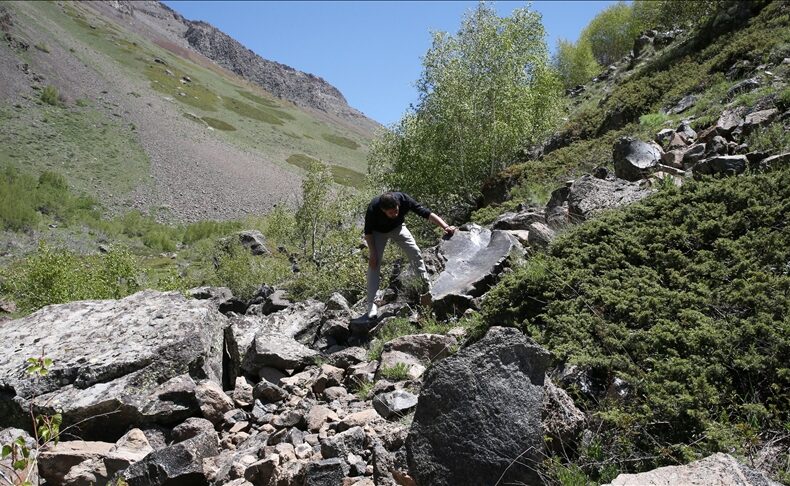
Tracing the Millennia-Long Journey of Obsidian from Bitlis to the Levant
A new archaeological project led by Bitlis Eren University (BEU) aims to uncover the ancient trade and cultural pathways that carried obsidian from the volcanic mountains of Bitlis, Türkiye, to the heart of the Middle East thousands of years ago. Obsidian, a naturally occurring volcanic glass, was a prized material in the Neolithic era, used
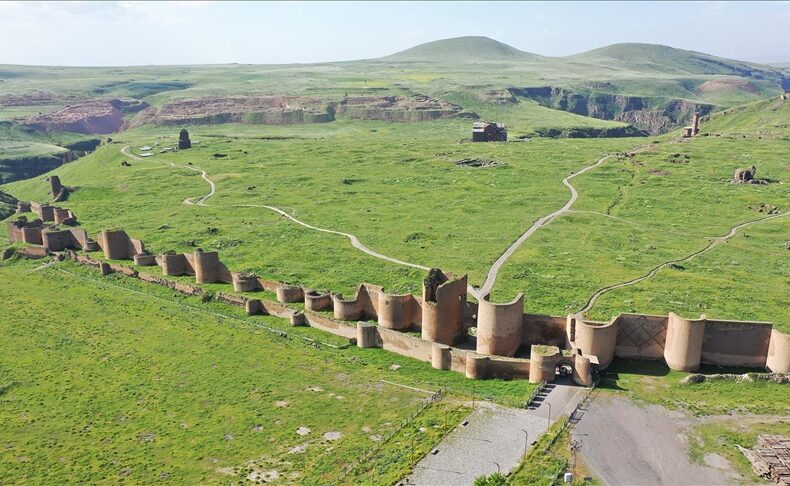
The 1,000-Year-Old Ani Walls Defy Time and History
Located in the Arpaçay Valley of Kars, Türkiye, the Ani Archaeological Site, a UNESCO World Heritage location, stands out not only with its multicultural heritage but also with its magnificent city walls, which have remained standing for over a millennium. Ani: The Cradle of Civilizations Throughout its long history, Ani was ruled by various civilizations