Central Anatolia’s Largest Mosaic Site Officially Declared an Archaeological Area in Kayseri
A major archaeological site in central Türkiye has gained official protection status after years of excavation revealed one of the region’s most extensive mosaic complexes.
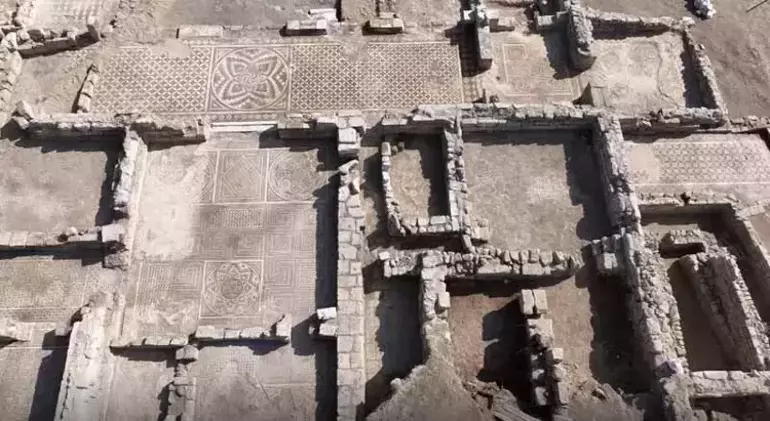
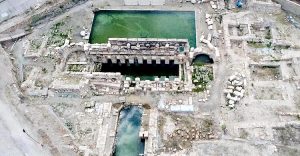
The mosaic structure uncovered in Örenşehir, İncesu (Kayseri)—described as the largest of its kind in Central Anatolia—has now been formally designated as an “archaeological site” (ören yeri), marking a significant step for both heritage preservation and cultural tourism.
A Discovery Growing Since 2021
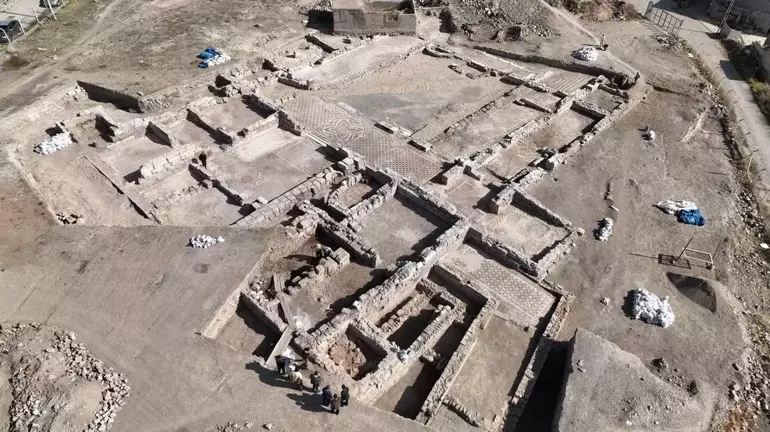
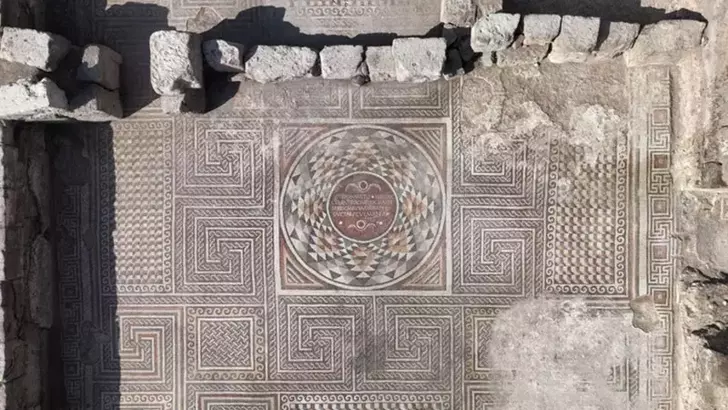
Excavations at the site began in 2021 and have steadily expanded in scope, gradually revealing a remarkably large mosaic-covered architectural complex. Archaeologists working in the area identified intricate floor compositions and structural remains that point to a high-status settlement phase, likely linked to the Roman or Late Antique period.
Over four years, the site has evolved from a local excavation into a discovery of regional importance—now officially recognized at the national level.
📣 Our WhatsApp channel is now LIVE! Stay up-to-date with the latest news and updates, just click here to follow us on WhatsApp and never miss a thing!!
Official Announcement Confirms Protected Status
Kayseri Metropolitan Municipality Mayor Memduh Büyükkılıç announced the development through a public statement, confirming that the mosaic complex has been granted protected status.
He emphasized that the designation not only secures the preservation of the site but also strengthens Kayseri’s position within Türkiye’s archaeological landscape. The announcement also acknowledged the role of the Ministry of Culture and Tourism, led by Mehmet Nuri Ersoy, in facilitating the process.
Why This Site Matters
The designation of the Örenşehir mosaic complex as an official archaeological site signals more than administrative recognition—it reflects the scale and rarity of the discovery.
Large mosaic complexes in Central Anatolia are relatively uncommon compared to coastal regions like the Mediterranean or Aegean. This makes the İncesu find particularly valuable for understanding urban life, architectural planning, and artistic traditions in inland Anatolia.
The site’s size suggests it may have belonged to a villa complex, public building, or elite residence, though further excavation and analysis will be required to clarify its function.
A New Cultural Asset for Kayseri
With its new status, the site is expected to undergo further conservation and possibly be prepared for public access and tourism integration.
Kayseri, already known for its proximity to major historical landscapes such as Cappadocia, may now gain an additional cultural attraction that connects visitors to the region’s Roman-era heritage.
The transformation from an active excavation zone into a recognized archaeological site represents a crucial transition—one that ensures long-term protection while opening the door to broader academic and public engagement.
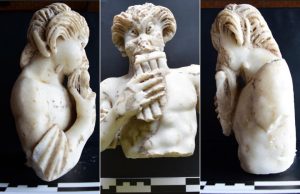
- A 1700-year-old statue of Pan unearthed during the excavations at Polyeuktos in İstanbul
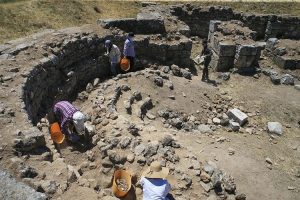
- The granary was found in the ancient city of Sebaste, founded by the first Roman emperor Augustus
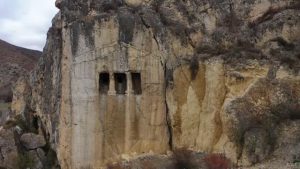
- Donalar Kale Kapı Rock Tomb or Donalar Rock Tomb
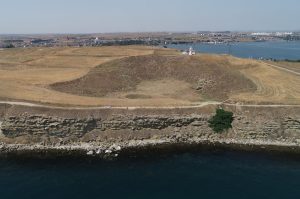
- Theater emerges as works continue in ancient city of Perinthos
- Urartian King Argishti’s bronze shield revealed the name of an unknown country
- The religious center of Lycia, the ancient city of Letoon
- Who were the Luwians?
- A new study brings a fresh perspective on the Anatolian origin of the Indo-European languages
- Perhaps the oldest thermal treatment center in the world, which has been in continuous use for 2000 years -Basilica Therma Roman Bath or King’s Daughter-
- The largest synagogue of the ancient world, located in the ancient city of Sardis, is being restored
Leave a Reply