

DNA from Çayönü Tepesi Reveals How Anatolia Shaped the World’s First Farming Societies
New genetic research conducted on human remains from Çayönü Tepesi is providing fresh evidence for Anatolia’s central position in the formation of early sedentary societies. The findings suggest that Neolithic communities in southeastern Anatolia were part of a wide interaction sphere linking the Near East, the Caucasus, and inner Anatolia.
Scientific Analysis of Human Remains
Human skeletal material recovered during long-term excavations at Çayönü Tepesi is currently under detailed examination at Hacettepe University. According to excavation director Doç. Dr. Savaş Sarıaltun, DNA analyses are enabling researchers to reconstruct biological relationships that cannot be detected through material culture alone.
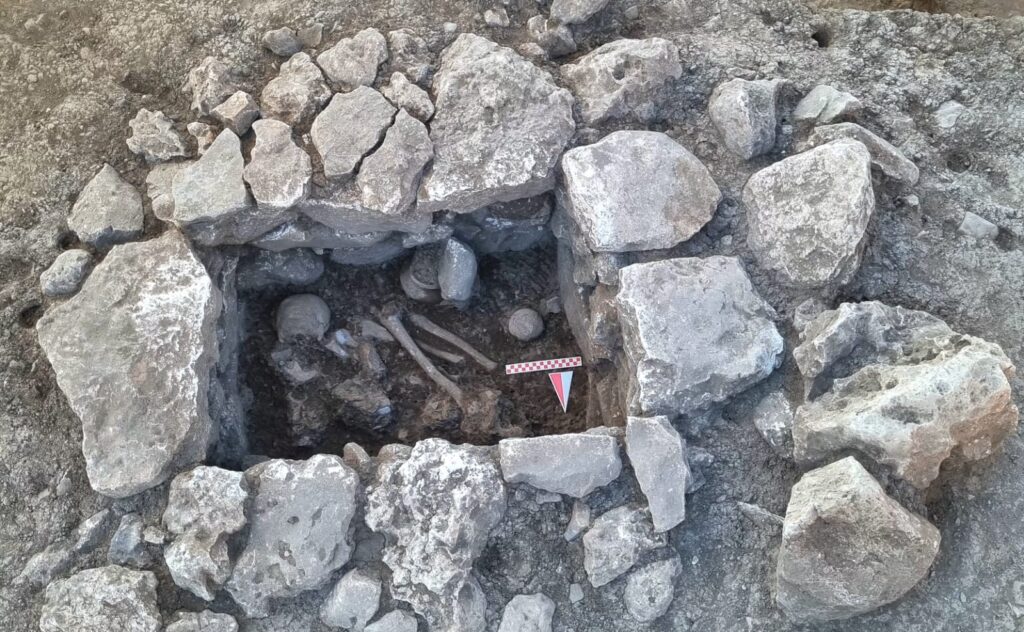
Initial data indicates that the Çayönü population maintained sustained genetic connections beyond its immediate environment, reflecting patterns of interaction rather than isolation during the Neolithic and early Bronze Age periods.
Evidence for a Heterogeneous Population
Anthropological research led by Prof. Dr. Ömür Dilek Erdal has so far examined approximately 255 individuals from the site. The results point to a genetically diverse community structure, suggesting long-term population movement and interaction across regions.
📣 Our WhatsApp channel is now LIVE! Stay up-to-date with the latest news and updates, just click here to follow us on WhatsApp and never miss a thing!!
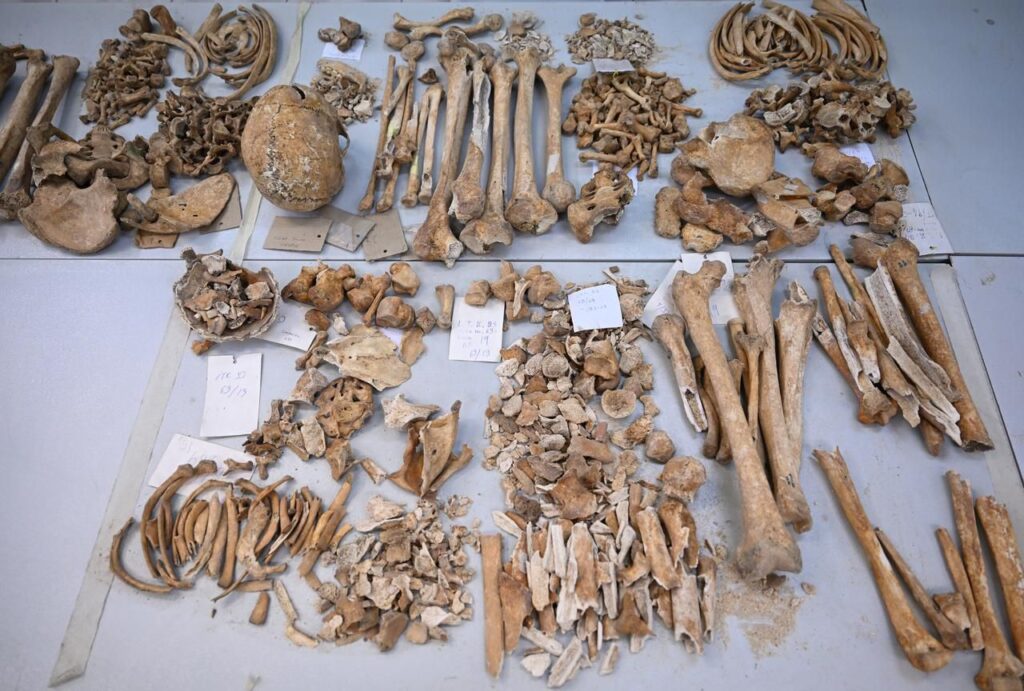
This diversity aligns with archaeological evidence from the settlement itself, where architectural change, technological innovation, and subsistence strategies reflect continuous adaptation rather than cultural stasis.
Çayönü Tepesi in the Context of Anatolian Prehistory
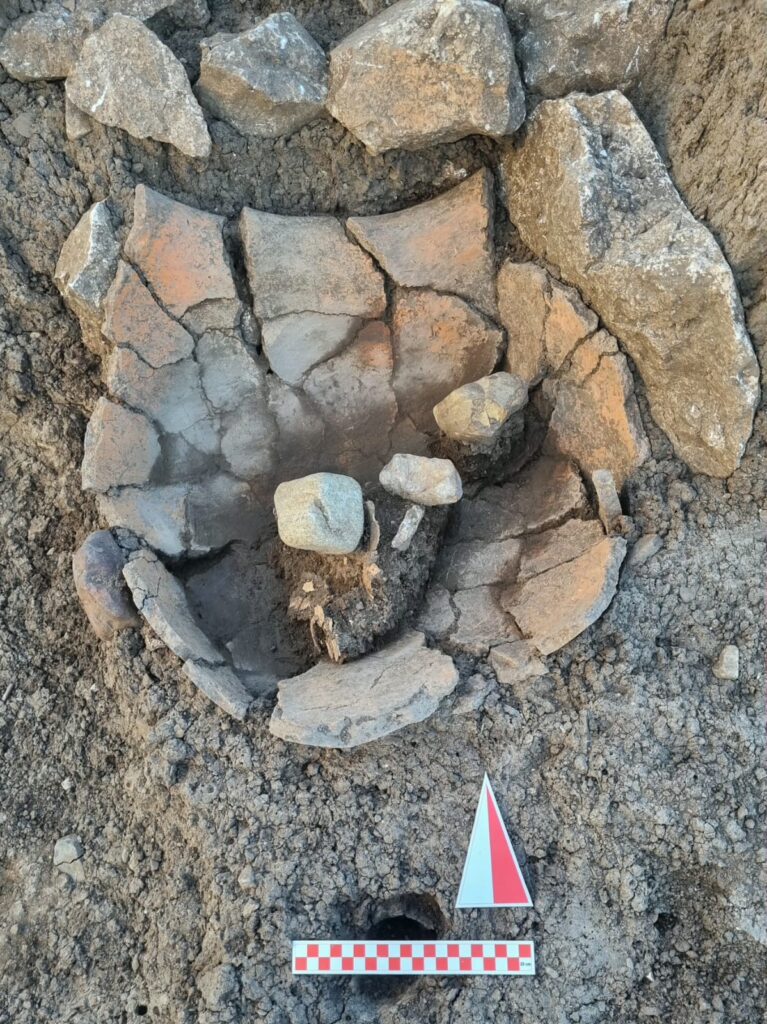
Situated near modern Ergani, Çayönü Tepesi is widely recognized as one of the key reference sites for understanding the Neolithic transition in Anatolia. The settlement documents critical developments such as the adoption of agriculture, early animal domestication, and the emergence of planned architectural systems.
Distinct building phases, including grid-planned structures and communal spaces, underline Çayönü’s importance for tracing the social and economic foundations of early village life in Anatolia.
Future Publication of Results
The research team plans to publish the full genetic and anthropological results between 2026 and 2027. These studies are expected to contribute significantly to broader discussions on population history and cultural interaction during the Neolithic period.
Rather than offering a singular narrative, the Çayönü data reinforces Anatolia’s role as a long-term zone of interaction—one that shaped early human societies through continuity, contact, and adaptation.
- A 1700-year-old statue of Pan unearthed during the excavations at Polyeuktos in İstanbul
- The granary was found in the ancient city of Sebaste, founded by the first Roman emperor Augustus
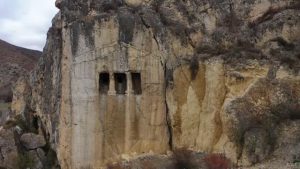
- Donalar Kale Kapı Rock Tomb or Donalar Rock Tomb
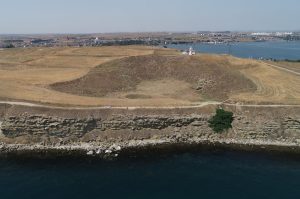
- Theater emerges as works continue in ancient city of Perinthos
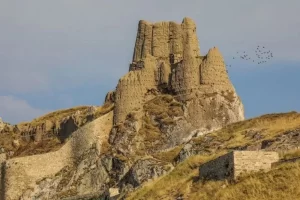
- Urartian King Argishti’s bronze shield revealed the name of an unknown country
- The religious center of Lycia, the ancient city of Letoon
- Who were the Luwians?

- A new study brings a fresh perspective on the Anatolian origin of the Indo-European languages

- Perhaps the oldest thermal treatment center in the world, which has been in continuous use for 2000 years -Basilica Therma Roman Bath or King’s Daughter-
- The largest synagogue of the ancient world, located in the ancient city of Sardis, is being restored
Leave a Reply