Göbeklitepe and Taş Tepeler Exhibition Opened in Berlin
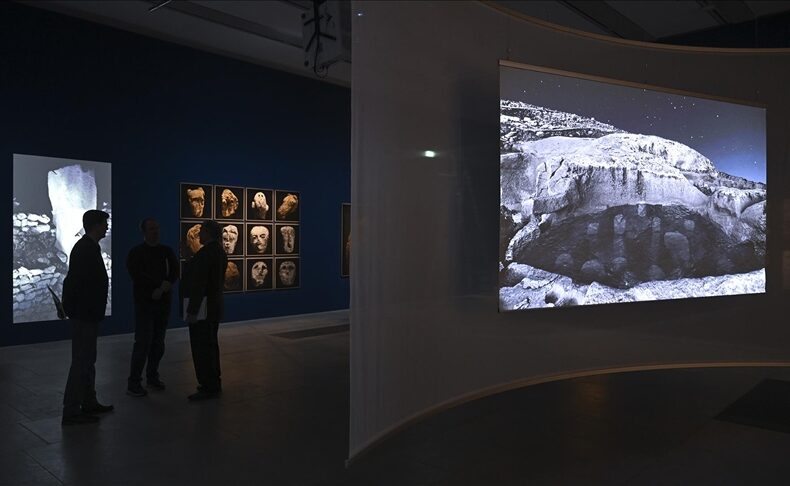
An exhibition dedicated to Göbeklitepe, the UNESCO World Heritage site widely described as the world’s oldest monumental sanctuary, opened today in Berlin. Focusing on Göbeklitepe and the broader Taş Tepeler region, the exhibition brings nearly 100 original artifacts from Türkiye to Germany, where they are being displayed to the public for the first time.
Titled “The Discovery of Society: Göbeklitepe, Taş Tepeler and Life 12,000 Years Ago,” the exhibition is hosted by the Vorderasiatisches Museum (Museum of the Ancient Near East) on Berlin’s Museum Island and will run until July 19, 2026.
Beyond a Single Site
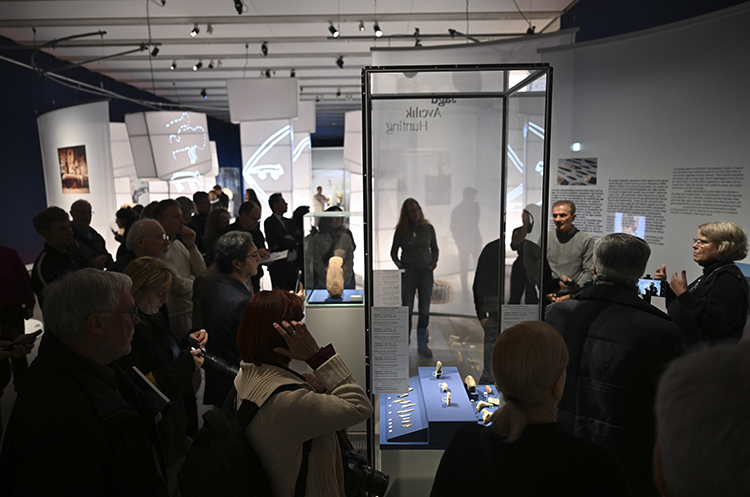
The exhibition frames Göbeklitepe not as an isolated wonder, but as part of a broader Neolithic landscape.
Professor Necmi Karul, Coordinator of the Taş Tepeler Research Project, highlights two foundations behind the Berlin exhibition: over a century of archaeological collaboration between Turkish and German scholars, and the Taş Tepeler Project launched in 2021.
📣 Our WhatsApp channel is now LIVE! Stay up-to-date with the latest news and updates, just click here to follow us on WhatsApp and never miss a thing!!
“We realized Göbeklitepe is not alone. What we know about it is only part of a much larger picture.”
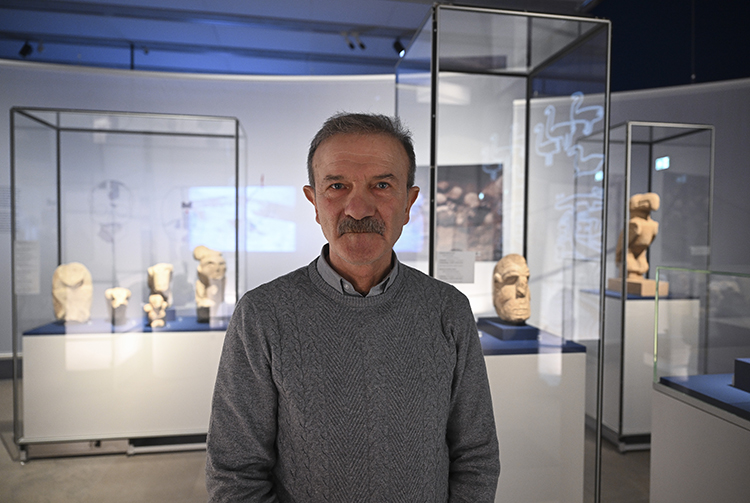
Excavations across roughly ten sites in the Şanlıurfa region are currently conducted through cooperation among 36 academic institutions, spanning from China to Germany. According to Karul, the project has reshaped scholarly perspectives on the origins of settled life and early food production.
Eight Themes, One Transformative Era
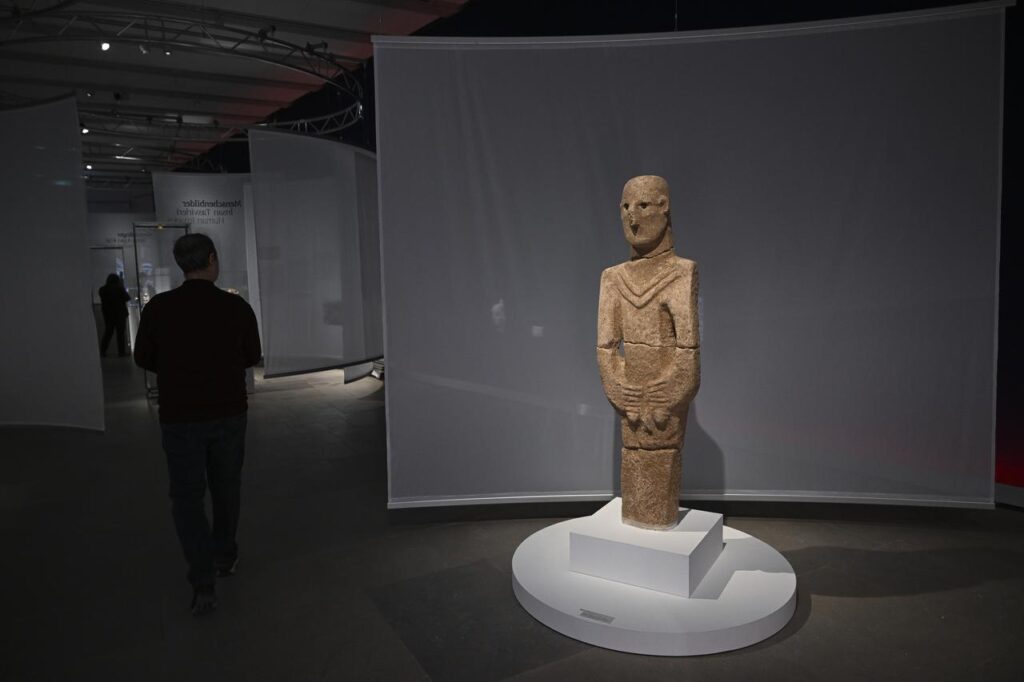
The exhibition is structured around eight thematic sections exploring early settled communities: artistic expression, daily routines, ritual life, and concepts of death.
Original artifacts from Taş Tepeler are displayed alongside previously replicated materials already held in Germany, creating a layered narrative of one of humanity’s most transformative periods.
Barbara Helwing, Director of the Museum of the Ancient Near East in Berlin, emphasized the exhibition’s personal dimension. As a student, she participated in the 1988–1989 excavations at Nevali Çori under Harald Hauptmann and Klaus Schmidt.
“Through these objects and images, we can directly and powerfully convey the life world of these communities. It evokes a feeling comparable to the impact of Paleolithic cave art in Europe and Indonesia.”
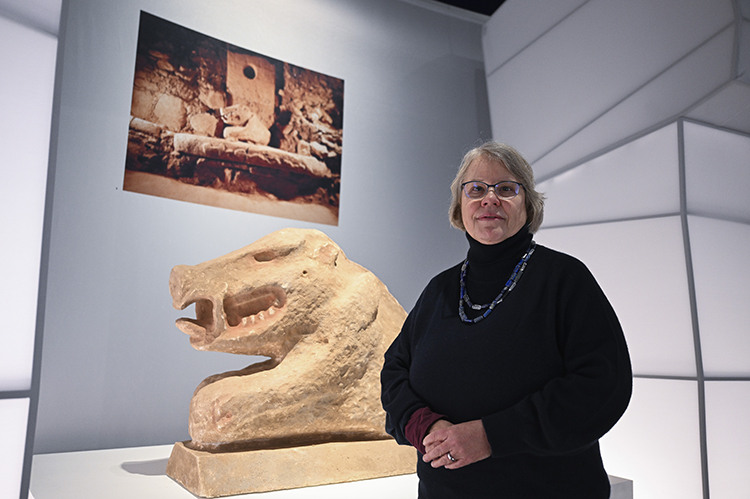
Helwing also noted that nearly 30 sites similar to Göbeklitepe have been identified in the region, reinforcing its significance rather than diminishing it.
A Cultural Bridge
The exhibition was officially inaugurated by Türkiye’s Minister of Culture and Tourism Mehmet Nuri Ersoy and Germany’s Minister of Culture Wolfram Weimer.
Karul described the exhibition as more than an academic event:
“For people of Turkish heritage living here, seeing these works in Berlin feels like a gift.”
Göbeklitepe previously drew more than six million visitors in Rome’s Colosseum exhibition. Berlin now continues that international journey.
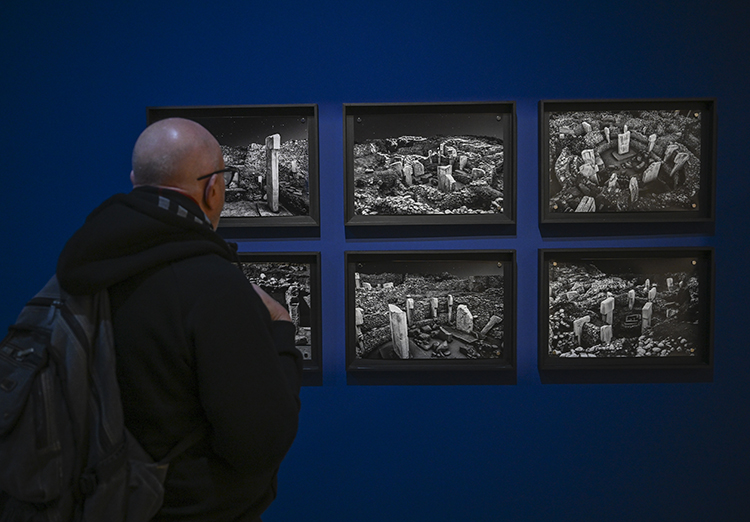
Photographs by Spanish artist Isabel Muñoz, taken at Göbeklitepe, complement the archaeological narrative and deepen the exhibition’s visual impact.
Twelve thousand years ago, communities gathered around stone pillars.
Today, their story gathers visitors in Berlin.
- A 1700-year-old statue of Pan unearthed during the excavations at Polyeuktos in İstanbul
- The granary was found in the ancient city of Sebaste, founded by the first Roman emperor Augustus
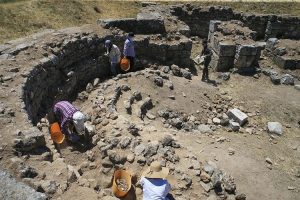
- Donalar Kale Kapı Rock Tomb or Donalar Rock Tomb
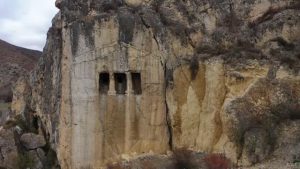
- Theater emerges as works continue in ancient city of Perinthos
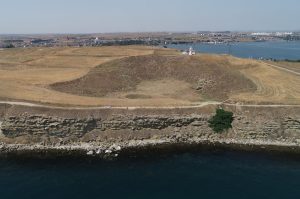
- Urartian King Argishti’s bronze shield revealed the name of an unknown country
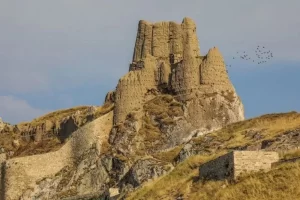
- The religious center of Lycia, the ancient city of Letoon
- Who were the Luwians?
- A new study brings a fresh perspective on the Anatolian origin of the Indo-European languages

- Perhaps the oldest thermal treatment center in the world, which has been in continuous use for 2000 years -Basilica Therma Roman Bath or King’s Daughter-
- The largest synagogue of the ancient world, located in the ancient city of Sardis, is being restored
Leave a Reply