
Harbetsuvan Tepesi Reveals Organized Neolithic Settlement 10,000 Years Ago
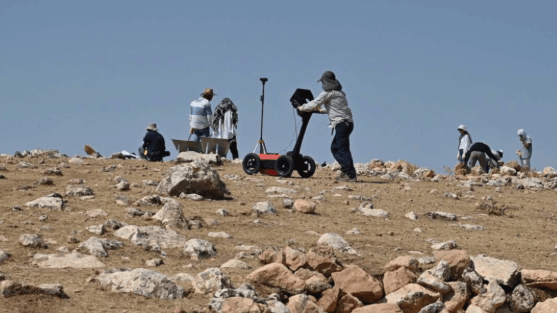
Harbetsuvan Tepesi, in southeastern Türkiye, doesn’t look like much at first. Low rises, scattered stones—nothing that immediately signals a breakthrough. But beneath that quiet surface, new research is pointing to something far more revealing: even small Neolithic communities were already living in structured, carefully organized settlements nearly 10,000 years ago.
A Dense Settlement, Not a Random Cluster
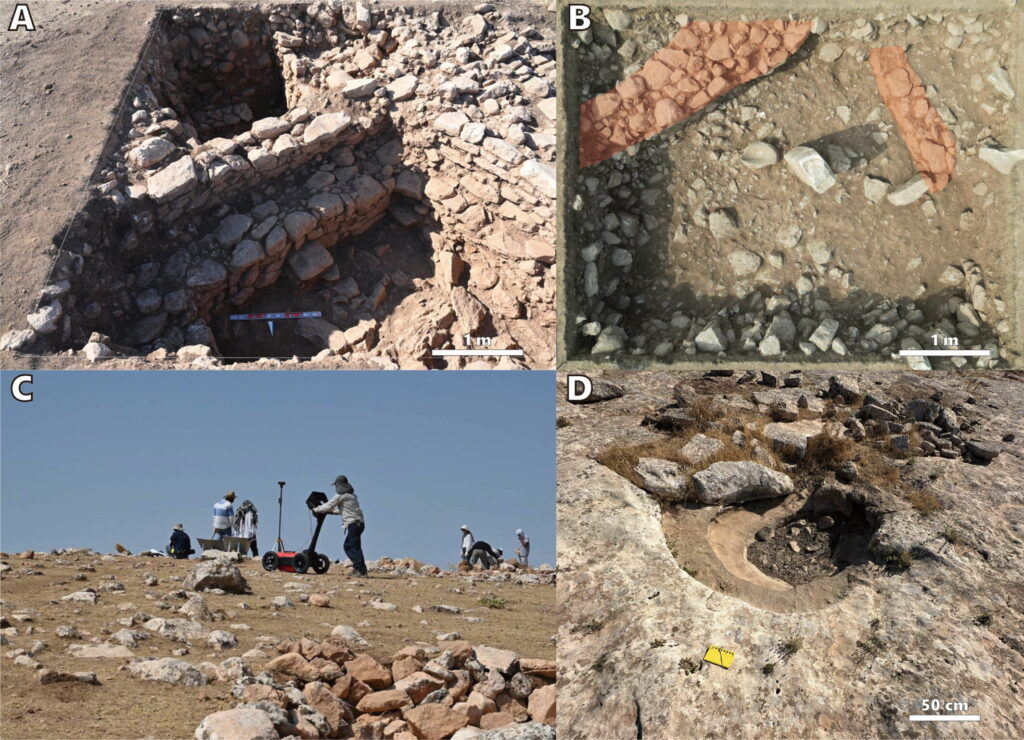
The study focuses on a Pre-Pottery Neolithic B (PPNB) settlement mapped using non-invasive geophysical methods. Instead of digging wide trenches, researchers scanned the ground and reconstructed the layout of the site.
What emerged is striking.
The mound covers roughly 5,900 square meters, yet the actual living area seems to have been concentrated within about 2,500 square meters. Inside that space, at least 51 rectangular rooms appear, tightly packed and closely connected. This is not a loose scatter of huts. It is a dense, structured settlement.
📣 Our WhatsApp channel is now LIVE! Stay up-to-date with the latest news and updates, just click here to follow us on WhatsApp and never miss a thing!!
There is a clear sense that space was being managed, not improvised.
No Monumentality, Just Everyday Life
Unlike some nearby Neolithic sites, Harbetsuvan Tepesi offers no sign of large communal buildings or monumental architecture. There are no broad open plazas either. Everything points in the opposite direction.
The rooms are similar in size and closely arranged, forming a compact layout that seems built around daily routines rather than public gatherings. This was not a ritual center. It was a place where people lived, worked, and moved within a tightly organized environment.
That distinction matters.
Living in the Shadow of Göbeklitepe
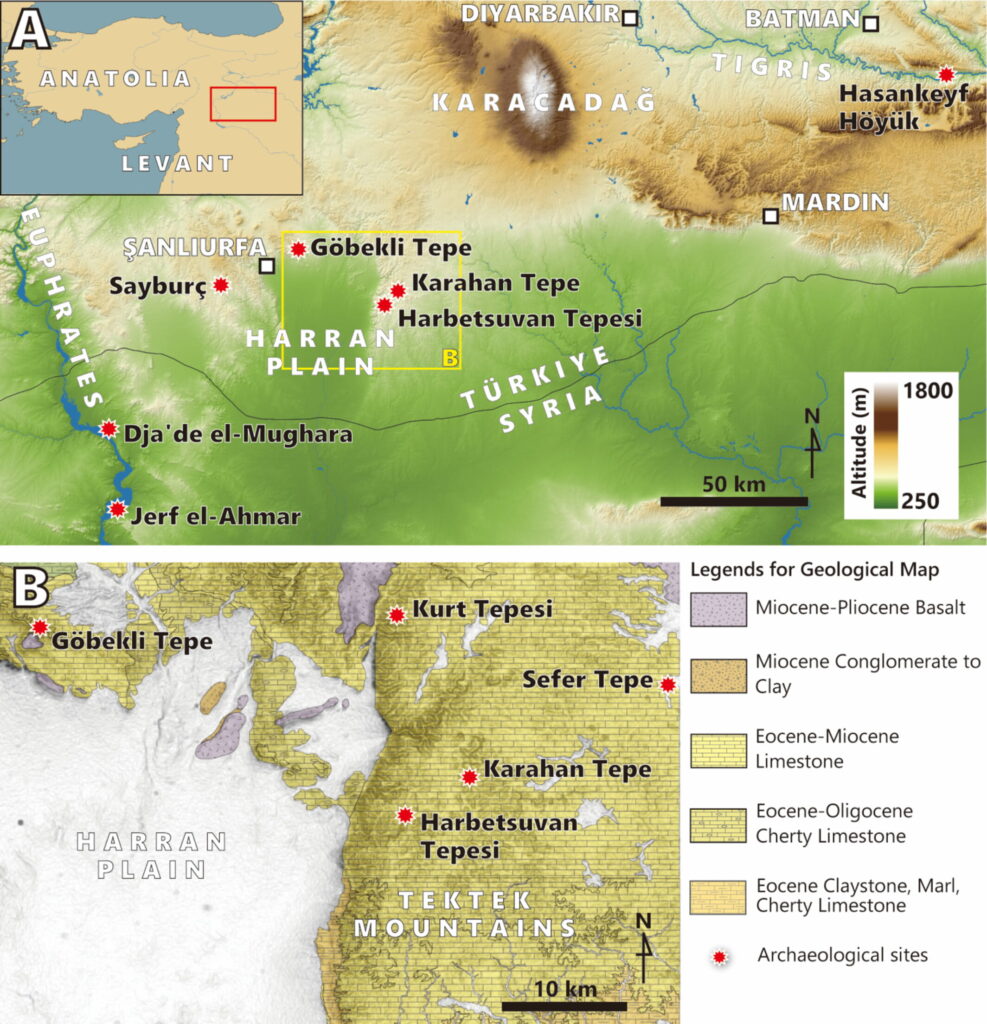
Geographically, Harbetsuvan Tepesi sits within one of the most important Neolithic zones in the world. Göbeklitepe lies about 35 kilometers away, while Karahantepe is even closer.
Those sites are known for their monumental structures and symbolic architecture. Harbetsuvan Tepesi tells a different story. It shows what everyday life may have looked like in the same cultural landscape.
Taken together, the contrast is hard to ignore. Monumental sites may have drawn people together for specific purposes, but settlements like Harbetsuvan Tepesi reveal how those same communities actually lived.
Signs of Shared Planning
The arrangement of buildings suggests more than practical construction. There is consistency in how structures are placed and how space is used. It feels intentional.
Even without written records, the layout hints at shared decisions. People were not building randomly. They were following patterns—whether for movement, visibility, or social interaction within the settlement.
This kind of organization implies cooperation, and possibly rules that shaped how the settlement expanded over time.
A Quiet but Important Shift
Harbetsuvan Tepesi is not dramatic in the way some archaeological discoveries are. There are no towering pillars or elaborate carvings. What it offers is quieter, but just as important.
It suggests that structured settlement planning did not suddenly appear in large, complex communities. It may have been there from the beginning, even in smaller groups.
Early village life, it seems, was not as simple as we once thought.
Tada, T., Moriwaki, R., Shimogama, K., Suzuki, K., Satake, W., Küçükarslan, N., Uludağ, C., & Nishiaki, Y. (2026).
The Layout and Size of an Early Pre-Pottery Neolithic B Small Settlement Revealed by Geophysical Prospection at Harbetsuvan Tepesi in Southeastern Anatolia.
First published: 20 February 2026
DOI: https://doi.org/10.1002/arp.70037
- A 1700-year-old statue of Pan unearthed during the excavations at Polyeuktos in İstanbul
- The granary was found in the ancient city of Sebaste, founded by the first Roman emperor Augustus
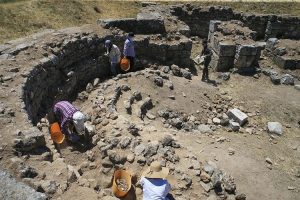
- Donalar Kale Kapı Rock Tomb or Donalar Rock Tomb
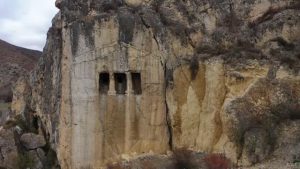
- Theater emerges as works continue in ancient city of Perinthos
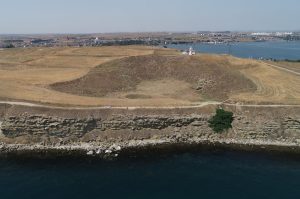
- Urartian King Argishti’s bronze shield revealed the name of an unknown country
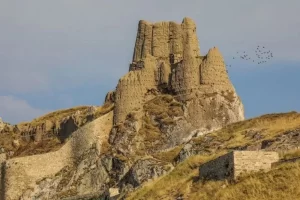
- The religious center of Lycia, the ancient city of Letoon
- Who were the Luwians?

- A new study brings a fresh perspective on the Anatolian origin of the Indo-European languages

- Perhaps the oldest thermal treatment center in the world, which has been in continuous use for 2000 years -Basilica Therma Roman Bath or King’s Daughter-
- The largest synagogue of the ancient world, located in the ancient city of Sardis, is being restored
Leave a Reply