
Konya’s “Dümdüm Rock”: A Phrygian Tomb That Echoes Across Time
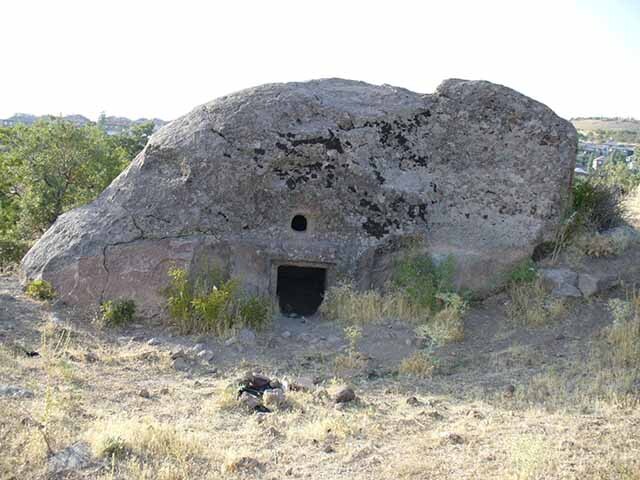
In the rural landscape of central Anatolia, a solitary rock formation near İncesu village in Seydişehir, Konya Province, carries both an archaeological legacy and a local legend. Known as “Dümdüm Rock,” the site preserves a rock-cut tomb attributed to the Phrygian period—an era that shaped much of Anatolia’s early Iron Age cultural identity.
What sets this tomb apart is not monumental scale or elaborate ornamentation, but sound. When struck, the rock produces a deep, resonant “dum dum” echo—an acoustic feature that has given the site its popular name and fueled generations of folklore.
A Phrygian Monument Carved in Stone
The tomb was created by hollowing out a massive rock outcrop. Archaeological observations indicate that it is aligned along a northwest–southeast axis, with its entrance opening toward the southeast. Such orientation is consistent with broader Phrygian funerary architecture, in which directional planning often carried symbolic or ritual significance.
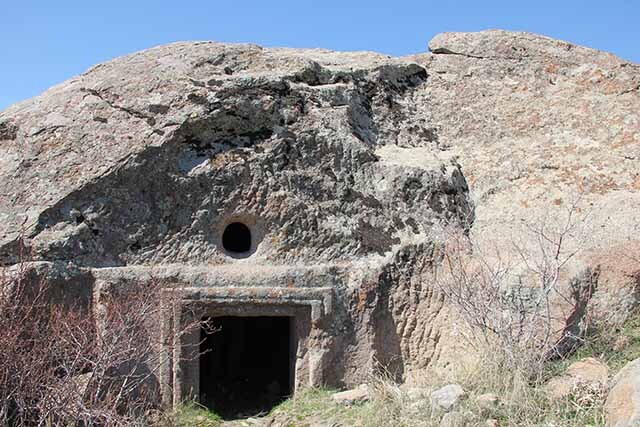
Unlike the more elaborate façade tombs known from western Anatolia, Dümdüm Rock is relatively austere. Its exterior lacks decorative reliefs. However, the presence of a carefully carved libation bowl on the surface suggests ritual activity associated with burial practices. In Phrygian belief systems, funerary rites and offerings to the deceased were deeply intertwined, and libation features like this one point to ongoing commemorative ceremonies rather than a single burial event.
📣 Our WhatsApp channel is now LIVE! Stay up-to-date with the latest news and updates, just click here to follow us on WhatsApp and never miss a thing!!
The Phrygians, who flourished in Anatolia between the 8th and 6th centuries BCE, are best known internationally for monumental tombs such as the so-called “Midas Mound” at Gordion. Yet smaller, regionally distributed rock-cut tombs like this one provide critical insight into local expressions of elite burial traditions.
The Mystery of the Echo
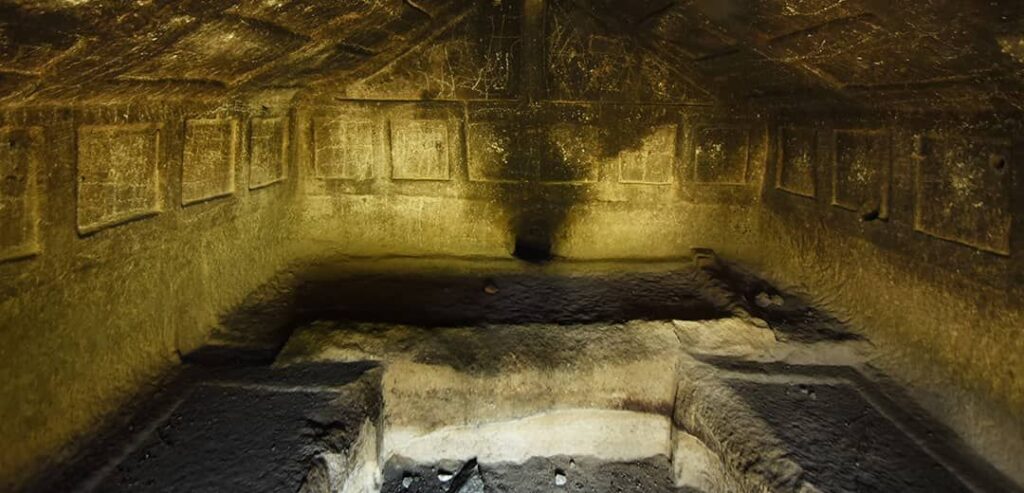
The distinctive “dum dum” sound heard when the rock is struck is likely the result of internal cavity resonance. Rock-cut chambers can create natural acoustic amplification, especially when carved within dense limestone formations. While there is no evidence that the tomb was designed specifically for acoustic performance, the phenomenon has contributed to its cultural identity.
For local communities, the echo transformed a funerary monument into a living landmark—part archaeological site, part oral tradition.
Survival Despite Looting
Like many ancient structures in Anatolia, the tomb has suffered damage from illicit digging over the decades. Treasure hunting has left visible scars. Nevertheless, the main structural integrity of the chamber remains largely intact. The durability of the carved rock mass has allowed the monument to withstand both environmental erosion and human interference.
Its survival underscores the resilience of Anatolia’s archaeological heritage—much of which still lies undocumented or insufficiently studied.
Possible Link to Ancient Vasada
Although there is no immediate evidence of a nearby settlement at the tomb’s exact location, scholars have suggested a possible connection to Vasada ancient city, situated approximately five kilometers away as the crow flies. Vasada is primarily known as a Roman and early Byzantine settlement, but the broader region likely hosted earlier communities whose material traces remain fragmentary.
The density of ancient remains in the Seydişehir area suggests long-term occupation across multiple cultural phases, from the Phrygian era through classical antiquity and beyond.
Cover Image Credit: Seydişehir Gündem
- A 1700-year-old statue of Pan unearthed during the excavations at Polyeuktos in İstanbul
- The granary was found in the ancient city of Sebaste, founded by the first Roman emperor Augustus
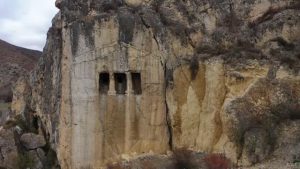
- Donalar Kale Kapı Rock Tomb or Donalar Rock Tomb
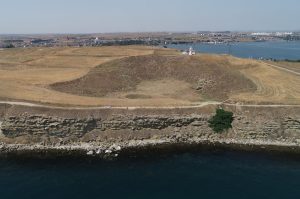
- Theater emerges as works continue in ancient city of Perinthos
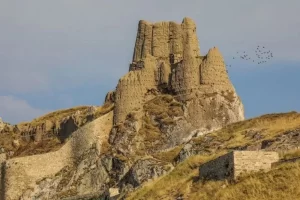
- Urartian King Argishti’s bronze shield revealed the name of an unknown country
- The religious center of Lycia, the ancient city of Letoon
- Who were the Luwians?

- A new study brings a fresh perspective on the Anatolian origin of the Indo-European languages

- Perhaps the oldest thermal treatment center in the world, which has been in continuous use for 2000 years -Basilica Therma Roman Bath or King’s Daughter-
- The largest synagogue of the ancient world, located in the ancient city of Sardis, is being restored
Leave a Reply