
New Research Pushes Human Presence in Anatolia Back Nearly One Million Years
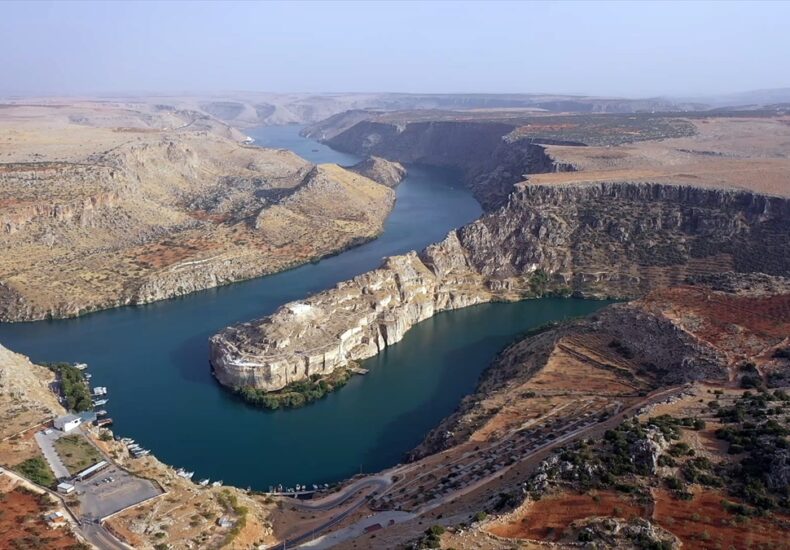
Archaeological fieldwork in southeastern Türkiye is reshaping the deep prehistory of Anatolia. New evidence from Gaziantep suggests the region was not merely a corridor for early humans during the Ice Age—but a long-term habitat stretching back close to one million years.
A Key Region in Anatolia’s Ice Age Landscape
The research is being carried out by scholars from Gaziantep University as part of the Gaziantep Province Pleistocene (Ice Age) Survey Project, launched in 2023. Systematic surface surveys have already been completed in Yavuzeli, Araban, Şehitkamil, eastern Nurdağı, and selected areas of İslahiye. Future phases will expand into Nizip, Oğuzeli, and Şahinbey.
The project focuses on identifying early human settlement zones and migration patterns during the Pleistocene, a period spanning from roughly 3 million to 10,000 years ago.
“This Was Not Just a Passageway”
According to project researcher İsmail Baykara, Gaziantep occupies a uniquely strategic position in Ice Age studies within Türkiye.
📣 Our WhatsApp channel is now LIVE! Stay up-to-date with the latest news and updates, just click here to follow us on WhatsApp and never miss a thing!!
“Gaziantep is not simply a transit route,” Baykara explains.
“During the Pleistocene, it offered raw materials, water resources, and favorable environmental conditions all in one place. These factors made long-term human occupation possible.”
Over the past three years, the team has documented finds from multiple prehistoric phases, fundamentally altering how the region’s early history is understood.
Credit: AA
Caves and Open-Air Sites Redefine Early Human Activity
Among the most significant discoveries are rock shelters, caves, and open-air settlement areas. These sites provide fresh data for reassessing patterns of mobility and daily life among early human communities across Anatolia.
Baykara notes that several of the identified caves have the potential to reshape the established Pleistocene chronology of Anatolia, offering rare insight into human behavior before the emergence of settled Neolithic societies.
Stone Tools Trace a Million-Year History
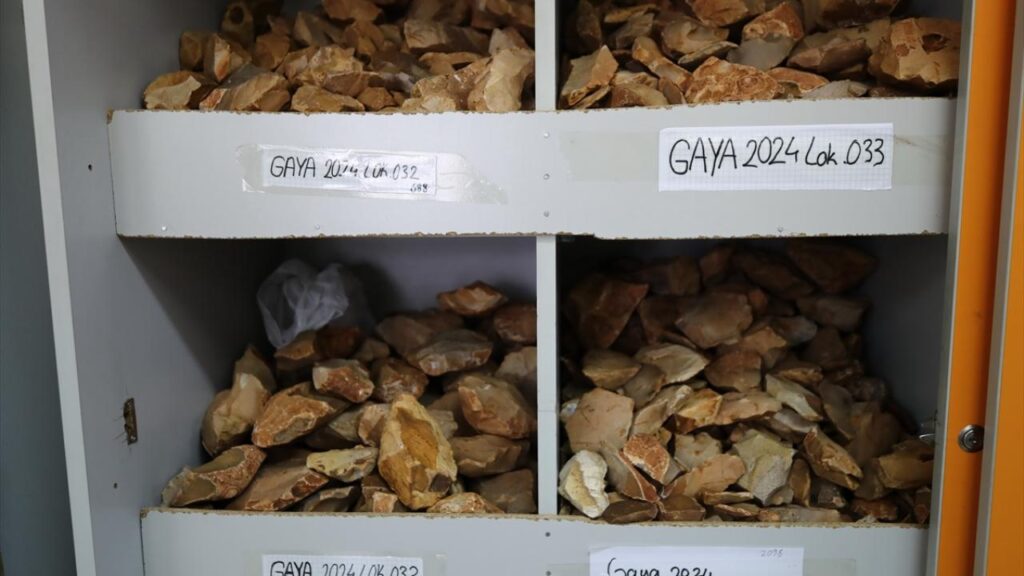
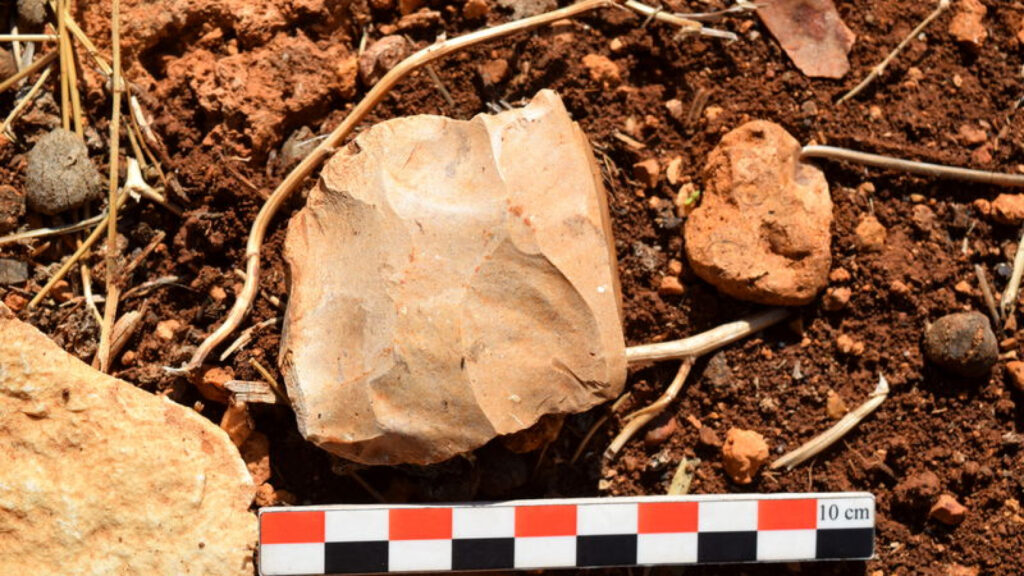
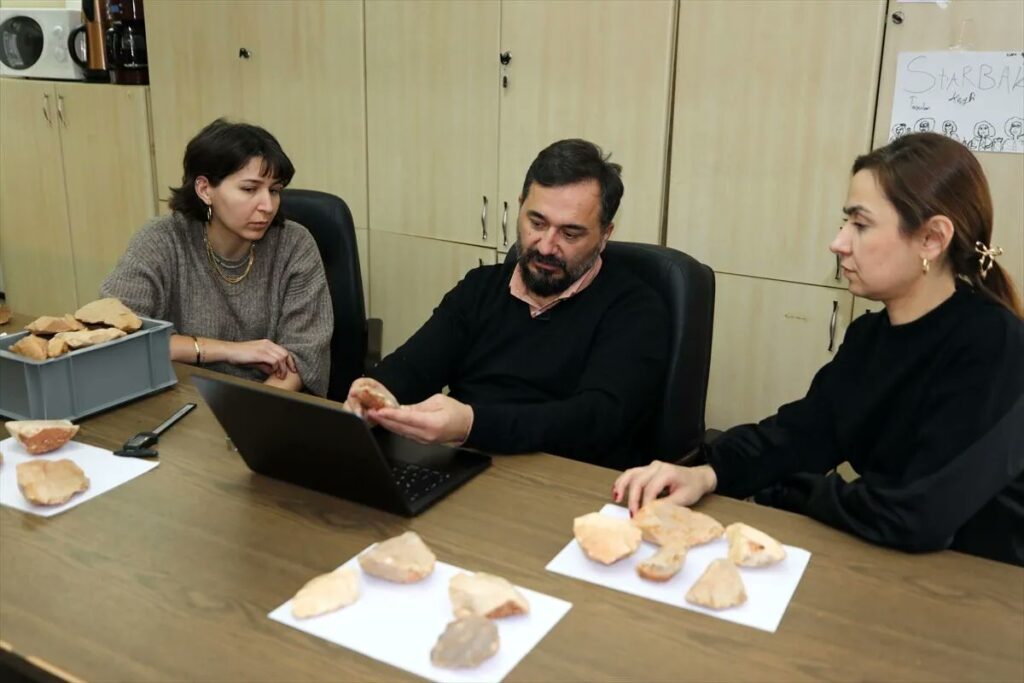
Detailed analyses of chipped stone tools recovered during the surveys reveal diverse production techniques and technological traditions. According to the research team, these assemblages indicate that human activity in the Gaziantep region can be traced back nearly one million years.
This pushes the area’s known history far beyond later prehistoric and Bronze Age cultures, placing Gaziantep firmly within the earliest chapters of human presence in Anatolia.
A New Chapter in Anatolia’s Deep Past
The ongoing project demonstrates that Gaziantep was not marginal during the Ice Age. Instead, it appears to have been a stable and resource-rich landscape, repeatedly inhabited by human groups over vast stretches of time.
As surveys continue into new districts, researchers expect further discoveries that may refine—or even rewrite—the broader narrative of early human settlement in Anatolia.
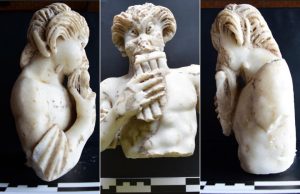
- A 1700-year-old statue of Pan unearthed during the excavations at Polyeuktos in İstanbul
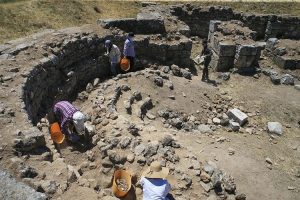
- The granary was found in the ancient city of Sebaste, founded by the first Roman emperor Augustus
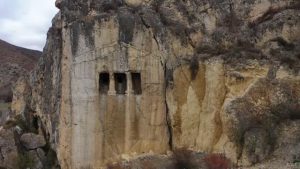
- Donalar Kale Kapı Rock Tomb or Donalar Rock Tomb
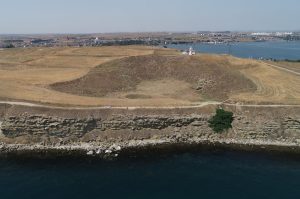
- Theater emerges as works continue in ancient city of Perinthos
- Urartian King Argishti’s bronze shield revealed the name of an unknown country
- The religious center of Lycia, the ancient city of Letoon
- Who were the Luwians?

- A new study brings a fresh perspective on the Anatolian origin of the Indo-European languages

- Perhaps the oldest thermal treatment center in the world, which has been in continuous use for 2000 years -Basilica Therma Roman Bath or King’s Daughter-
- The largest synagogue of the ancient world, located in the ancient city of Sardis, is being restored
Leave a Reply