Monday, December 15 2025
Temple of Zeus Lepsynos

Aegean . Anatolian News

Restoration of the Temple of Zeus Lepsynos at Euromos Enters Its Final Phase

Written by

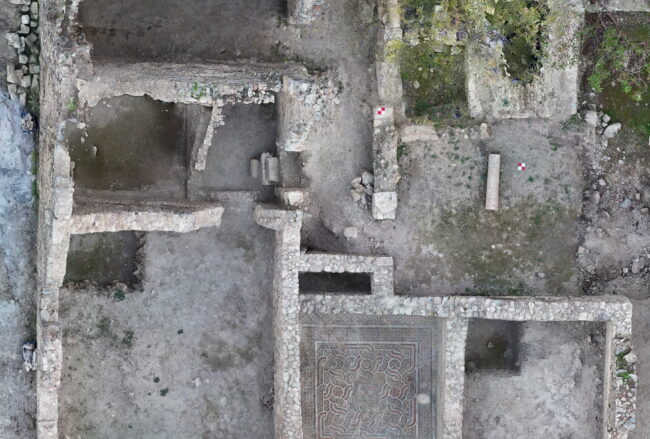
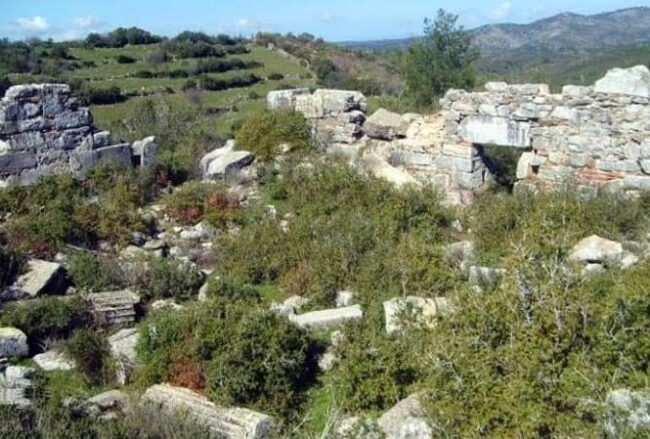
On a quiet hillside near Milas in southwestern Türkiye, one of Anatolia’s best-preserved Roman temples is undergoing a transformation that will reshape how the ancient city of Euromos is experienced. Restoration work at the Temple of Zeus Lepsynos, led by the Turkish Ministry of Culture and Tourism, is now advancing toward completion, with the project

Restoration of the Asar Bridge from the Roman Era Completed

Restoration of the Asar Bridge from the Roman Era Completed

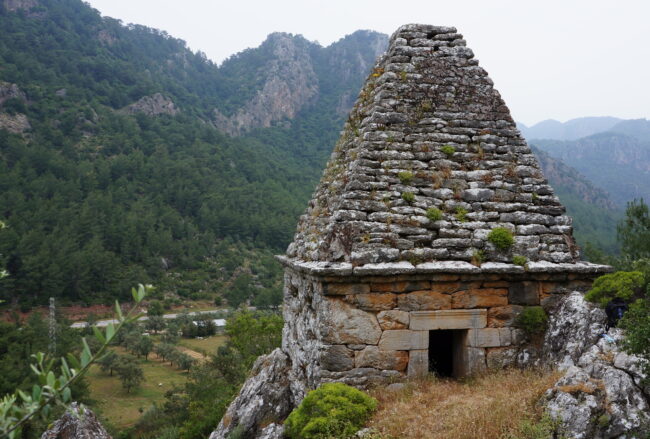
The Asar Bridge, an extraordinary remnant from the Roman era, has recently undergone a significant restoration. This project aimed to preserve the architectural integrity of the bridge while ensuring its safety for future generations. Located in the Çal district of Denizli, the Asar Bridge has faced the threat of deterioration for years due to treasure

4,000-Year-Old Harput Relief Discovered by Chance Sheds Light on History

4,000-Year-Old Harput Relief Discovered by Chance Sheds Light on History

Approximately nine years ago, a 4,000-year-old Harput relief was discovered by chance and is now on display at the Elazığ City Museum. This remarkable artifact provides valuable insights into ancient history. Discovery of the Harput Relief In 2016, during terracing work in the Nevruz forest area, located about 200-250 meters east of Harput Castle, the

The rare painted "Artemis" bust is exhibited at the Bolu Museum

The rare painted “Artemis” bust is exhibited at the Bolu Museum

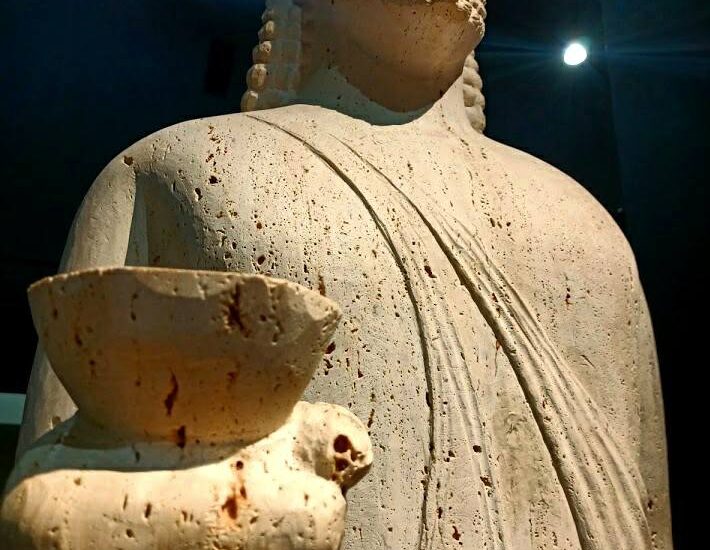
The rare painted “Artemis” bust, discovered during a construction excavation in the 1970s, is currently on display at the Bolu Museum. This approximately 2,000-year-old artifact is notable for having retained its original colors. The Bolu Chamber of Commerce and Industry aims to increase the bust’s visibility through a 3D modeling project. A Valuable Artifact for

In Türkiye, stones belonging to a military strategy game played by Roman soldiers have been found

In Türkiye, stones belonging to a military strategy game played by Roman soldiers have been found

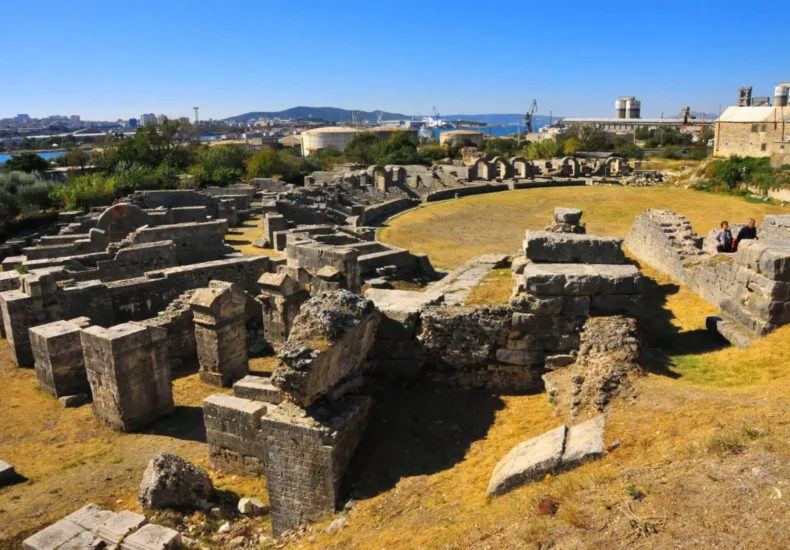
Turkish archaeologists have discovered stones belonging to a military strategy game played among Roman soldiers in the 5th century AD. The discovery occurred during excavation work at the ancient city of Hadrianopolis in the Eskipazar district of Karabük. The finding of the strategy game stones confirms that Hadrianopolis hosted a Roman military garrison during that

The farmer plowing his field discovered an ancient stone lid and a column capital

The farmer plowing his field discovered an ancient stone lid and a column capital

In the historic city of İznik, an important site in Anatolia, a farmer discovered an ancient stone lid and a column capital while plowing his field. The lid of the sarcophagus, which was unearthed from the ground, features intricate patterns, including a cross motif. The sarcophagus, along with human bones and other artifacts, has been

Some artifacts uncovered in the Heraclea excavations revealed 2000-year-old paw prints

Some artifacts uncovered in the Heraclea excavations revealed 2000-year-old paw prints

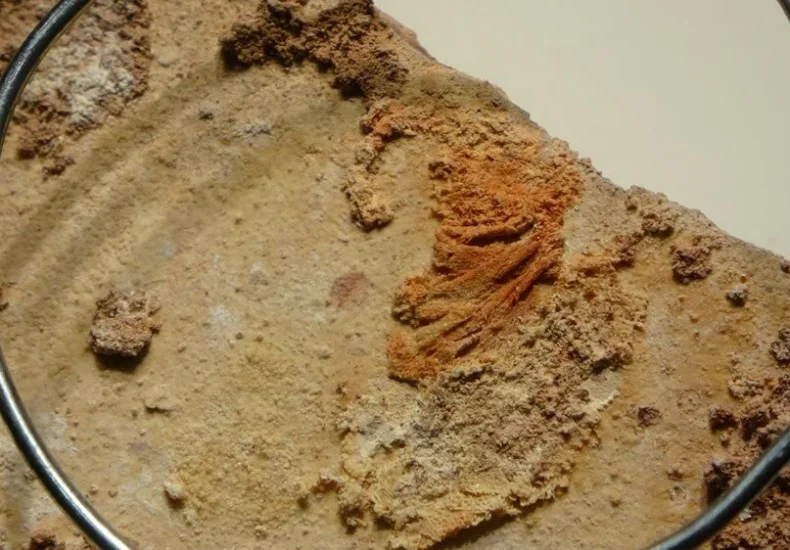
In the excavations of the ancient city of Heraclea, one of the important settlements in the Caria region established in the 5th century BC, some artifacts revealed 2000-year-old paw prints. Heraclea is located within the borders of Kapıkırı village in the Milas district of Muğla province in present-day Türkiye. The city, which once had a

The remaining piece of the 2000-year-old mosaic has been waiting to be removed from the barn for 22 years

The remaining piece of the 2000-year-old mosaic has been waiting to be removed from the barn for 22 years

The remaining piece of a 2000-year-old mosaic, believed to belong to the Roman period, has still not been removed after 22 years. The Tepecik Mosaic, located in the Sivas Archaeology Museum, was discovered on the floor of a barn in the Gürün district of Sivas. The Roman-period floor mosaic, found in a citizen’s barn in

Uncovering Unknown Migrations: A Scandinavian Roman Gladiator in York Before the Viking Age

Scandinavian genetic markers were found in the British Isles several centuries earlier than previously believed, with evidence stemming from a man interred in York. By analyzing ancient DNA, researchers have connected genetic findings to historical records of Germanic, Roman, and Viking migrations, revealing intricate patterns of movement that influenced early medieval Europe. In a study

Sivas Ulu Mosque

The minaret of Sivas Ulu Mosque, likened to the Leaning Tower of Pisa, will be restored using a new method in Türkiye

The minaret of Sivas Ulu Mosque, built by Kızılarslan bin İbranim during the reign of Sultan 2. Kudbeddin Melikşah of the Anatolian Seljuk State in 1197, is compared to Italy’s Leaning Tower of Pisa. It has a lean of 117 centimeters and is expected to stand for many years using a method that will be

Researchers have discovered a distinctive engraving that may represent the oldest three-dimensional (3D) map known to exist

Researchers have discovered a distinctive engraving that may represent the oldest three-dimensional (3D) map known to exist

Researchers exploring the Ségognole 3 cave, situated in the renowned sandstone massif south of Paris, have uncovered a remarkable engraving that might be the oldest three-dimensional (3D) map in existence. A recent study published in the Oxford Journal of Archaeology highlights how hunter-gatherers, over 20,000 years ago, modified the cave environment to depict water flow

1 46 47 48 49 50 108