Monday, December 8 2025
A 2800-year-old Urartian temple and two cuneiform inscriptions were found in Van

A 2800-year-old Urartian temple and two cuneiform inscriptions were found in Van

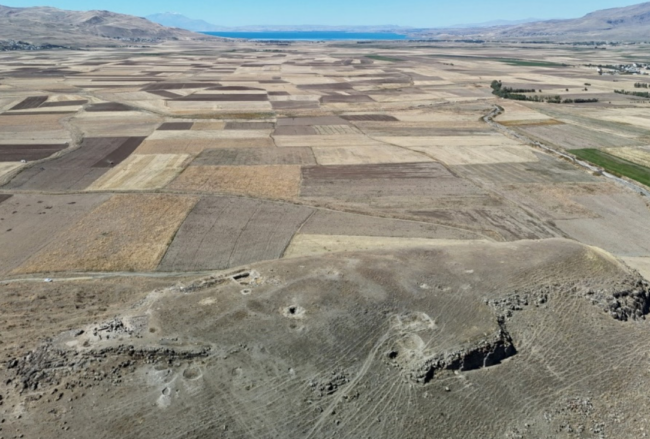
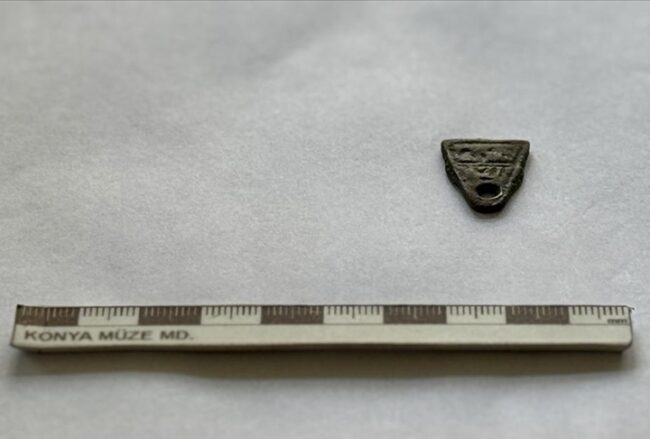
In the ongoing rescue excavations at Körzüt Castle located in the Muradiye district of Van, a 2800-year-old Urartian temple was discovered. Along with the temple, two inscriptions with cuneiform writing were also found. The rescue excavations at Körzüt Castle are continuing under the scientific supervision of Associate Professor Dr. Sabahattin Erdoğan from the Department of

The statues on Mount Nemrut are being preserved with nano cells

The statues on Mount Nemrut are being preserved with nano cells

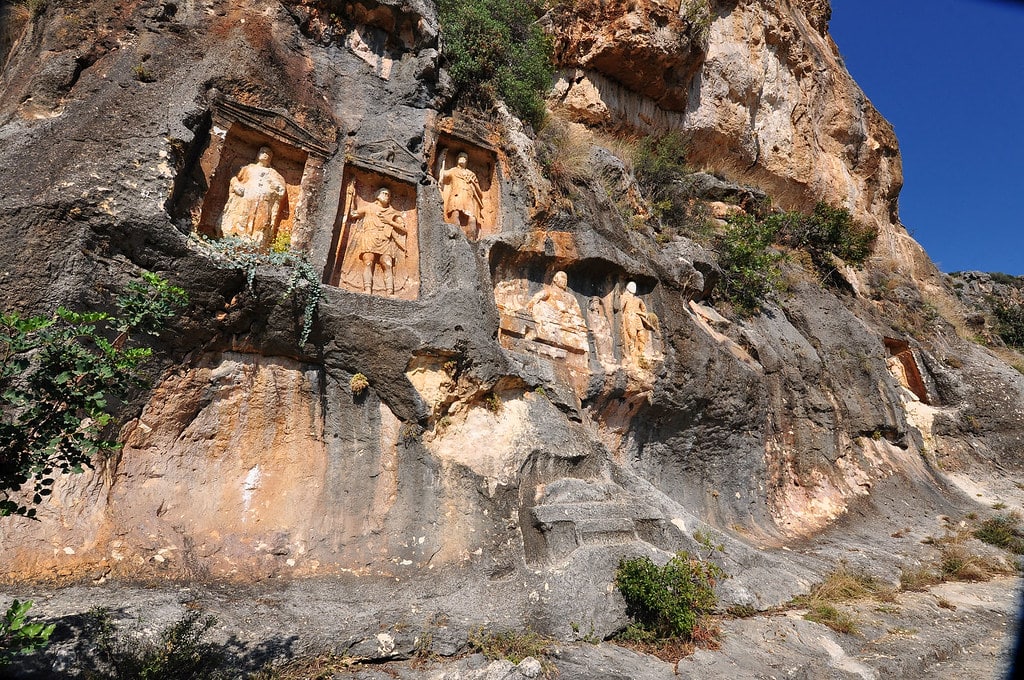
Stone statues of many Greek and Persian gods, built by Antiochos Theos, king of Commagene, on the summit of Mount Nemrut in 62 BC, were protected by injecting nano cells. According to the news on IHA, last year, cracks in the statues on Mount Nemrut, which is listed on UNESCO’s World Heritage List and has

The discovery of a 12,000-year-old tomb in the Direkli Cave in Maraş

The discovery of a 12,000-year-old tomb in the Direkli Cave in Maraş

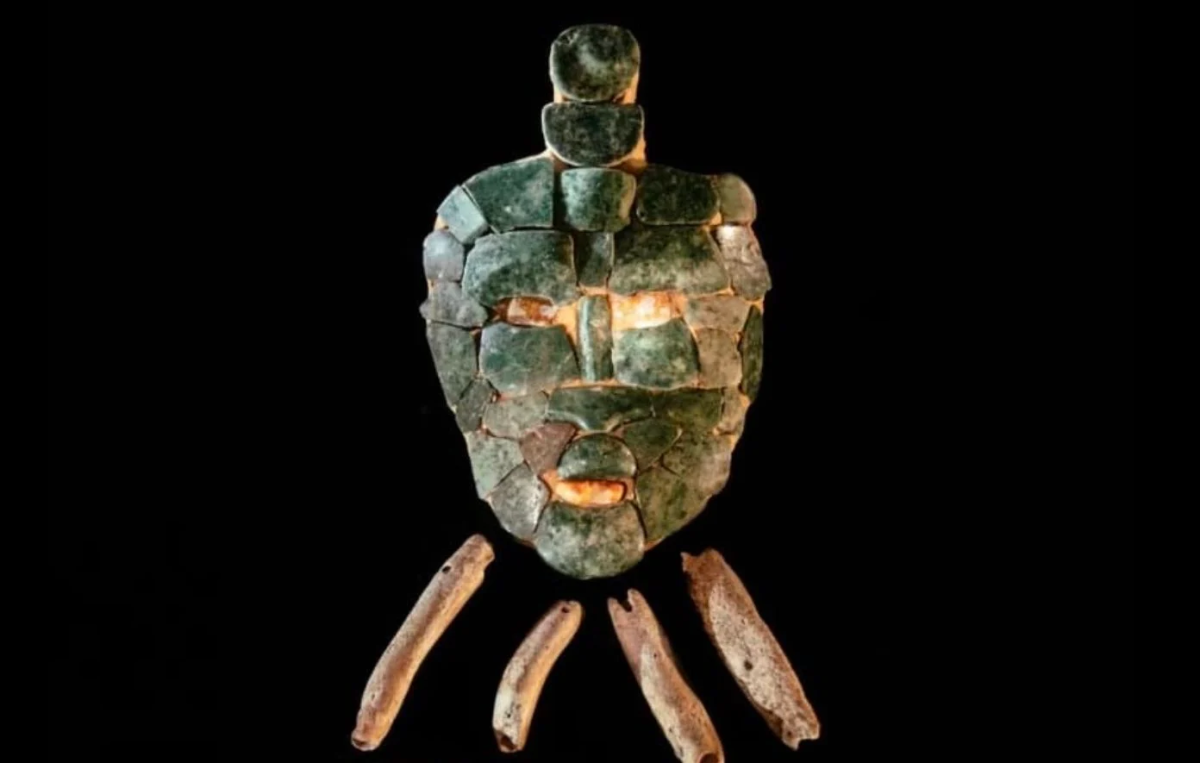
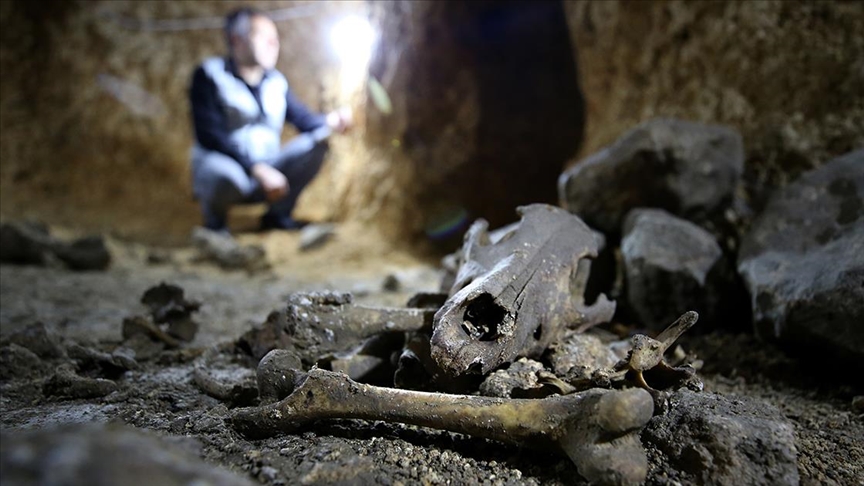
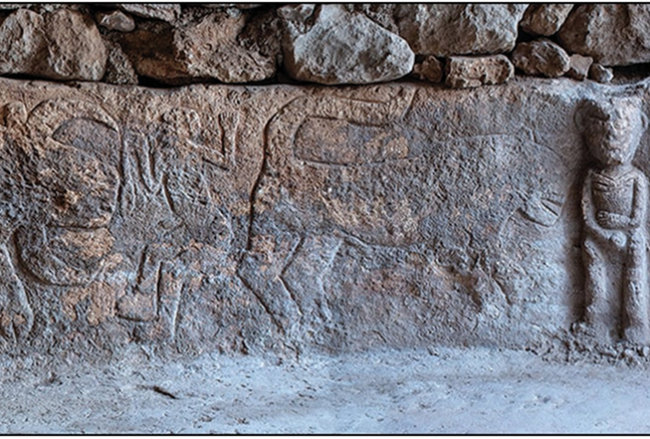
In the Direkli Cave in Kahramanmaraş, it is estimated that the third tomb reached in excavations that have been ongoing since 2007 is 12,000 years old. Direkli Cave is located within the boundaries of Döngel village, approximately 38 km northwest of Kahramanmaraş province. The traces of settlement in Direkli Cave were first identified by K.

Kastabala Ancient City

Kastabala Ancient City, the “Ephesus” of Çukurova, whose name is determined by an Aramaic inscription

Kastabala, located about 12 kilometers north of the city center of Osmaniye in the southern region of Türkiye, is an ancient city with a history dating back approximately 2,000 years. Kastabala, situated to the northwest of the Ceyhan River, often referred to as the “Ephesus of Çukurova.” The Kastabala archaeological site is situated at the

What was the reason for leaving the food on the plate and running away 5,000 years ago?

What was the reason for leaving the food on the plate and running away 5,000 years ago?

There are archaeological findings that, when you hold them, make you feel the fear, panic, and horror that people experienced during natural disasters or enemy attacks. Those moments flash before your eyes like a film reel. Or you may come across an artifact that leaves you wondering why it was left in that way, shrouded

It turned out that the water nymph statue unearthed in Bartın was Aphrodite

It turned out that the water nymph statue unearthed in Bartın was Aphrodite

During excavations in the ancient city of Amastris in Bartın, it was determined that the statue of the water nymph found three meters below the surface is actually a statue of Aphrodite. While examinations were ongoing to determine the characteristics of the statue with both Aphrodite and water nymph features, the statue was exhibited in

The circular structure uncovered at Uşaklı Mound may indicate the sacred Hittite city of Zippalanda

The circular structure uncovered at Uşaklı Mound may indicate the sacred Hittite city of Zippalanda

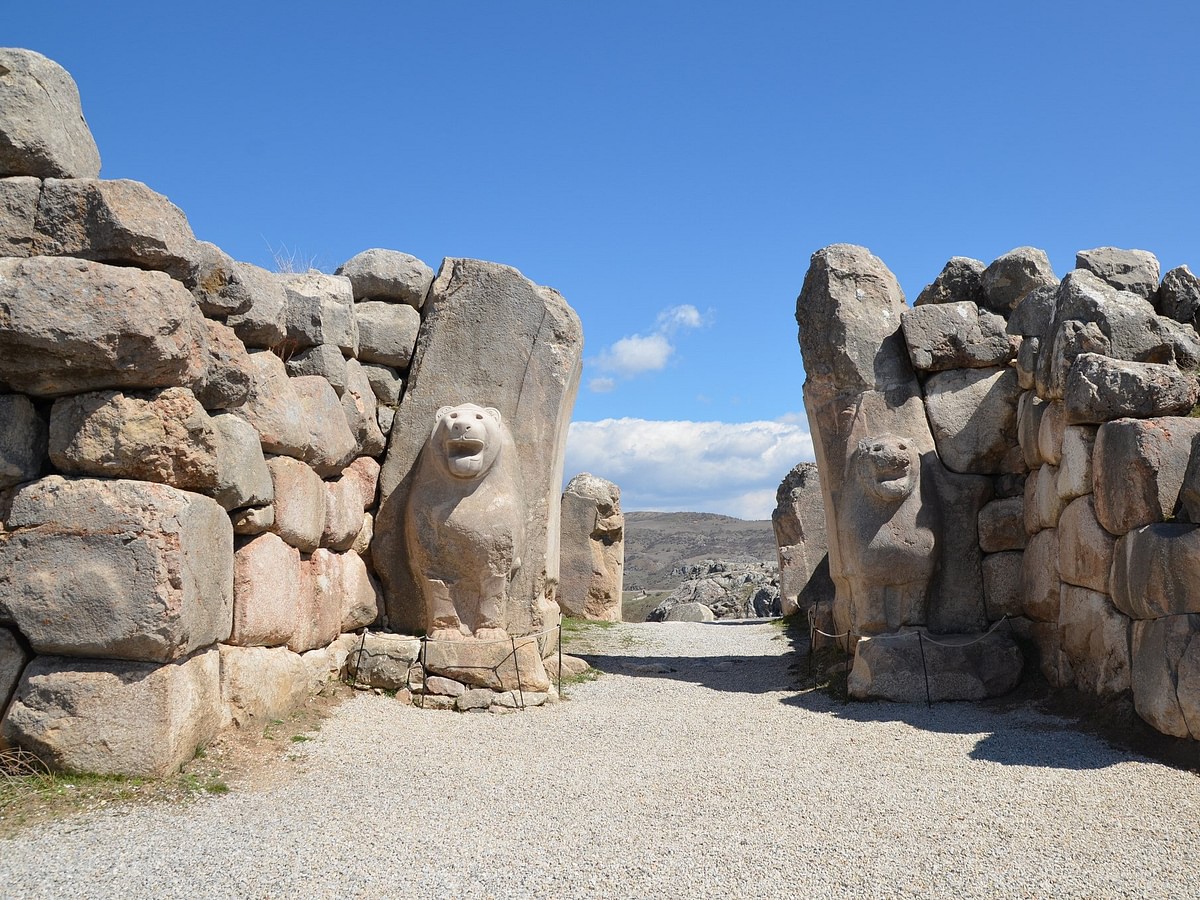
The circular structure uncovered in the excavations at Uşaklı Mound may potentially indicate the lost Hittite sacred city of Zippalanda. This claim is supported by findings from the past excavation seasons. The archaeological team from Pisa University, who participated in the Uşaklı Mound excavations, published the 2022 excavation report. Regarding the circular structure discovered during

Call from the Ministry of Culture to the Pergamon Museum: "The Temple of Zeus must return to its homeland"

Call from the Ministry of Culture to the Pergamon Museum: “The Temple of Zeus must return to its homeland”

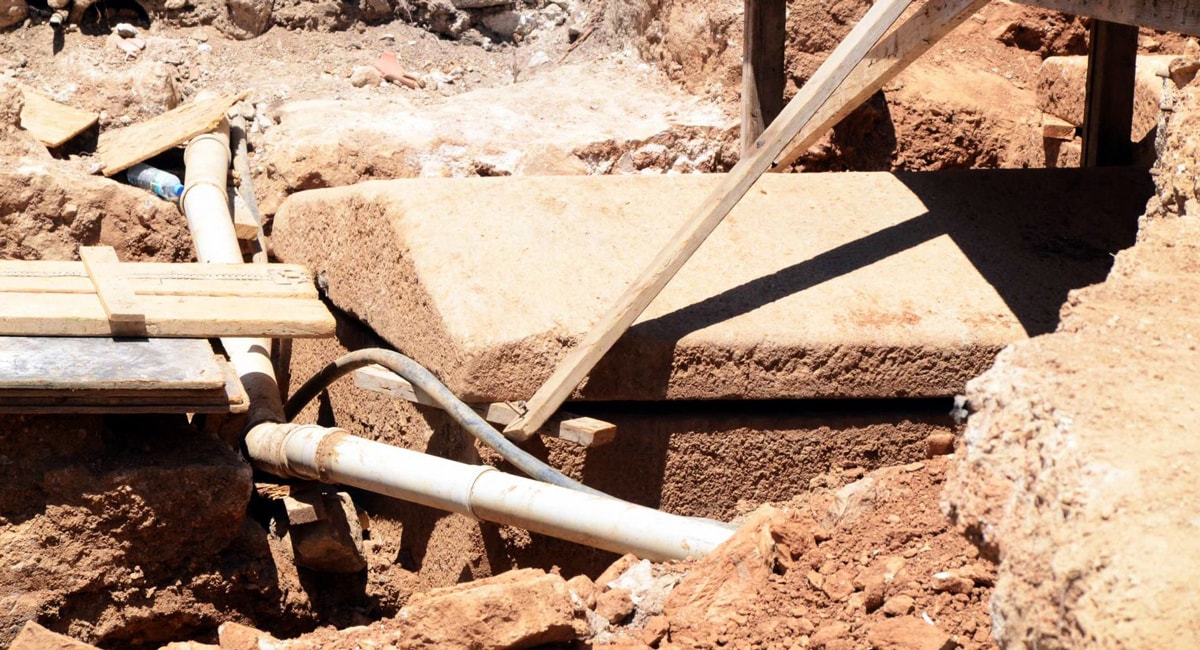
The Pergamon Museum in Germany, which houses one of the most visited artifacts, the Temple of Zeus, taken from Türkiye, is closing its doors to visitors for a comprehensive four-year restoration The Ministry of Culture has once again called for the Temple of Zeus to “return to its homeland.” The Pergamon (Bergama) Museum in the

2500-year-old Persian food was found in Oluz Höyük excavations

2500-year-old Persian food was found in Oluz Mound excavations

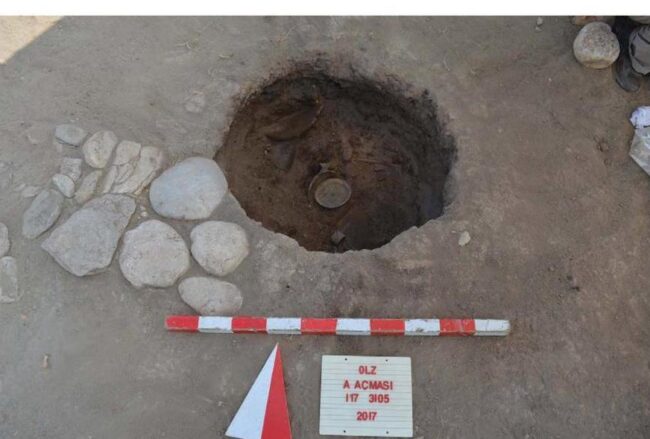
At Oluz Höyük (Oluz Mound), with settlement layers dating back to around 4500 BC, 2,500-year-old food remnants were discovered in the palace kitchen from the Persian period. Bone fragments and cereal grains found inside a clay pot closely resemble a dish known as “keşkek” today. Prof. Dr. Şevket Dönmez, the head of the excavation and

Museum officials discovered a 3000-year-old necropolis by chance

Museum officials discovered a 3000-year-old necropolis by chance

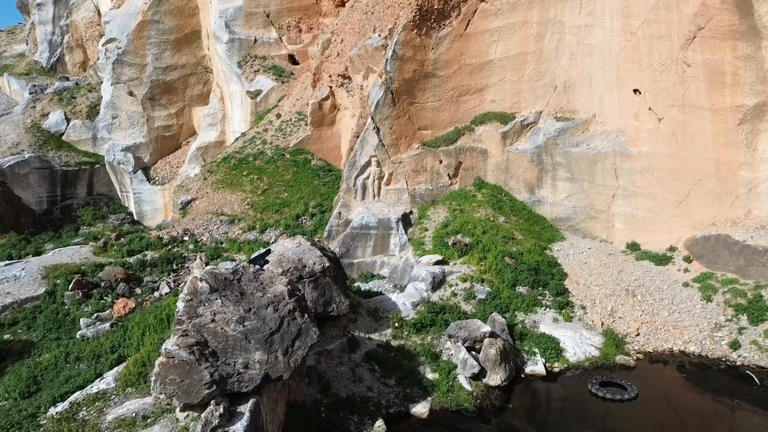
To go to the region to take photographs of the caves in Cehennem Deresi in the village of Bağözü, located in the Gercüş district of Batman, Hasankeyf museum officials accidentally discovered a 3000-year-old necropolis. The necropolis is situated on steep cliffs overlooking the Tigris River, accessible by a five-kilometer hike. Archaeologists initially opened eight trenches

1 94 95 96 97 98 107