
Restoration Works to Expand at Zerzevan Castle, the Easternmost Garrison of the Roman Empire
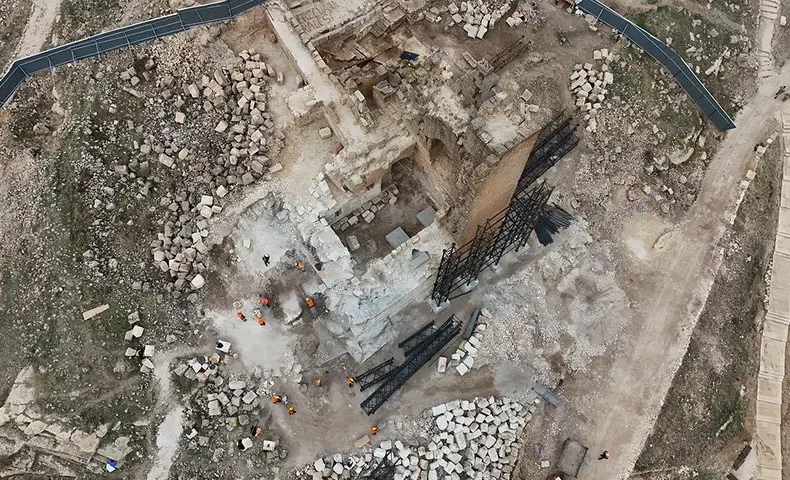
Restoration efforts are set to enter a new phase at Zerzevan Castle, one of the most strategically significant military installations on the eastern frontier of the Roman Empire. While conservation work continues at the southern tower and the large basilica, plans are in place to extend restoration next year to the underground church, the Mithras sanctuary, the arsenal, and the fortification walls.
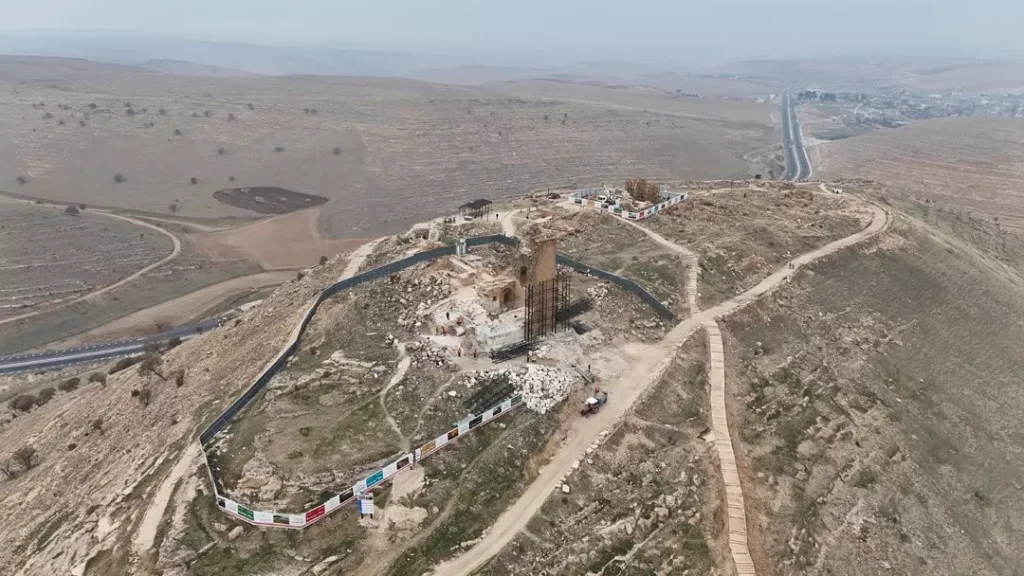
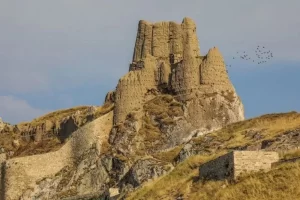
Located near Demirölçek village in Diyarbakır’s Çınar district, the fortress rises on a rocky hill approximately 124 meters above the surrounding plain. Ongoing, year-round archaeological excavations have firmly established Zerzevan as a key reference point for understanding Roman military, religious, and social life in southeastern Anatolia.
A Frontier Fortress Shaped by Roman Military and Religious Life
Zerzevan Castle occupies a unique position among Roman sites due to the discovery of a Mithras sanctuary within a military settlement, identified as the last known example of its kind worldwide. The underground cult space reflects the prominence of the Mithraic mystery religion among Roman soldiers before Christianity became dominant in the 4th century AD.
Since systematic excavations began in 2014, archaeologists have uncovered an extensive architectural complex spread across nearly 1,000 decares. The remains include fortification walls reaching 15 meters in height and extending for about 1,200 meters, a 21-meter-high watchtower, churches, administrative buildings, residential quarters, grain and weapon depots, rock-cut tombs, water channels, and 63 cisterns. Among the most striking discoveries are the underground church, a subterranean shelter capable of housing up to 400 people, secret passageways, and the Mithras temple itself.
📣 Our WhatsApp channel is now LIVE! Stay up-to-date with the latest news and updates, just click here to follow us on WhatsApp and never miss a thing!!
These findings played a decisive role in Zerzevan Castle’s inclusion on the UNESCO World Heritage Tentative List in 2020, further enhancing its international visibility and tourism potential.
Conservation Using Advanced Scientific Methods
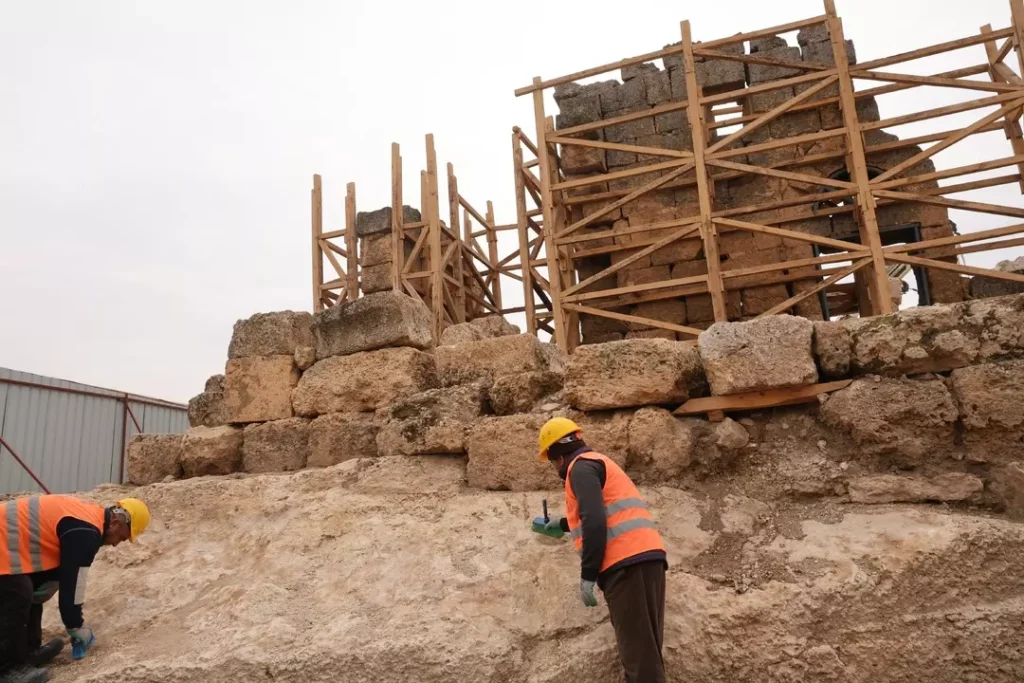
Archaeological excavation at Zerzevan now proceeds alongside an intensive conservation program. Restoration work currently focuses on the southern tower and the large basilica, where a 35-member specialist team is applying advanced preservation techniques. These include capping to protect exposed wall tops, structural reinforcement, and precision injection methods designed to stabilize cracks without altering the original fabric of the buildings.
According to excavation director Prof. Dr. Aytaç Coşkun, the primary objective is long-term protection rather than reconstruction. He emphasizes that all interventions are based on the latest technological standards and are carefully designed to preserve the site’s authenticity.
Underground Structures and Fortifications to Follow
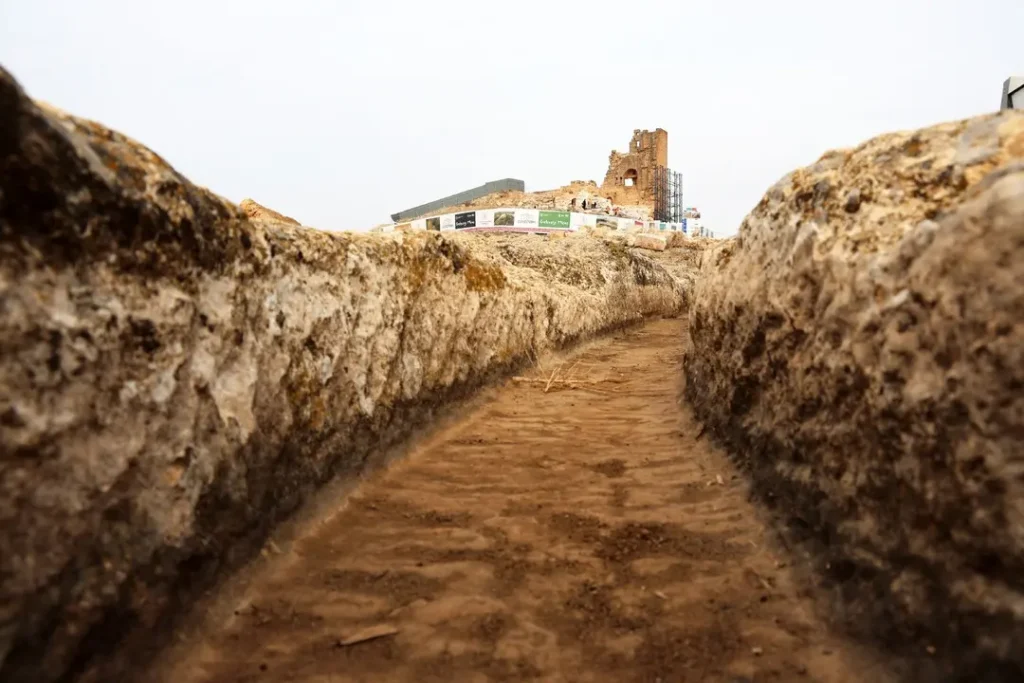
In the next stage of the project, restoration will be extended to some of Zerzevan’s most visited and sensitive areas, including the underground church, the Mithras sacred area, the arsenal, and the defensive walls. The expanded program is being carried out under the Ministry of Culture and Tourism’s Geleceğe Miras (Heritage for the Future) initiative, with support from local authorities and museum specialists.
By gradually encompassing both the sacred and military components of the fortress, the restoration aims not only to safeguard the surviving structures but also to present a clearer and more coherent picture of life on Rome’s eastern frontier. Once completed, Zerzevan Castle is expected to stand as one of the most comprehensively preserved Roman military sites in Anatolia, offering rare insight into imperial defense, religious practice, and daily life at the edge of the Roman world.
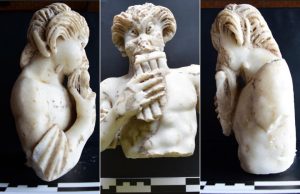
- A 1700-year-old statue of Pan unearthed during the excavations at Polyeuktos in İstanbul
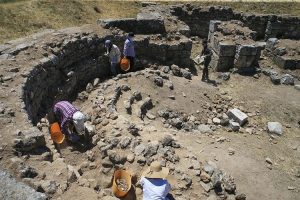
- The granary was found in the ancient city of Sebaste, founded by the first Roman emperor Augustus
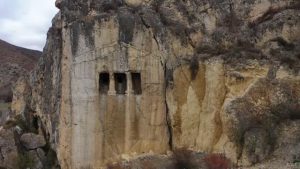
- Donalar Kale Kapı Rock Tomb or Donalar Rock Tomb
- Theater emerges as works continue in ancient city of Perinthos
- Urartian King Argishti’s bronze shield revealed the name of an unknown country
- The religious center of Lycia, the ancient city of Letoon
- Who were the Luwians?
- A new study brings a fresh perspective on the Anatolian origin of the Indo-European languages

- Perhaps the oldest thermal treatment center in the world, which has been in continuous use for 2000 years -Basilica Therma Roman Bath or King’s Daughter-
- The largest synagogue of the ancient world, located in the ancient city of Sardis, is being restored
Leave a Reply