
Sillyon’s Hellenistic Walls Rise Again in Antalya, Reasserting One of Anatolia’s Most Formidable Ancient Defenses
For centuries, Sillyon stood as a city few could reach—let alone conquer. Now, with the restoration of its Hellenistic walls, that reputation is becoming visible once again.
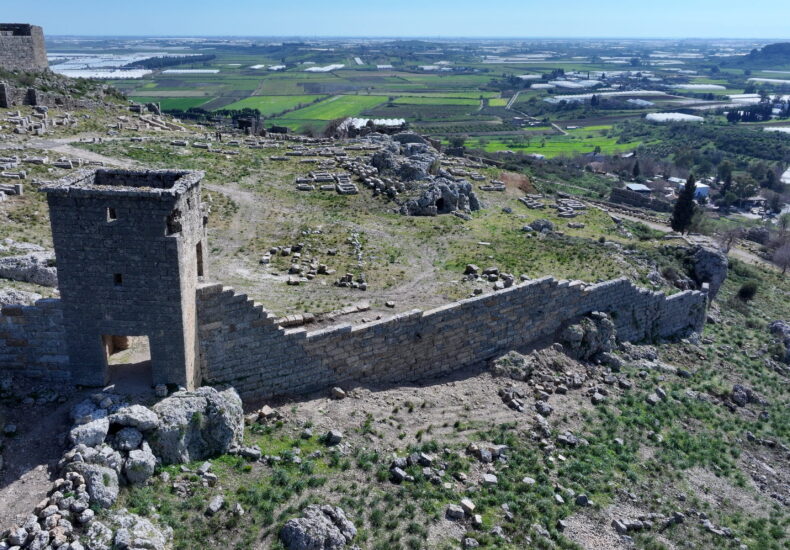
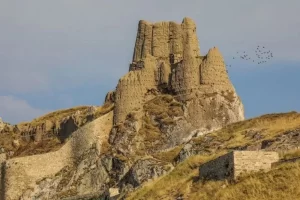
Perched on a steep plateau in the Serik district of Antalya, Sillyon Ancient City was never an ordinary settlement. Its defensive strength began with geography. Sheer slopes and limited access routes turned the site into a natural stronghold long before stone fortifications were added.
Defense Shaped by Terrain, Not Just Architecture
According to excavation director Assoc. Prof. Dr. Murat Taşkıran of Pamukkale University, Sillyon offers a clear example of how ancient defense strategies extended beyond walls and towers.
The city’s position dictated its military logic.
📣 Our WhatsApp channel is now LIVE! Stay up-to-date with the latest news and updates, just click here to follow us on WhatsApp and never miss a thing!!
Even in antiquity, builders understood that the terrain itself was the first line of defense. Yet this natural protection was not considered sufficient. During the Hellenistic period, additional fortifications were constructed to eliminate any remaining vulnerabilities.
A Single Weak Point—Reinforced into an Impenetrable Barrier
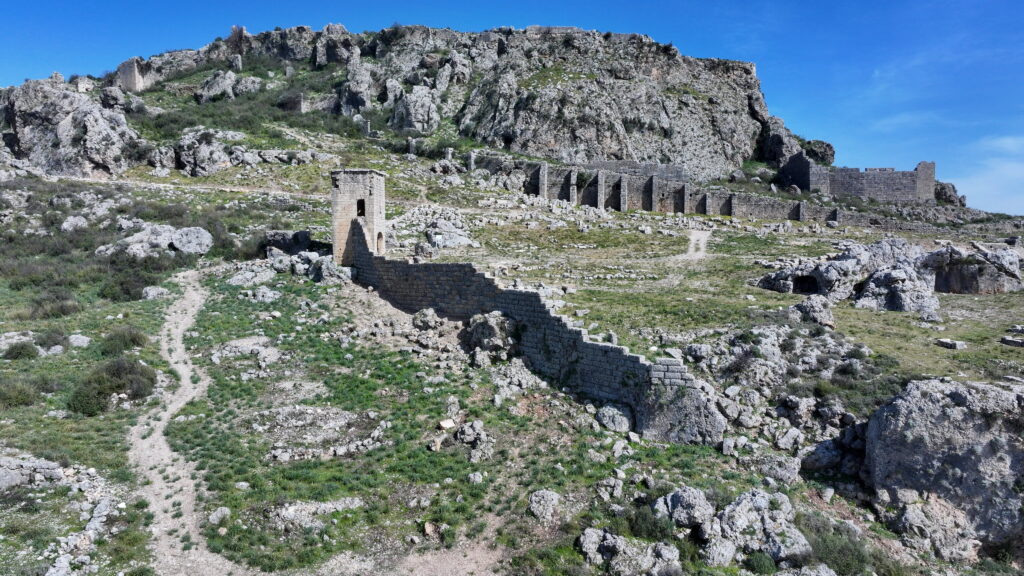
Sillyon’s only accessible approach lay along its western flank. This narrow corridor, potentially the city’s weakest point, became the focus of an ambitious defensive intervention.
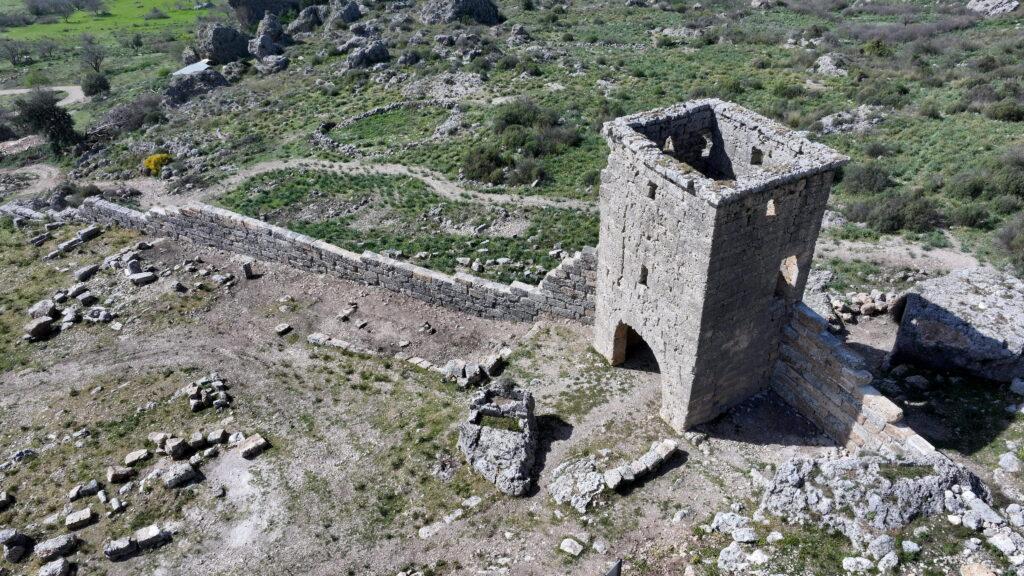
A fortified wall system was constructed along this line, strengthened by towers placed at regular intervals. What had once been a possible entry route was transformed into a controlled and heavily defended zone.
Archaeological assessments suggest that this layered system made the city effectively unassailable. Notably, there is no historical evidence of a major successful attack against Sillyon.
Walls That Outlived Empires
The endurance of Sillyon’s fortifications extends far beyond the Hellenistic period.
These same defensive structures continued to function through the Byzantine, Seljuk, and Ottoman eras, adapting to shifting political realities while preserving their original framework.
Over time, however, their military role diminished. Following the consolidation of Turkish control in the region, the need for heavily fortified positions declined, and the walls gradually lost their strategic importance.
Restoration Using Original Materials
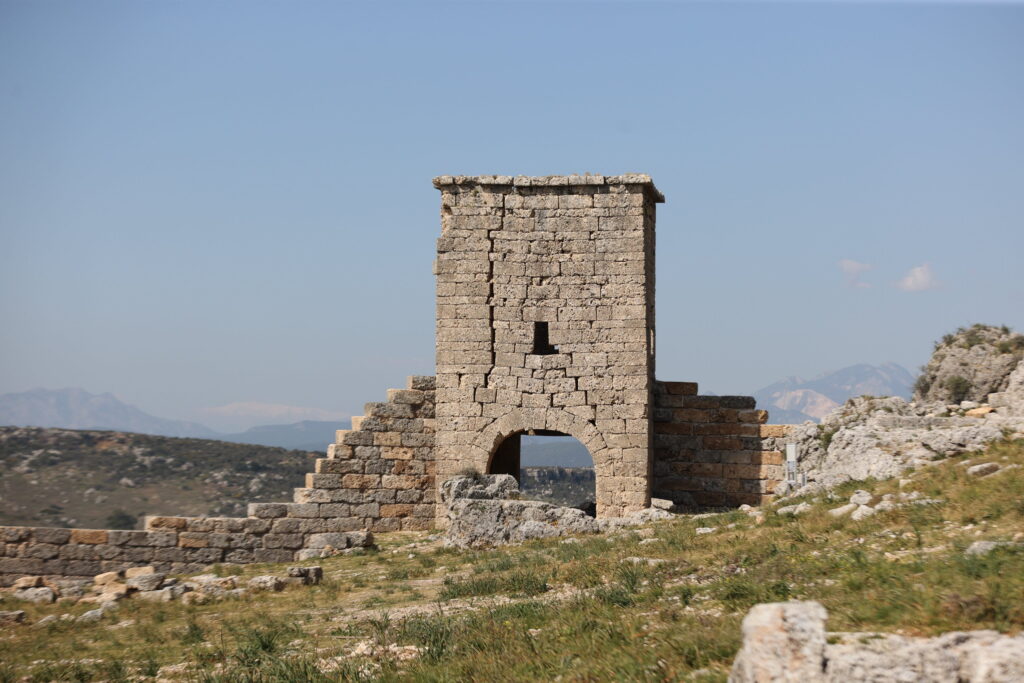
The recent restoration project, initiated last year, focused on a partially collapsed Hellenistic tower and its adjoining wall segment.
Crucially, conservation teams relied on original construction materials, ensuring both historical authenticity and structural continuity. The intervention avoided modern over-restoration, instead aiming to stabilize and reveal the existing fabric of the monument.
Reconstructing More Than Walls
With the restoration now completed, Sillyon’s defining feature—its defensive system—has re-emerged with renewed clarity.
More than a structural repair, the project restores a key aspect of the city’s identity. Sillyon was not simply built to exist; it was built to endure.
- A 1700-year-old statue of Pan unearthed during the excavations at Polyeuktos in İstanbul
- The granary was found in the ancient city of Sebaste, founded by the first Roman emperor Augustus
- Donalar Kale Kapı Rock Tomb or Donalar Rock Tomb
- Theater emerges as works continue in ancient city of Perinthos
- Urartian King Argishti’s bronze shield revealed the name of an unknown country
- The religious center of Lycia, the ancient city of Letoon
- Who were the Luwians?

- A new study brings a fresh perspective on the Anatolian origin of the Indo-European languages

- Perhaps the oldest thermal treatment center in the world, which has been in continuous use for 2000 years -Basilica Therma Roman Bath or King’s Daughter-
- The largest synagogue of the ancient world, located in the ancient city of Sardis, is being restored
Leave a Reply