
Site of Ottoman Founder Osman I’s Lost House Identified and Registered in Bilecik, Türkiye
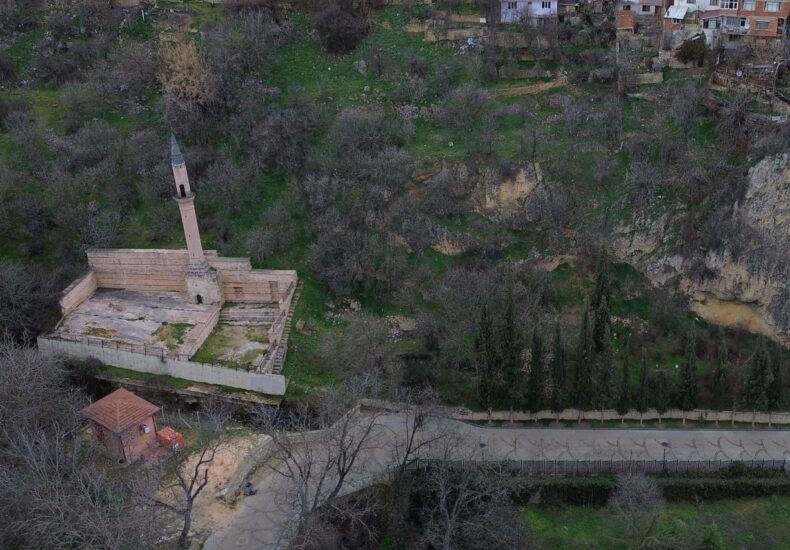
The building no longer survives. It was likely destroyed during the upheaval of the early 20th century. Yet in 2025, Turkish authorities formally registered the exact location traditionally identified as the house of Osman I, founder of the Ottoman state, inside the Sheikh Edebali Complex in Bilecik, northwestern Türkiye.
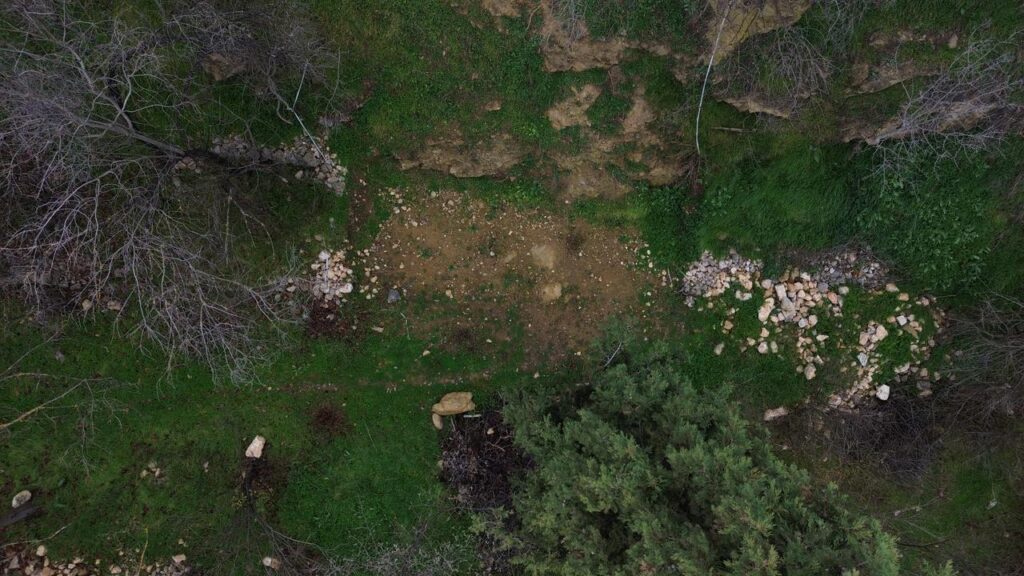
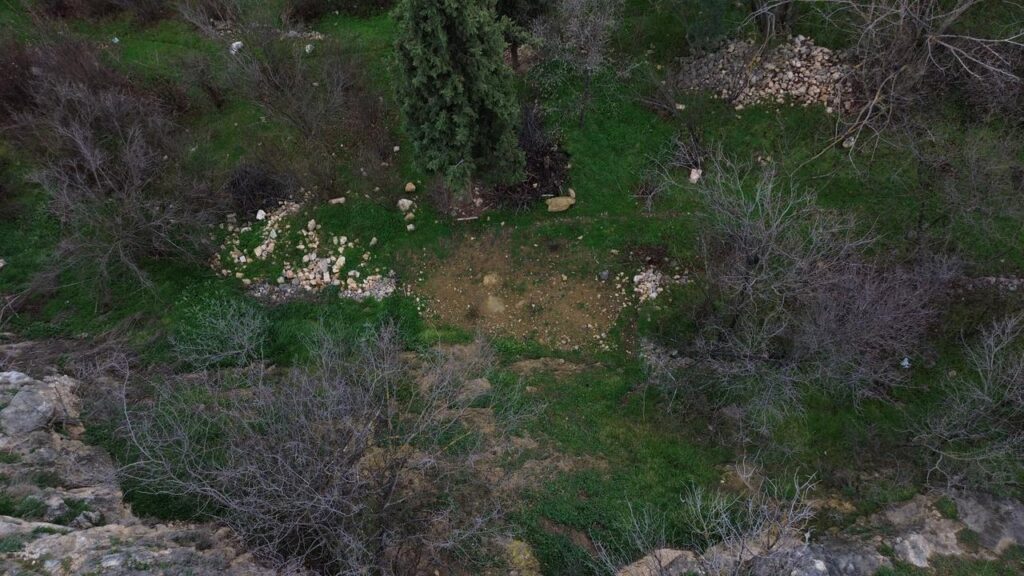
The registration covers a 40-square-meter area, officially defined as “the place where Osman I’s house was located.”
A Research Trail That Began in 2005
The identification process was led by Professor Taner Bilgin of Bilecik Şeyh Edebali University. His investigation began in 2005 after meeting Celal Devecioglu, who relayed a local account claiming that Osman I once had a residence within the Sheikh Edebali Complex grounds. According to this testimony, the structure was destroyed during the Greek occupation in the Turkish War of Independence.
Rather than accepting oral memory at face value, Bilgin began systematically tracking documentary references across archives and publications.
📣 Our WhatsApp channel is now LIVE! Stay up-to-date with the latest news and updates, just click here to follow us on WhatsApp and never miss a thing!!
A 1911 Ottoman Document Confirms the House
The decisive archival breakthrough came in 2011. While researching in the Presidency of the Republic of Türkiye State Archives, Bilgin identified an April 1911 administrative record sent by the Bilecik Mutasarriflik (governor’s office) to the Interior Ministry.
The document explicitly referred to renovation work carried out on “Osman Gazi’s house.”
This record demonstrates that the building was still officially recognized and maintained in the early 20th century.
An 1891 Painting in Berlin
Earlier visual evidence had surfaced in 2006 during a visit to Berlin. At an exhibition, Bilgin encountered an 1891 oil painting created by the wife of a German railway worker stationed in Bilecik during the reign of Sultan Abdulhamid II.
The painting depicted a structure identified at the time as Osman I’s house. Presented by the descendants of the family, the artwork offered a rare late 19th-century visual representation of the residence before its destruction.
Architectural Description from 1935
Further written confirmation came from a 1935 book in Ottoman Turkish authored by former Bilecik mayor Necmi Kadıoğlu. In that publication, the house was described as a two-storey structure featuring a gilded ceiling and carved wooden decorative elements.
This description provides rare insight into the building’s architectural character.
On-Site Studies and Waqf Status
Following Bilgin’s formal application to the Bilecik Governorship, on-site studies were conducted by the Eskişehir Regional Council Directorate for the Protection of Cultural Assets.
In 2025, authorities officially registered the location after reviewing both field findings and title records. The land was confirmed to be waqf property, meaning it was historically designated as a charitable endowment under Islamic law.
Bilgin has expressed hope that the two-storey house could one day be revived based on documentary evidence.
War-Time Destruction and Historical Loss
Bilecik holds symbolic importance as one of the birthplaces of the Ottoman polity. Yet many structures dating from the late 13th and early 14th centuries did not survive into the modern era.
The widespread destruction suffered by the city during the Turkish War of Independence is believed to have contributed significantly to the loss of Osman I’s residence.
The 2025 registration does not reconstruct the building itself. What it does is secure its historical footprint — anchoring archival documentation, visual evidence, and local memory to a legally protected site.
For scholars of early Ottoman history, that distinction matters.
- A 1700-year-old statue of Pan unearthed during the excavations at Polyeuktos in İstanbul
- The granary was found in the ancient city of Sebaste, founded by the first Roman emperor Augustus
- Donalar Kale Kapı Rock Tomb or Donalar Rock Tomb
- Theater emerges as works continue in ancient city of Perinthos
- Urartian King Argishti’s bronze shield revealed the name of an unknown country
- The religious center of Lycia, the ancient city of Letoon
- Who were the Luwians?
- A new study brings a fresh perspective on the Anatolian origin of the Indo-European languages

- Perhaps the oldest thermal treatment center in the world, which has been in continuous use for 2000 years -Basilica Therma Roman Bath or King’s Daughter-
- The largest synagogue of the ancient world, located in the ancient city of Sardis, is being restored
Leave a Reply