
T-Shaped Stones Surface Near the Euphrates, Pointing to a Wider Taş Tepeler Network
A newly identified Neolithic site in southeastern Türkiye, near the Upper Euphrates River, is adding weight to the idea that the monumental tradition associated with Göbeklitepe extended far beyond its previously known boundaries.
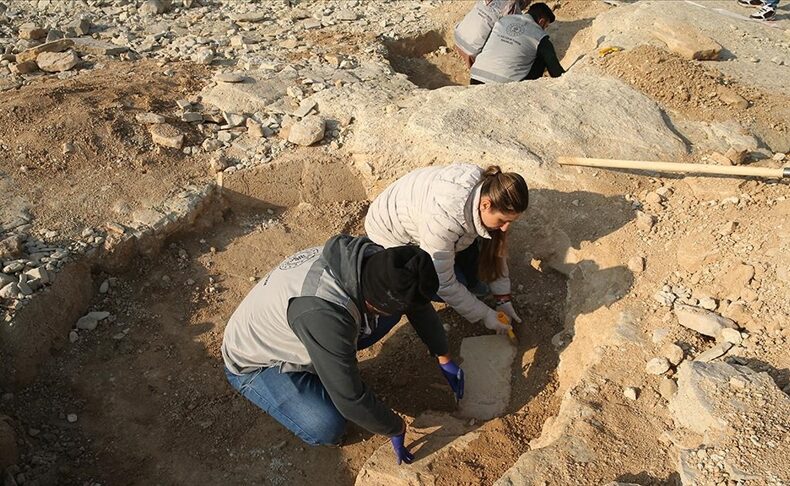
As water levels dropped in the Atatürk Dam reservoir, stone structures began to surface along the shoreline near Kızılöz village in the Samsat district of Adıyaman Province, a region located between Şanlıurfa and the central Euphrates corridor. Following a public tip-off, teams from the local museum authority carried out on-site inspections and identified T-shaped stone features closely resembling those documented at Göbeklitepe and other Taş Tepeler sites.
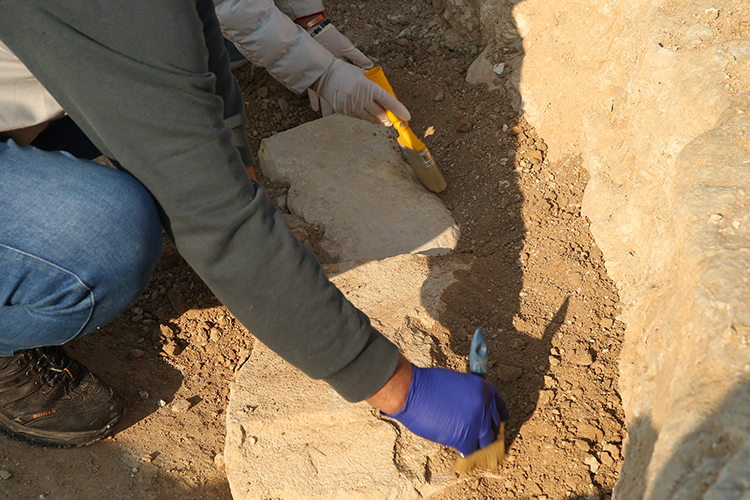
Initial evaluations suggest that the stones date back roughly 11,000 years, placing them firmly in the Pre-Pottery Neolithic period. According to Prof. Dr. Sabahattin Ezer of Adıyaman University’s Department of Archaeology, the newly identified remains reflect the same symbolic and architectural tradition long associated with the Göbeklitepe horizon.
“This area immediately caught our attention,” Ezer noted during field observations. “What we are seeing here corresponds directly to what is commonly described as the Göbeklitepe culture—now more accurately framed as the Taş Tepeler cultural phenomenon. At this stage, two small structures have been identified, but even these provide valuable preliminary data about the character of the site.”
📣 Our WhatsApp channel is now LIVE! Stay up-to-date with the latest news and updates, just click here to follow us on WhatsApp and never miss a thing!!
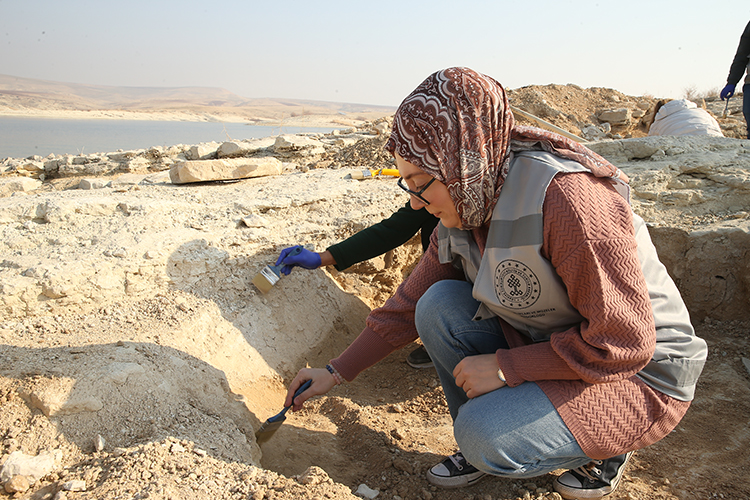
Architectural details appear particularly telling. The exposed remains include shallow, pit-like features bordered by stone slabs, with a small T-shaped pillar incorporated into the layout. This configuration mirrors construction principles documented at sites such as Sayburç and other Taş Tepeler localities around Şanlıurfa, suggesting a shared ritual or symbolic vocabulary across the region.
Museum officials emphasize that the discovery owes much to fluctuating water levels in the dam reservoir. Adıyaman Museum Deputy Director Mustafa Çelik explained that the structures were originally buried two to three meters below the surface. Repeated rises and falls in water levels gradually removed the overlying soil, allowing the stone forms to become visible.
“Our priority is documentation and rescue,” Çelik said. “Before water levels rise again, we need to record and protect what is currently exposed. The fact that the T-form can be recognized directly on the surface highlights how closely this site aligns with the Göbeklitepe tradition.”
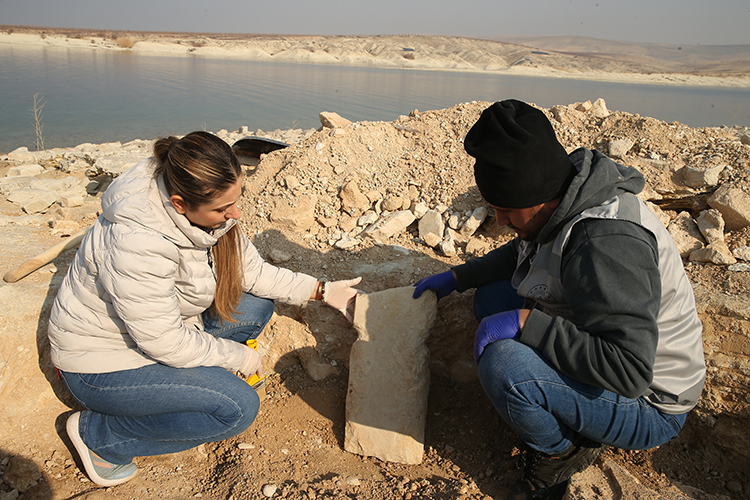
The recovered stone elements have since been transferred for protection and public display at the Perre Ancient City
Taken together, the Adıyaman finds add weight to a growing archaeological perspective: the monumental Neolithic traditions once thought to be concentrated around Göbeklitepe likely formed part of a much broader cultural landscape stretching across the Upper Euphrates basin. If confirmed through systematic excavation, the site may represent another key node within the expanding Taş Tepeler network—reshaping how scholars understand the scale and connectivity of early ritual communities in Anatolia.
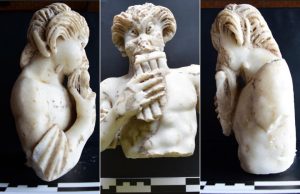
- A 1700-year-old statue of Pan unearthed during the excavations at Polyeuktos in İstanbul
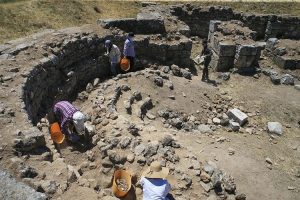
- The granary was found in the ancient city of Sebaste, founded by the first Roman emperor Augustus
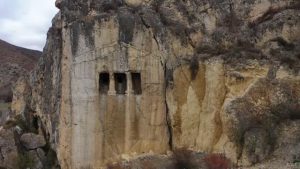
- Donalar Kale Kapı Rock Tomb or Donalar Rock Tomb
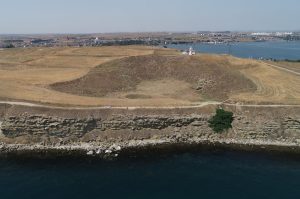
- Theater emerges as works continue in ancient city of Perinthos
- Urartian King Argishti’s bronze shield revealed the name of an unknown country
- The religious center of Lycia, the ancient city of Letoon
- Who were the Luwians?

- A new study brings a fresh perspective on the Anatolian origin of the Indo-European languages

- Perhaps the oldest thermal treatment center in the world, which has been in continuous use for 2000 years -Basilica Therma Roman Bath or King’s Daughter-
- The largest synagogue of the ancient world, located in the ancient city of Sardis, is being restored
Leave a Reply