
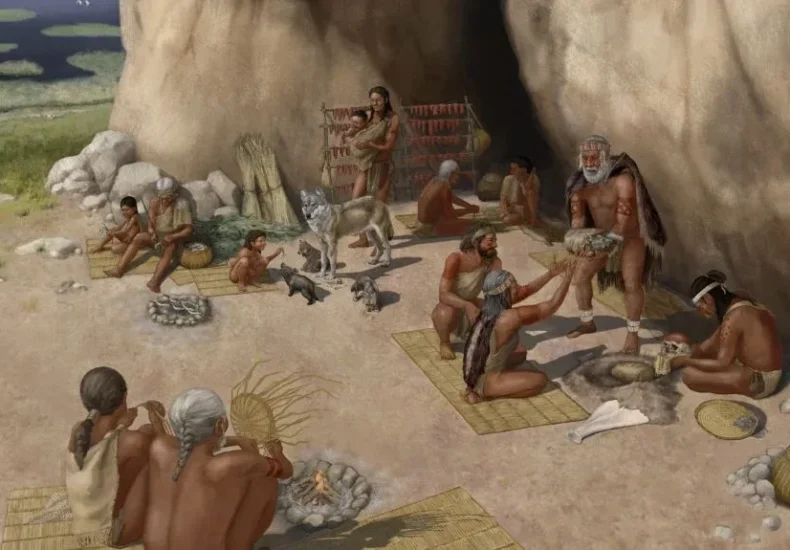
Ancient DNA Reveals 16,000-Year-Old Dogs in Anatolia, Rewriting the Origins of Domestication
A quiet stretch of central Anatolia is now offering one of the clearest answers yet to a long-standing question: when did wolves become dogs? New genetic evidence from the Pınarbaşı site in Türkiye shows that early dogs were already living alongside humans around 16,000 years ago—far earlier than previously confirmed. The discovery places Anatolia at
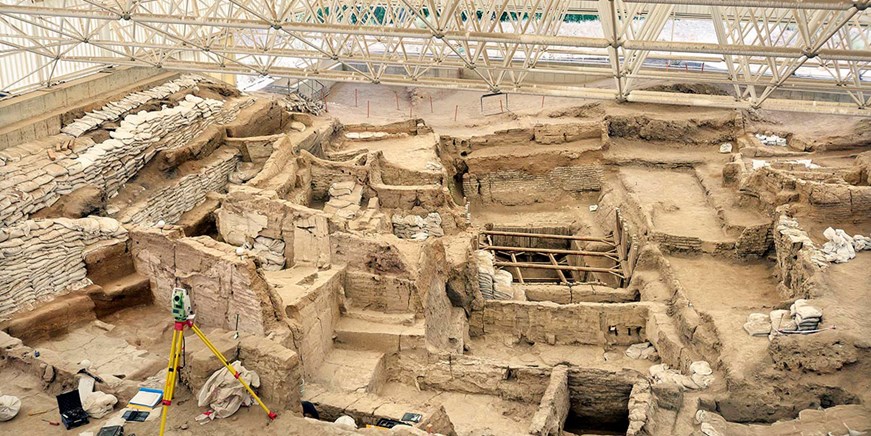
Çatalhöyük Study Wins Major Award in Poland: Turkish Scientists Help Redefine Neolithic Social Structure
A groundbreaking study on the Neolithic settlement of Çatalhöyük has received international recognition in Poland, after being selected as the most important foreign archaeological discovery of 2025 by Polish archaeologists. The award highlights research that challenges long-standing assumptions about social organization in early farming communities—placing women at the center of Neolithic life. The distinction was
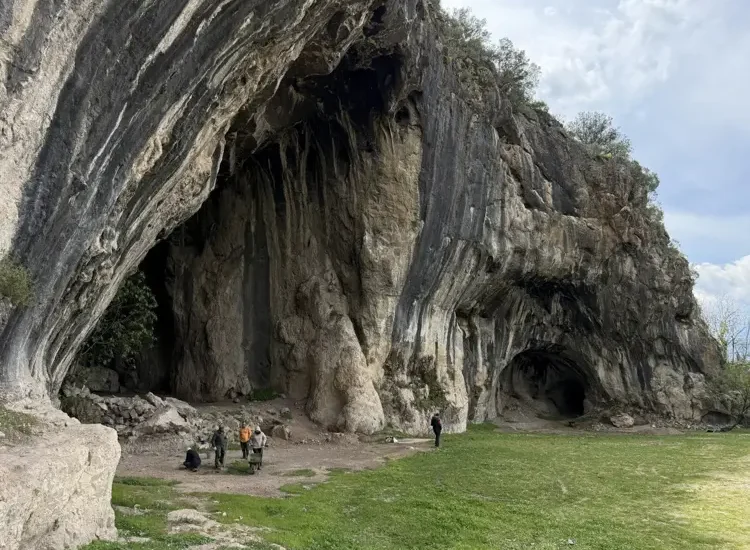
A New Study Illuminates How Neolithic Lifeways Spread from Anatolia to the Aegean and Europe
A sweeping new analysis published in Science is reshaping our understanding of how early farming traditions radiated outward from Anatolia. The study sheds light on long-debated questions about how Neolithic lifeways moved from Anatolia to the Aegean and eventually Europe, revealing a far more intricate story than the linear models once proposed. Western Anatolia as

“Early Anatolian Gene” Discovered in Girmeler Mound in Western Türkiye
A groundbreaking discovery has been made during archaeological excavations at the Girmeler Mound Settlement in the Seydikemer district of Muğla. Ancient DNA analysis conducted on human skeletons unearthed at the site has revealed a genetic heritage referred to as the “early Anatolian gene.” This finding has the potential to fundamentally alter existing knowledge about the