
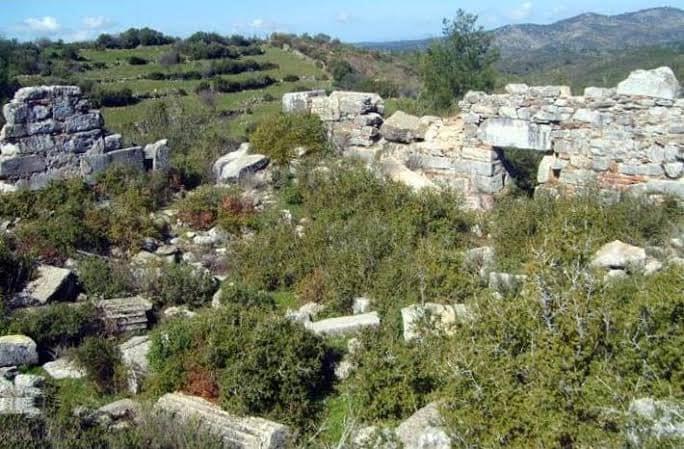
Looters Target 2,300-Year-Old Amyzon as Excavations in Ancient Carian City Remain Delayed
The ancient city of Amyzon, located in Aydın Province in western Türkiye, has become increasingly vulnerable to looting after long-planned archaeological excavations failed to begin. Dating back more than 2,300 years, the Carian city preserves impressive defensive walls and architectural remains. Yet despite its archaeological importance, Amyzon has not been the focus of a systematic
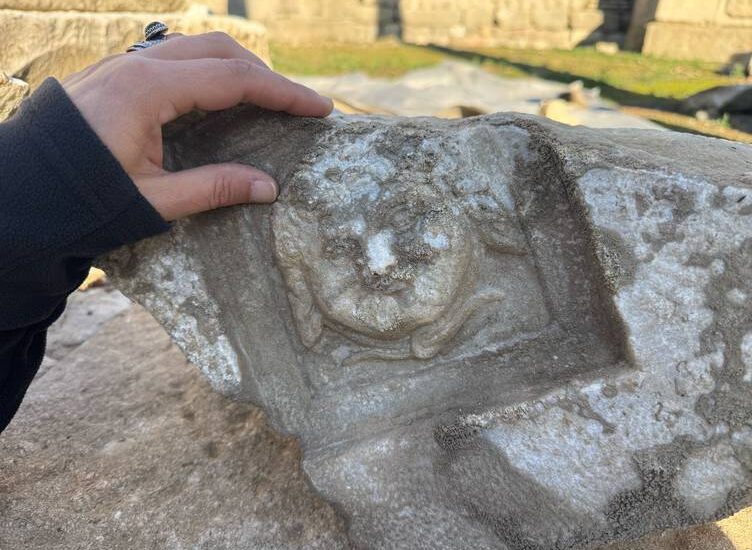
A Smiling Medusa Discovered in the Ancient City of Amastris on Türkiye’s Black Sea Coast
Archaeologists working in Amasra have uncovered a highly unusual depiction of one of antiquity’s most iconic mythological figures. A Medusa carved not with a terrifying expression, but with a gentle, almost smiling face has been found among the ceiling coffers of a monumental Roman stoa. The discovery offers a new perspective on the artistic choices
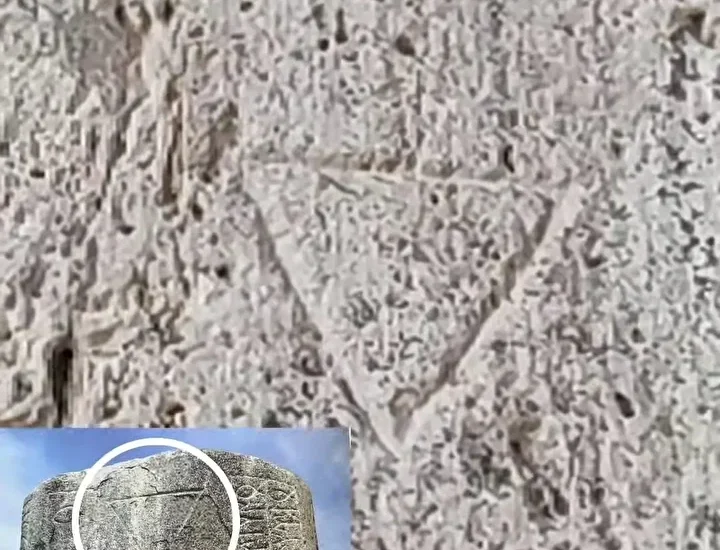
A Seljuk Caravanserai Reveals Rare Mongol and Turkic Tamgas: New Inscriptions Emerge at Çardak
A 13th-century waystation in western Türkiye is drawing fresh attention after the discovery of two highly unusual symbols — the Mongol Ulzii motif and a Turkic tamga associated with Bilge Tonyukuk. When the Seljuk caravan routes crossed the vast interior of Anatolia, they created more than commercial arteries; they forged a landscape of cultural exchange.
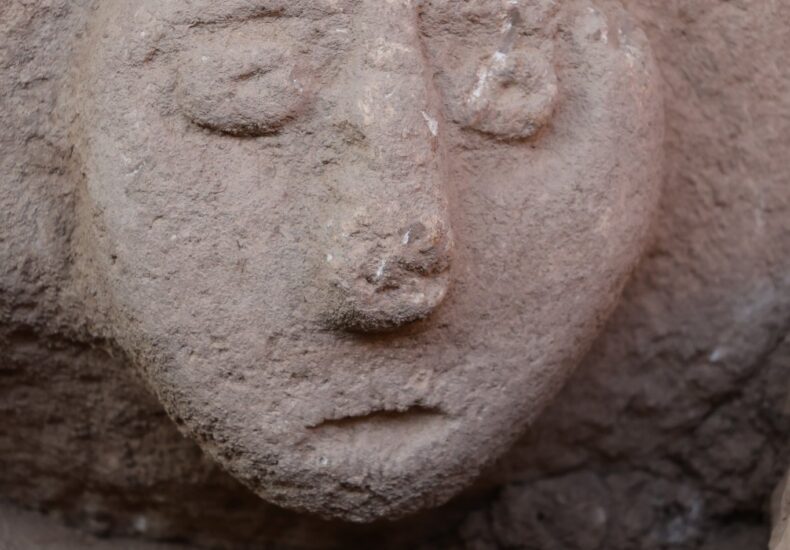
A New Wave of Neolithic Surprises at Taş Tepeler: Mysterious ‘Death Mask’ Sculpture Unveiled in Southeastern Türkiye
Human-like faces carved into stone, a rare double-sided bead, and an unsettling sculpture evoking the stillness of death—Türkiye’s vast Taş Tepeler region has revealed some of its most enigmatic Neolithic discoveries to date. The announcements came this week in Şanlıurfa, where the Ministry of Culture and Tourism shared 30 previously unknown finds that reshape current
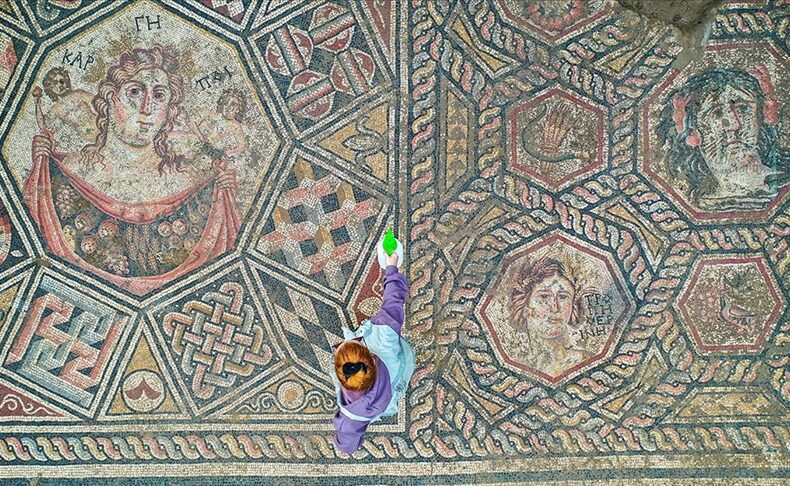
A Roman Mosaic Found 11 Years Ago in Iznik Is Finally Being Revealed: The Askania Figure Emerges
A remarkable discovery in northwest Türkiye is resurfacing after more than a decade. In 2014, workers laying a sewer line in Iznik (ancient Nicaea) briefly uncovered part of a Roman mosaic floor before the area was sealed and placed under protection. What appeared to be a single decorated panel has now, after 11 years, turned
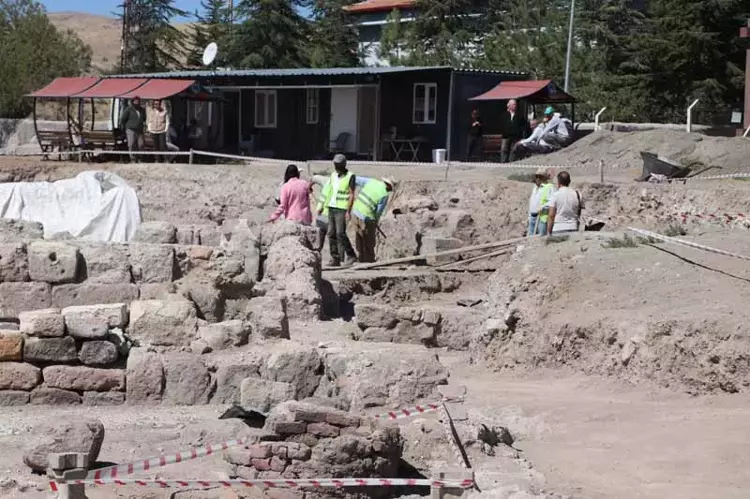
11th-Century Graves Unearthed in Kayseri’s Monumental Roman Mosaic Villa
Archaeologists excavating in İncesu, Kayseri, have uncovered children’s and adult burials dating to the 11th century within Central Anatolia’s largest Roman mosaic site. The discovery shows that a villa first built in the 3rd–4th centuries CE remained in use until the medieval period. Excavations in Örenşehir, İncesu district of Kayseri, have revealed a striking overlap

Excavations at Amos Ancient City Reveal Mosaics and Residential Structures
Archaeological work continues at full speed in Amos Ancient City, located in Turkey’s Muğla province, overlooking the coast of Marmaris. The 2025 excavation season is being carried out under the “Heritage for the Future” program of the Ministry of Culture and Tourism, coordinated by the Marmaris Chamber of Commerce, with support from Marmaris Municipality as
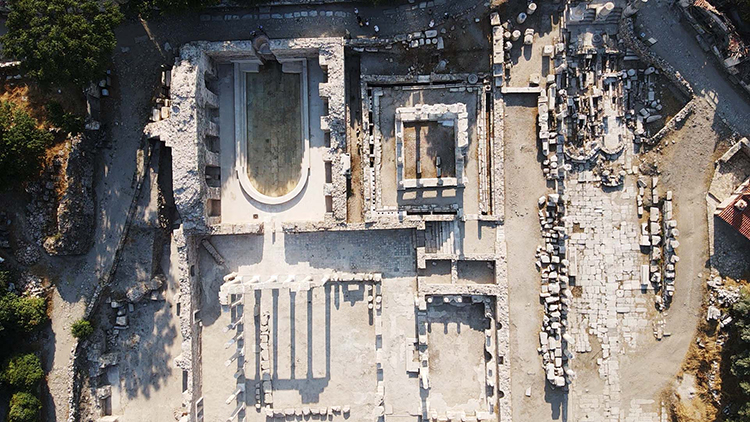
Water Flows Again After 1,900 Years in the Roman Bath of the “City of Gladiators” Stratonikeia
In a scene that revived the grandeur of antiquity, water has flowed once more into the Roman bath of Stratonikeia — known as the “City of Gladiators” — after 1,900 years. Following meticulous excavation and restoration works, the pool was refilled using its original water channel, offering visitors a rare glimpse into the engineering of
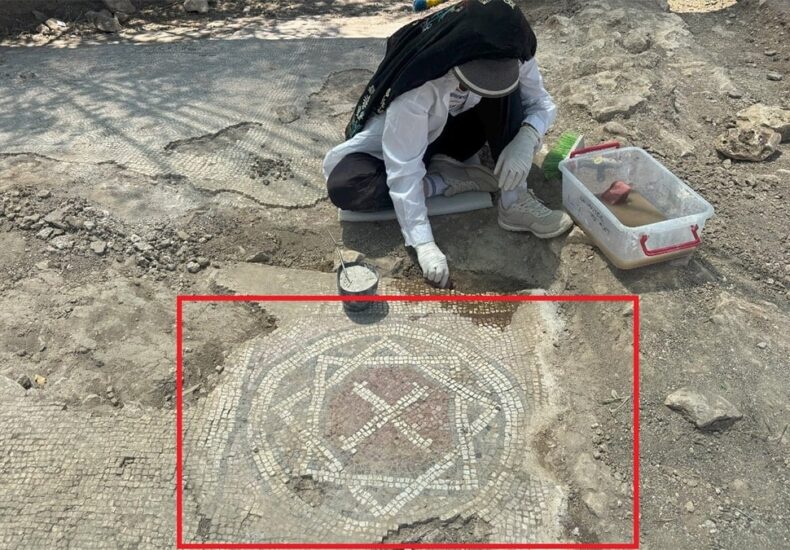
Star of David with a Cross Found in Roman-Byzantine Mosaic in Türkiye: Rare Symbolism Unearthed in Unexpected Discovery
The 35-square-meter mosaic also contains a six-line petition written in Ancient Greek In an extraordinary discovery in southeastern Türkiye, a Roman–Byzantine-era mosaic featuring a Star of David with a Christian cross embedded inside has been unearthed during a burial excavation in Ergani, Diyarbakır. The 35-square-meter mosaic floor, which also includes a six-line inscription in Ancient
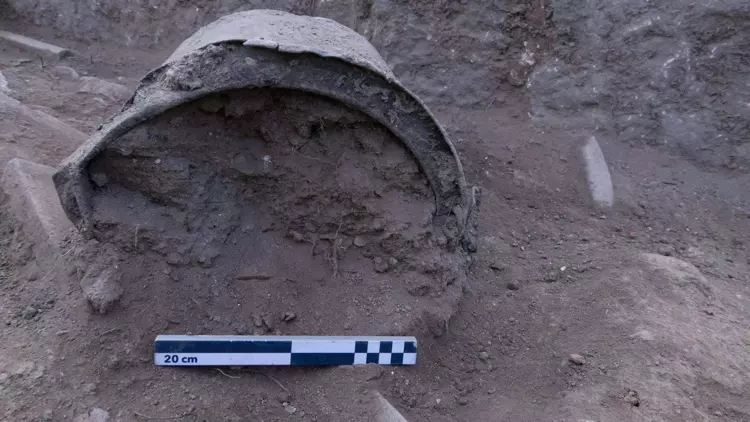
1,400-Year-Old Intact Bronze Cauldron Discovered in the Mosaic House at Pergamon
An exceptionally well-preserved bronze cauldron, dating back approximately 1,400 years, has been unearthed during archaeological excavations in the ancient city of Pergamon, located in the Bergama district of İzmir, western Türkiye. The cauldron was found in its original position, inside a pool situated in the stone courtyard of a building complex known as the “Mosaic