
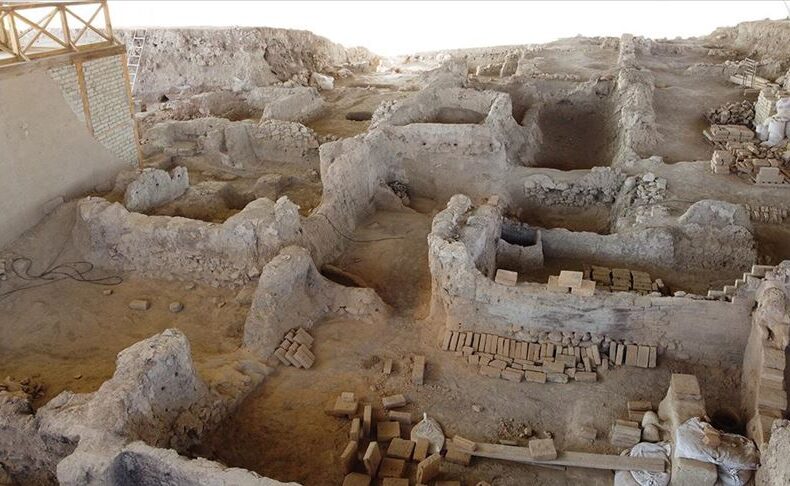
Bronze Age Breakthrough in Anatolia: 3,900-Year-Old Indigo Textile and Single-Needle Knitting Unearthed at Beycesultan
A charred scrap of fabric from western Anatolia is forcing archaeologists to rethink the technological sophistication of the Bronze Age. At Beycesultan Höyük, a major mound settlement in inland western Türkiye, researchers have identified the earliest known indigo-dyed textile in Bronze Age Anatolia—alongside the region’s first evidence of a complex single-needle knitting technique known as
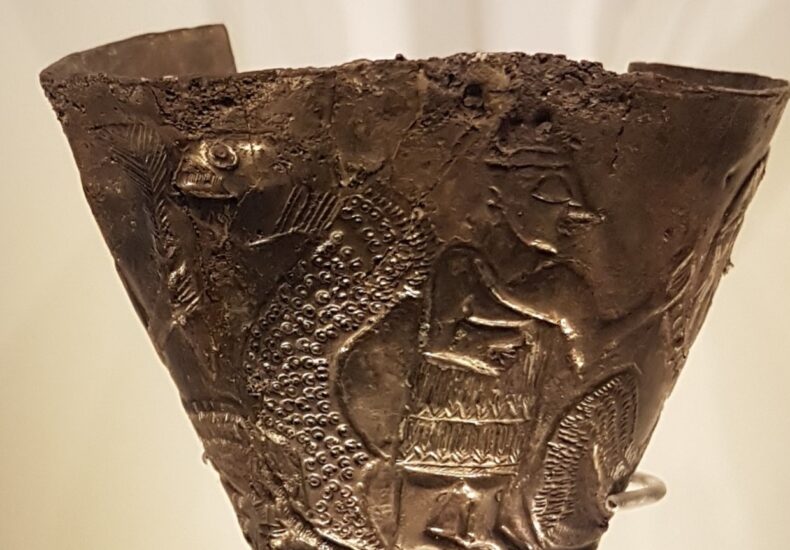
A 4,000-Year-Old Silver Goblet Links Anatolia to the Earliest Visions of Cosmic Order
A small silver cup, unearthed decades ago in the Judean Hills, has returned to the center of scholarly debate—this time with Anatolia firmly in the discussion. Known as the ʿAin Samiya Goblet, the vessel dates to the Intermediate Bronze Age (ca. 2650–1950 BCE) and bears one of the most elaborate mythological compositions known from the

Troy to Take Center Stage at Rome’s Colosseum in Major 2026 Exhibition
In 2026, one of Anatolia’s most enduring stories will unfold at the very heart of ancient Rome. A comprehensive exhibition dedicated to Troy, the UNESCO-listed archaeological site in northwestern Türkiye, will be hosted at the Colosseum Archaeological Park in Rome, one of the most visited heritage complexes in the world. The announcement was made by
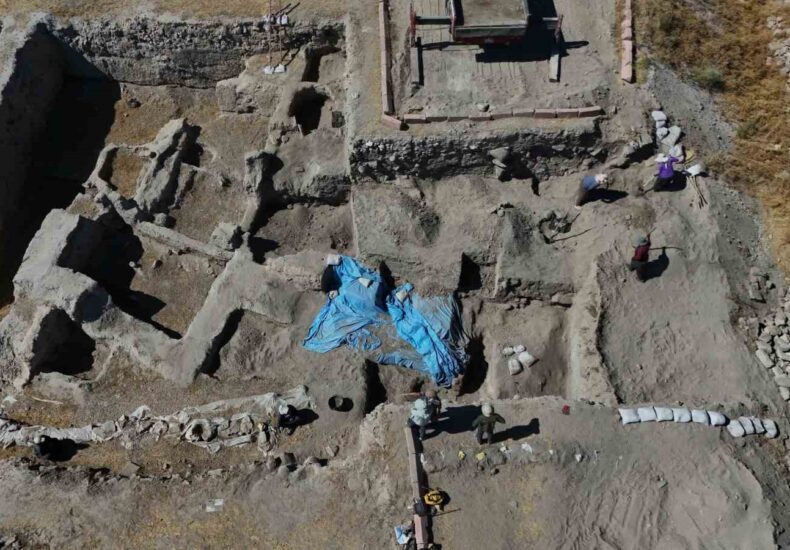
A Palace Beneath a Palace Discovered at Kültepe, Site of Anatolia’s Earliest Written Records
Excavations at Kültepe Kaniš-Karum, one of Anatolia’s most significant archaeological sites, have revealed an unexpected new layer of the past. Archaeologists have identified the remains of a monumental palace structure lying beneath a previously known palace, suggesting that centralized authority at Kültepe developed earlier—and on a larger scale—than previously understood. The discovery comes from ongoing
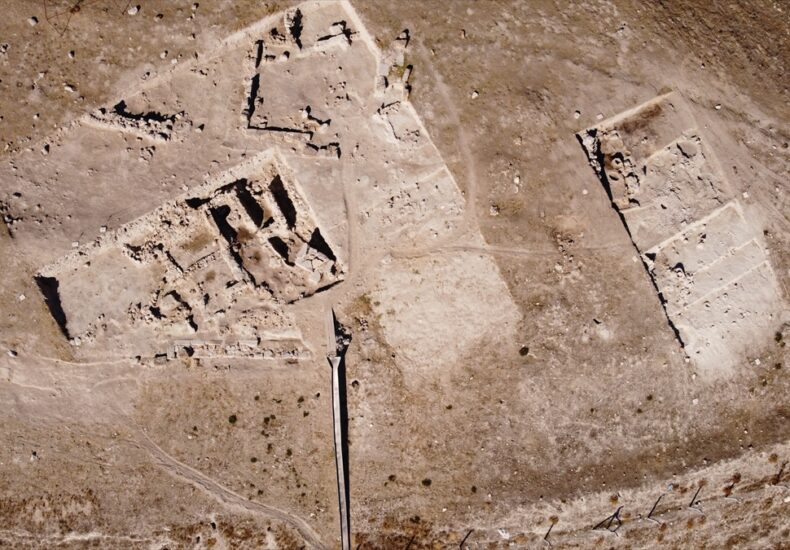
4500-Year-Old Burnt House and Hellenistic Fortress Wall Unearthed at Aşağıseyit Mound in Denizli
Located in Türkiye’s western province of Denizli, Aşağıseyit Mound stands as one of the key archaeological sites revealing uninterrupted settlement layers from the Late Chalcolithic to the Roman period. The mound, which has preserved traces of eight distinct habitation phases, continues to shed light on the cultural transitions of inner Western Anatolia — from early
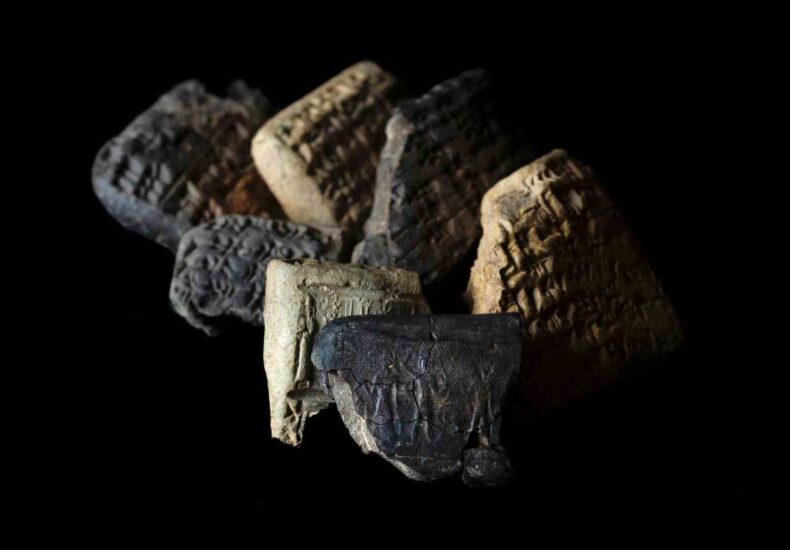
Lost Archive of the Mitanni Empire with Akkadian Cuneiform Tablets and an Unknown Hittite Prince Unearthed in Türkiye
Archaeologists have unearthed a lost archive of the Mitanni Empire, including dozens of Akkadian cuneiform tablets and seal impressions belonging to a previously unknown Hittite prince, during excavations at the ancient city of Alalakh (Aççana Höyük) in southern Türkiye’s Hatay Province. The discovery, conducted under the Heritage for the Future Project (Geleceğe Miras Projesi), sheds
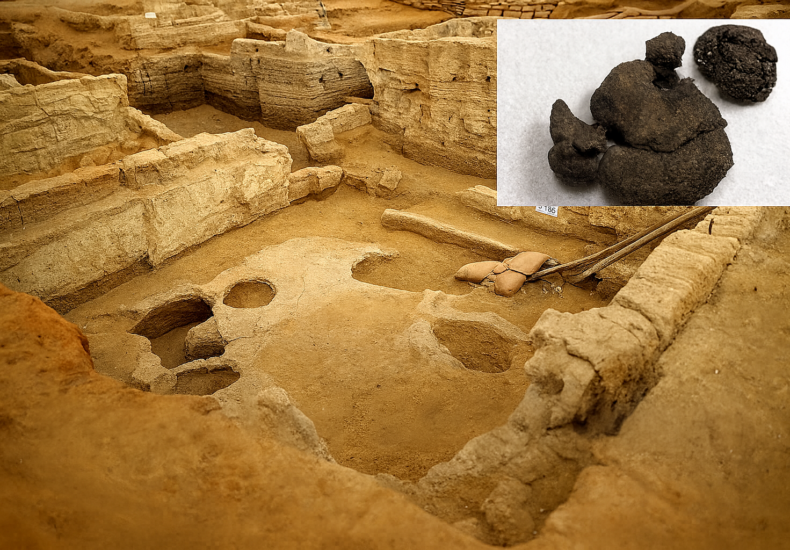
Anatolia’s Ancient Taste: 8,600-Year-Old Bread and 4,000-Year-Old Chickpeas Unearthed in Türkiye
Archaeological excavations supported by the Turkish Ministry of Culture and Tourism have brought to light the ancient taste of Anatolia, revealing extraordinary traces of the region’s early culinary and agricultural traditions. From 4,000-year-old chickpeas in Kütahya to 8,600-year-old bread remnants in Konya, these discoveries show how ancient communities cultivated, prepared, and ritualized food thousands of
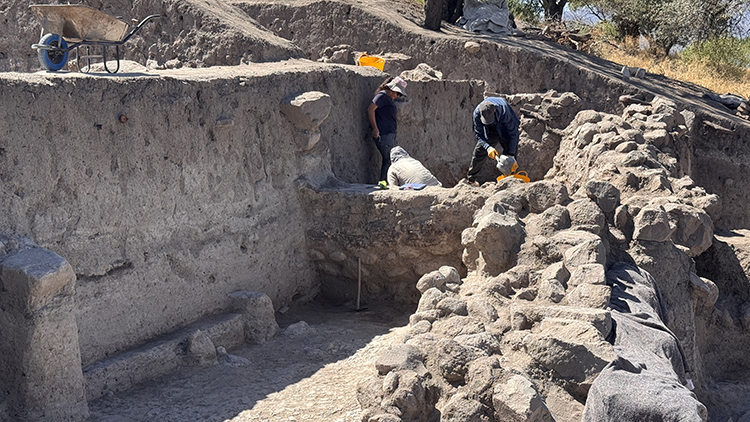
Unbroken Life Through the Ages: 8,000 Years of Continuous Settlement Unearthed at Gökhöyük in Konya
Archaeologists in Türkiye’s central province of Konya have uncovered evidence of an extraordinary 8,000-year span of continuous human habitation at Gökhöyük (also known as Kanal Höyük), located in the Seydişehir district. First identified by British archaeologist James Mellaart in 1954, the site reveals settlement layers dating from the 7th millennium BCE to the 1st millennium
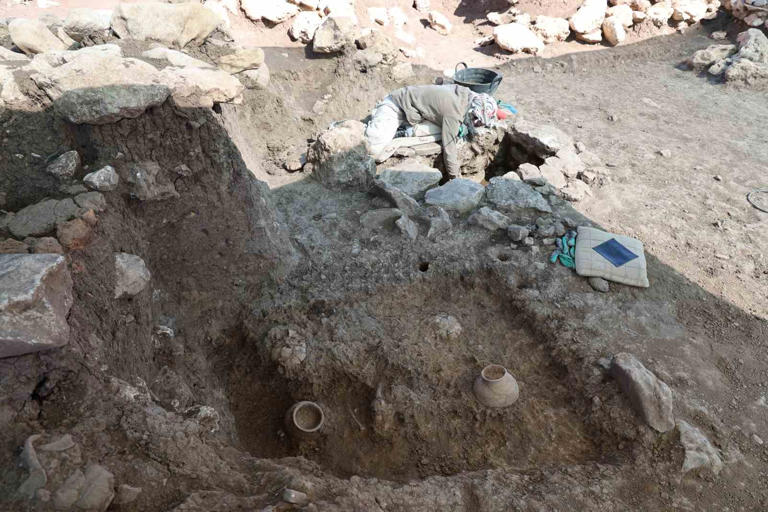
5,000- and 11,000-Year-Old Burials Unearthed at Çayönü: Shedding Light on Neolithic and Bronze Age Anatolia
Archaeologists working at the Neolithic settlement mound of Çayönü, in Ergani district of Diyarbakır, Türkiye, have unearthed six ancient burials—five from the Early Bronze Age, about 5,000 years old, and one dating back 11,000 years to the Neolithic period. The discovery provides crucial evidence of how one of humanity’s earliest farming communities buried and remembered
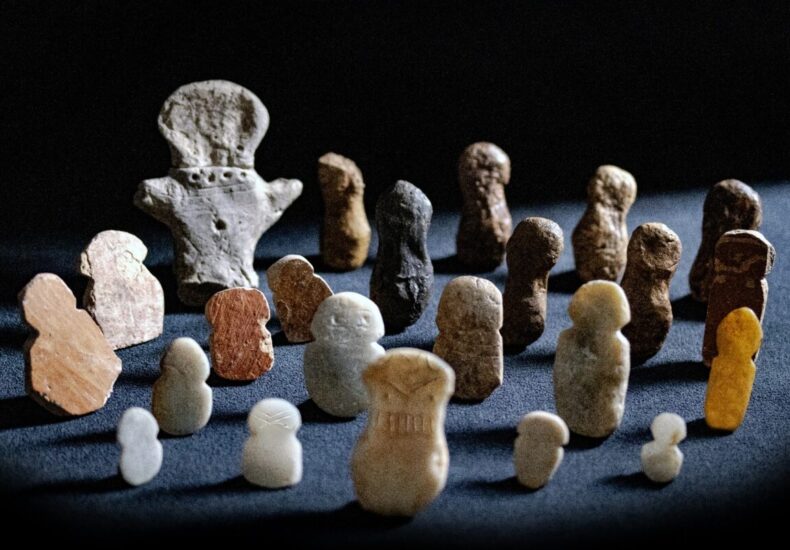
Bronze Age Idols Unearthed in Western Türkiye: 4,500-Year-Old Ritual Treasures Found at Tavşanlı Höyük
Archaeologists have uncovered a remarkable collection of 4,500-year-old human-shaped idols at Tavşanlı Höyük, one of the largest Bronze Age settlements in Western Anatolia. The discovery, announced by Culture and Tourism Minister Mehmet Nuri Ersoy, includes marble, bone, and terracotta figures that provide unprecedented insights into the spiritual and domestic life of the Early Bronze Age.