
Roadworks in Rize Reveal a Hidden 19th-Century Stone Bridge Buried Beneath the City
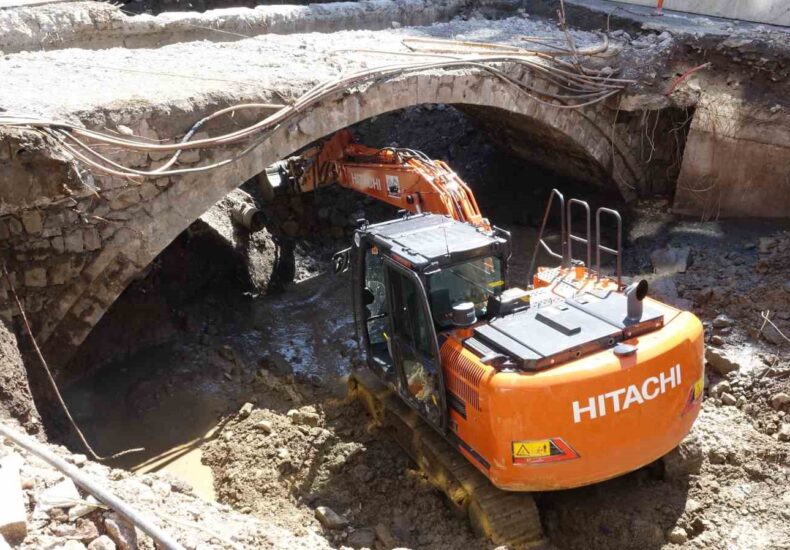
A historic stone arch bridge in Rize, long buried beneath layers of road construction, has re-emerged during ongoing urban redevelopment works. Dating back to 1826, the structure had remained hidden for decades—preserved beneath asphalt and fill—until recent excavations brought it back into view. The bridge, locally known as the “Çitanın Bridge,” was uncovered along a
600-Year-Old Rock-Cut Ottoman Endowment Inscription Restored in Amasya, Possibly Unique Worldwide
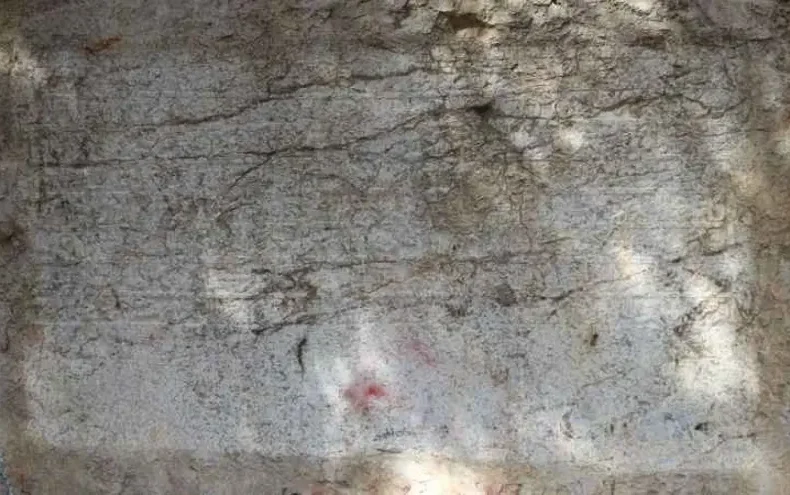
A 600-year-old Ottoman endowment inscription carved directly into natural bedrock has been restored in Amasya, northern Türkiye. Dating to 1418, the Bayezid Pasha foundation text is now readable again after years of damage, and experts say it may represent the only known example of a waqf inscription carved into living rock anywhere in the world.
147 Artifacts from 10,000-Year-Old Hasankeyf Go on Public Display for the First Time
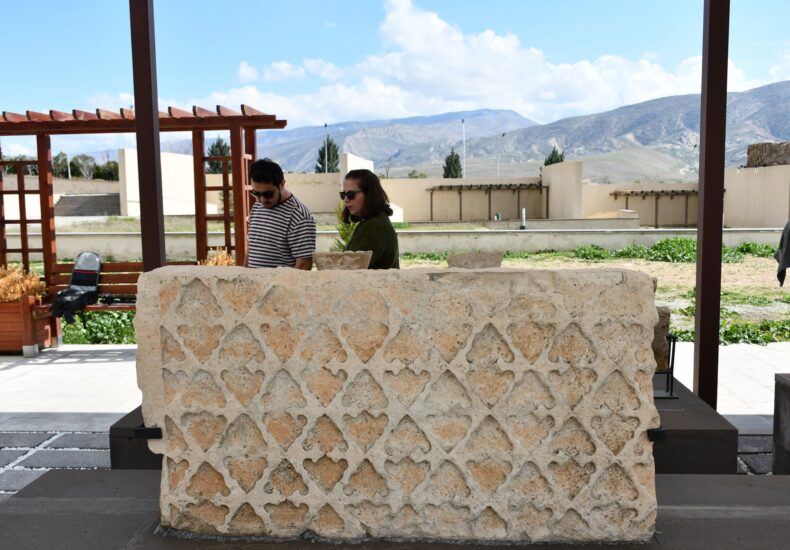
For the first time, 147 archaeological artifacts unearthed in Hasankeyf are now on public display, offering visitors a rare, long-overdue encounter with one of Upper Mesopotamia’s deepest historical archives. Previously kept in storage, the collection has been brought into view as part of a new exhibition initiative at the Hasankeyf Museum. The display forms the
Under the Blazing Sun, It All Began: The First Day of the Patara Lighthouse Excavation
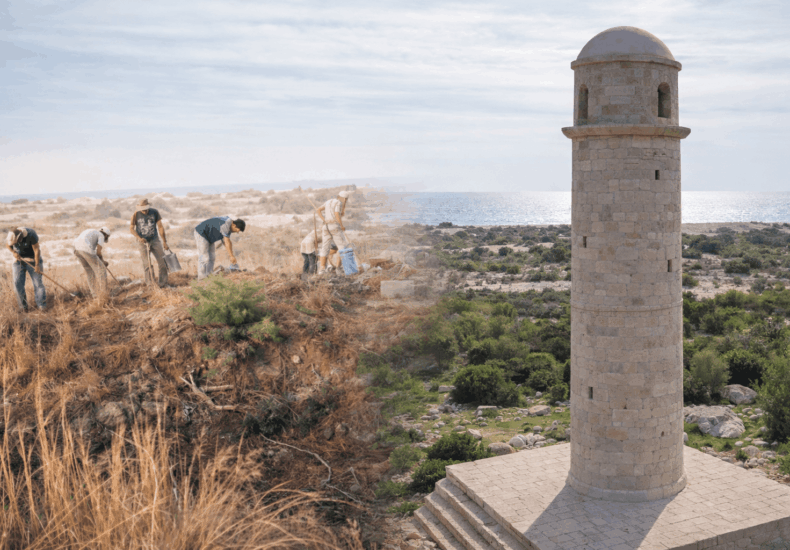
The Patara Lighthouse excavation began under a blazing July sun in 2004, as a small team of archaeologists and students pushed through sand and heat with little indication of what lay beneath. There was no road, no visible structure—only dunes stretching toward the sea. But even then, there was a growing sense that this was
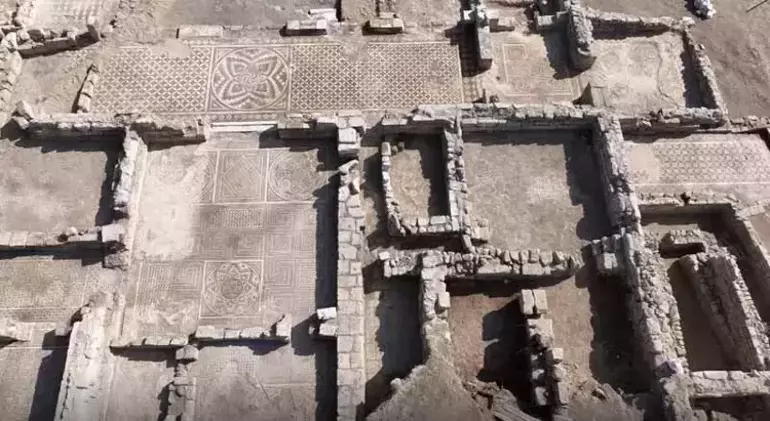
Central Anatolia’s Largest Mosaic Site Officially Declared an Archaeological Area in Kayseri
A major archaeological site in central Türkiye has gained official protection status after years of excavation revealed one of the region’s most extensive mosaic complexes. The mosaic structure uncovered in Örenşehir, İncesu (Kayseri)—described as the largest of its kind in Central Anatolia—has now been formally designated as an “archaeological site” (ören yeri), marking a significant
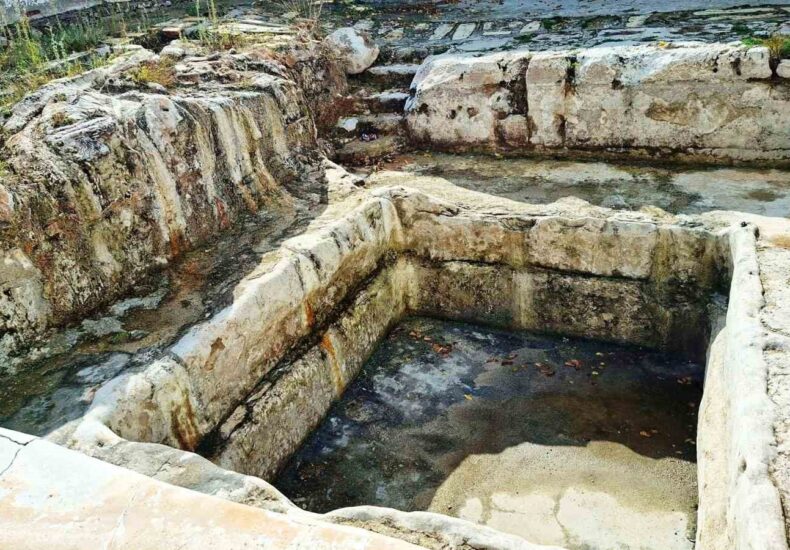
Ancient Roman Bath in Kütahya Faces Collapse as Neglect Deepens
A rock-cut Roman bath in western Türkiye, once believed to have healing properties, is now on the brink of disappearance after years of neglect in the village of Sefaköy, Kütahya. Hidden in the rural landscape of Hisarcık district, the structure—carved directly into natural rock during the Roman period—has long been known among locals for its
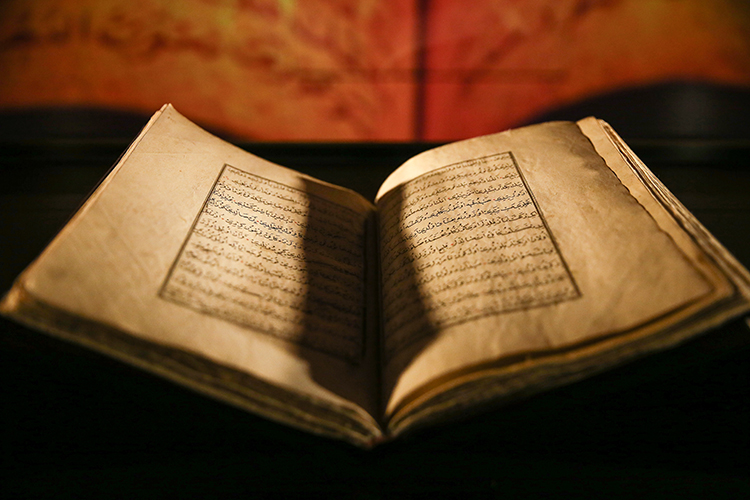
Rare Dede Korkut Manuscript Donated Unknowingly in Bursa May Gain UNESCO Recognition
One of the most important literary treasures of the Turkic world—an extremely rare manuscript of the Book of Dede Korkut—has resurfaced in an unexpected way in Bursa, Türkiye. The manuscript, donated to a museum by a collector who initially did not realize its significance, is now recognized as one of the few surviving copies of

A Unique Artuqid-Era Ivory Archer’s Ring Discovered at Hasankeyf’s Great Palace
Archaeological excavations at Hasankeyf during the 2025 field season have yielded an exceptional discovery that sheds new light on elite culture in medieval Anatolia. In the southeastern corner of the Great Palace complex, researchers uncovered a rare ivory archer’s ring (zihgir) dating to the Artuqid period (12th–13th century)—a find described as unique both in material
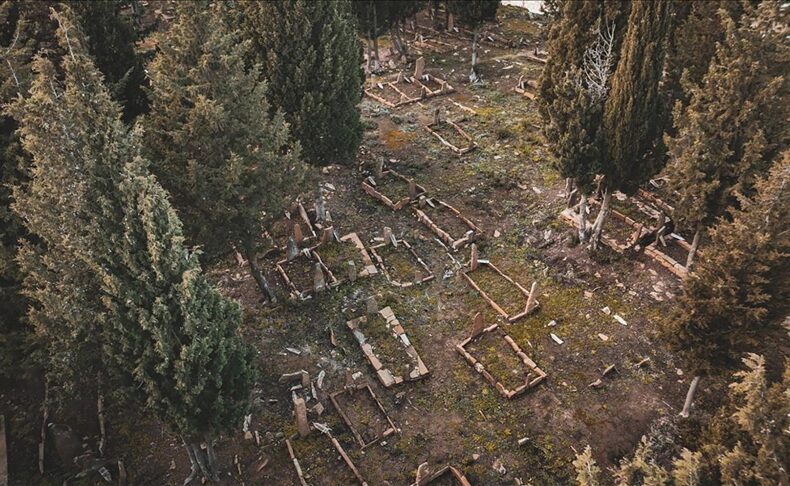
8,700 Early Turkish Akıncı Graves Unearthed at Gallipoli, Illuminating Europe’s 14th-Century Frontier
Archaeological research on the Gelibolu (Gallipoli) Peninsula has revealed a discovery of exceptional historical weight: a vast cemetery belonging to the first Turkish raiders who crossed from Anatolia into Rumelia during the early 14th century. Identified near Küçükanafarta village in the Eceabat district, the burial ground documents the earliest known physical footprint of Turks in
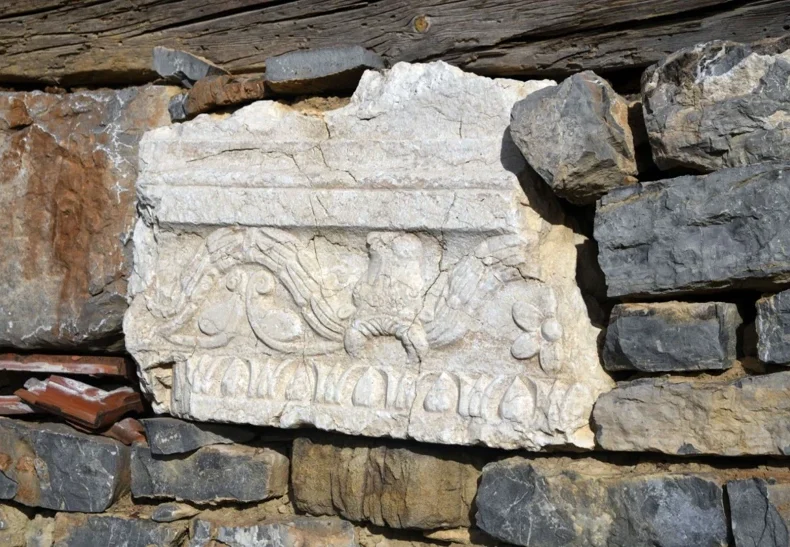
Villagers Used Stones from a Zeus Temple to Build Their Homes
In northern Anatolia, the remains of an ancient Roman sanctuary have resurfaced in a way few would expect. In the Daday district of Kastamonu, villagers once took stones from a temple dedicated to Zeus and reused them in the construction of their homes, embedding fragments of a sacred monument into everyday domestic architecture. The site