
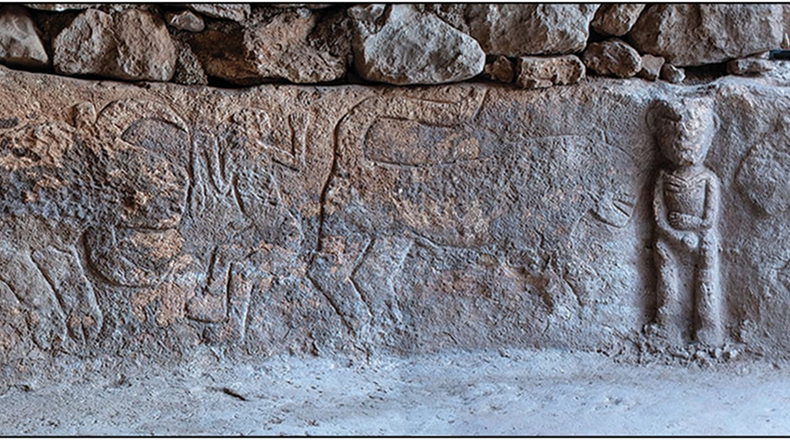
Was Göbeklitepe Really About Male Power? New Study Reframes Taş Tepeler Rituals
For decades, the towering stone pillars of southeastern Türkiye have been read through a familiar lens: power, dominance, fertility cults, and the early emergence of male authority. The monumental sites of the Taş Tepeler region—especially Göbeklitepe—have often been interpreted as visual declarations of masculinity carved in stone. But what if that assumption says more about
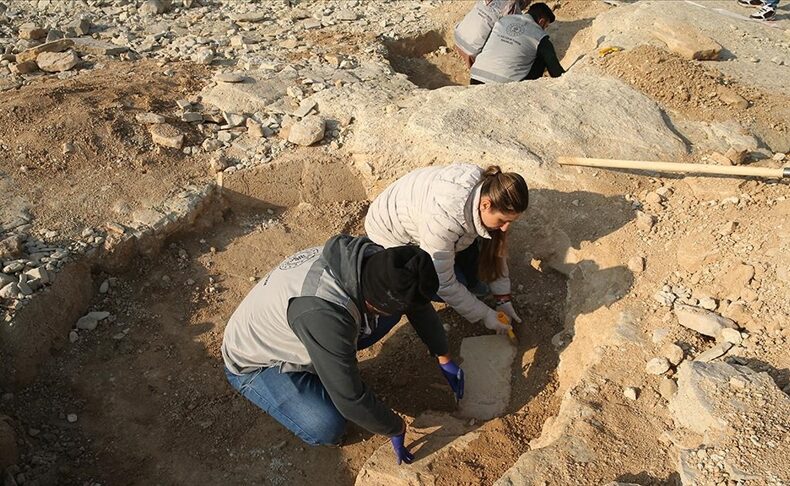
T-Shaped Stones Surface Near the Euphrates, Pointing to a Wider Taş Tepeler Network
A newly identified Neolithic site in southeastern Türkiye, near the Upper Euphrates River, is adding weight to the idea that the monumental tradition associated with Göbeklitepe extended far beyond its previously known boundaries. As water levels dropped in the Atatürk Dam reservoir, stone structures began to surface along the shoreline near Kızılöz village in the
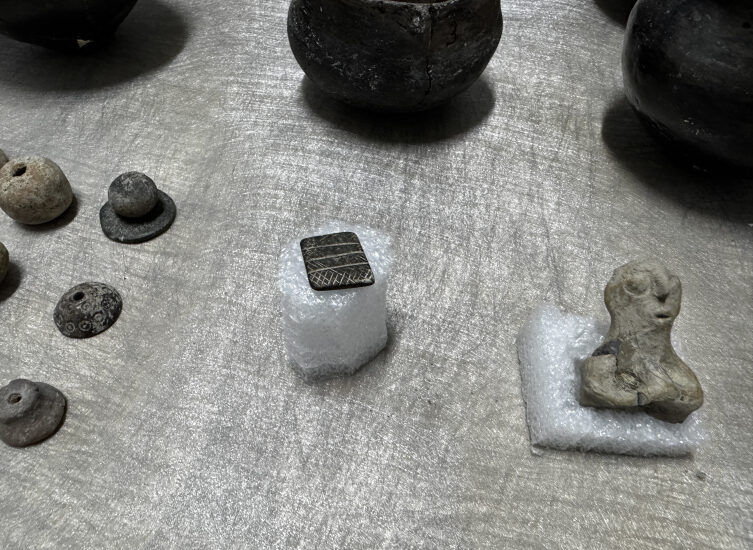
7,500-Year-Old Stone Seal Unearthed at Tadım Höyük in Eastern Anatolia
Archaeologists excavating Tadım Höyük, a multi-layered settlement mound in eastern Anatolia, have uncovered a rare stone seal dating back approximately 7,500 years, offering new insight into early social organization along the Upper Euphrates Basin. The discovery reinforces the region’s role as one of Anatolia’s earliest and most enduring centers of human settlement. The excavations are
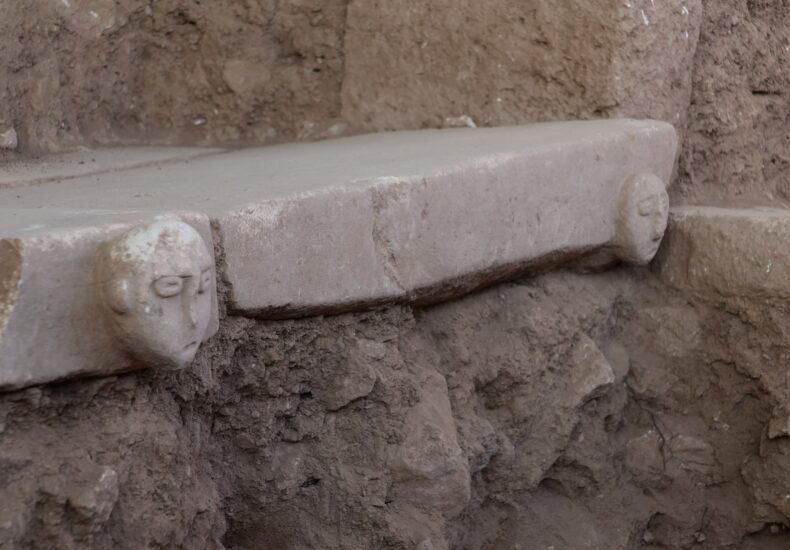
At Sefertepe, Tiny Carvings and a 10,000-Year-Old Skull Room Reveal an Unexpected Symbolic World
The first days of the 2025 excavation season at Sefertepe were expected to bring steady progress, not paradigm-shifting discoveries. Yet on a gentle rise overlooking the plains of Viranşehir, two deceptively small finds—a micro-carved basalt bead and a compact limestone block with dual faces—have redirected scholarly attention toward this lesser-known corner of the Taş Tepeler
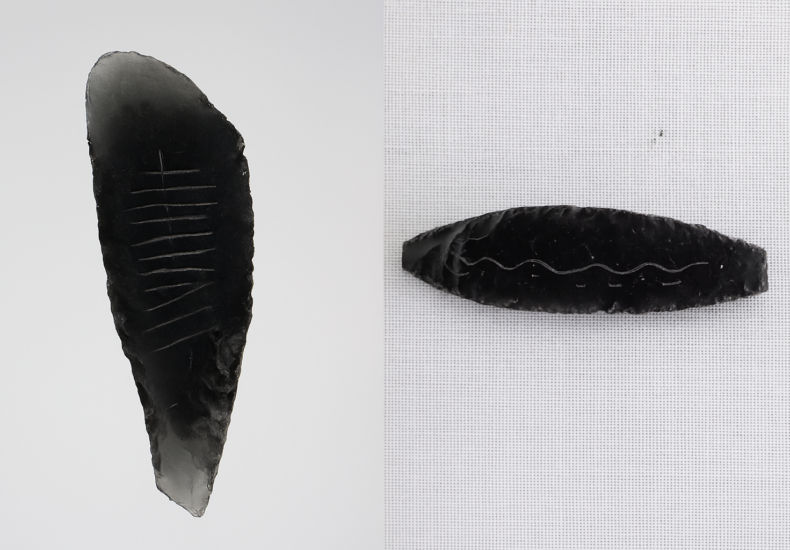
8,500-Year-Old Obsidian Mirrors Unearthed at Canhasan, Home to Anatolia’s Oldest Known Street
The Neolithic settlement of Canhasan in Karaman—long recognized for preserving Anatolia’s oldest known street—has yielded an extraordinary new discovery. During this year’s excavations, archaeologists uncovered a set of finely crafted obsidian mirrors dating back 8,500 years, along with decorated obsidian tools that reveal a distinct symbolic tradition within Central Anatolia’s early farming communities. A Settlement
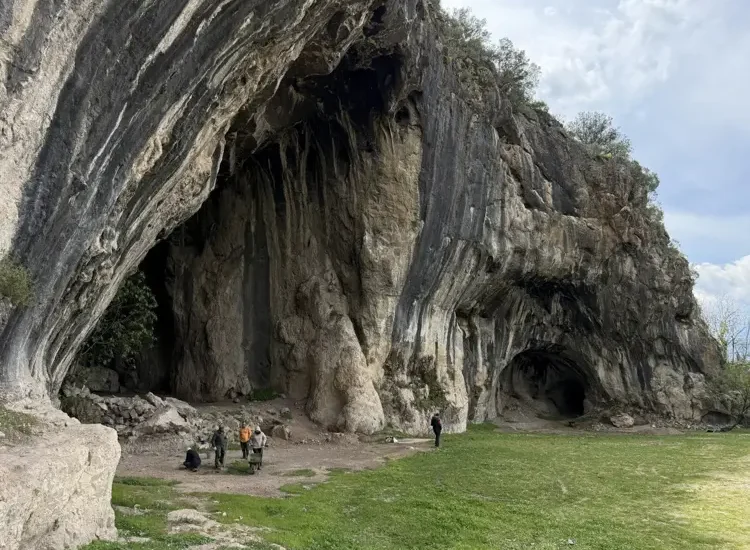
A New Study Illuminates How Neolithic Lifeways Spread from Anatolia to the Aegean and Europe
A sweeping new analysis published in Science is reshaping our understanding of how early farming traditions radiated outward from Anatolia. The study sheds light on long-debated questions about how Neolithic lifeways moved from Anatolia to the Aegean and eventually Europe, revealing a far more intricate story than the linear models once proposed. Western Anatolia as
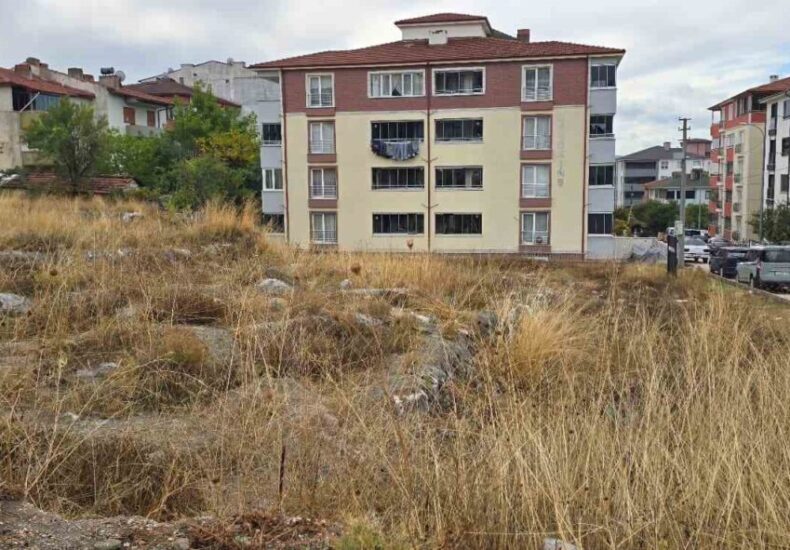
Forgotten Neolithic Settlement in Bilecik: 9,000 Years of History Hidden Beneath the Grass
In western Türkiye, an archaeological discovery once hailed as a milestone in Neolithic research now lies buried under weeds. The 9,000-year-old settlement unearthed in Bilecik’s Bahçelievler district — among the earliest known farming communities of western Anatolia — has been left unprotected, sparking calls from historians and locals to transform it into an open-air museum
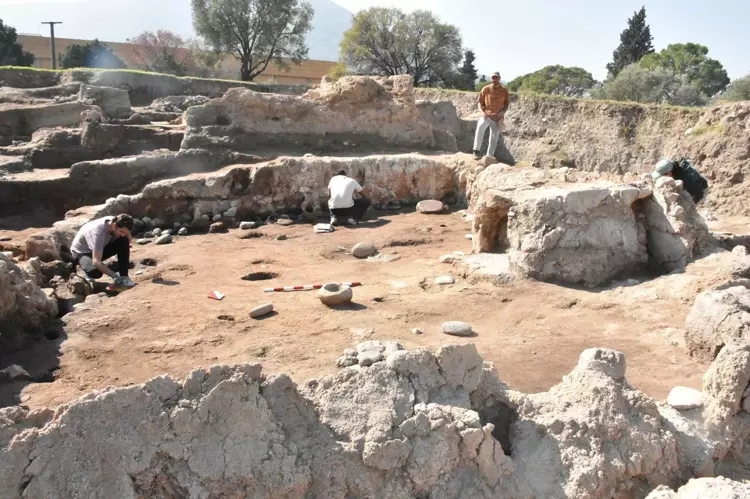
8,000-Year-Old Ceramic Workshop Unearthed in İzmir’s Ulucak Höyük Reveals Early Specialized Production
In the heart of modern industrial İzmir, surrounded by nearly 500 factories, archaeologists have brought to light a remarkable echo of humanity’s first producers. At Ulucak Höyük — the oldest known settlement in the region, dating back 8,850 years — a specialized ceramic production complex from 8,000 years ago has been unearthed. Led by Prof.
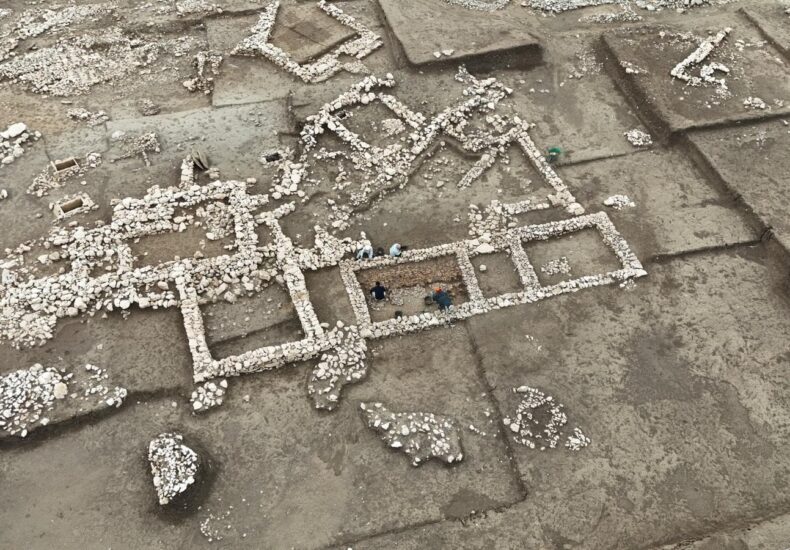
5,000-Year-Old Earthquake Collapse Uncovered at Çayönü Mound in Southeastern Türkiye
Archaeologists excavating the prehistoric settlement of Çayönü Tepesi in Diyarbakır’s Ergani district have uncovered the remains of a building that collapsed during a powerful earthquake roughly 5,000 years ago — a rare glimpse into the seismic past of one of Anatolia’s earliest farming communities. Layers of a Forgotten Tremor The discovery was announced by Assoc.
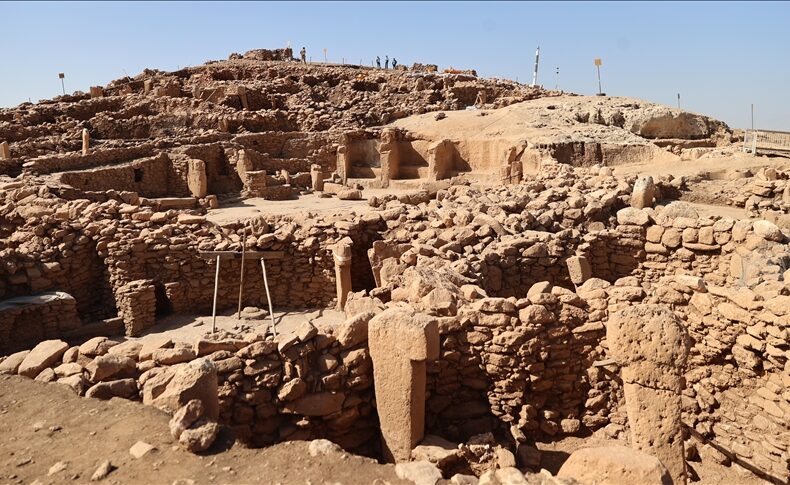
Daily Life Unearthed at Karahantepe: Over 30 Neolithic Dwellings Discovered in Southeastern Türkiye
Archaeologists excavating the Neolithic site of Karahantepe in Şanlıurfa — one of the key locations within the Taş Tepeler (Stone Hills) Project — have uncovered more than 30 small dwellings dating back 11,000 years. The discovery reveals that this ancient settlement was not only a place of monumental architecture and ritual but also home to