
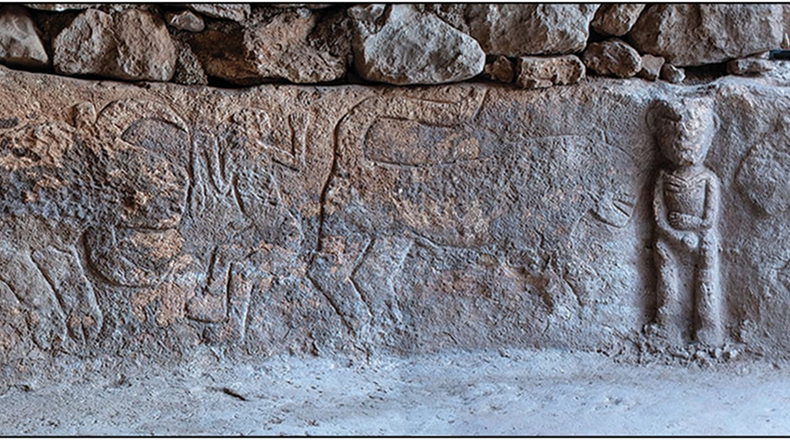
Was Göbeklitepe Really About Male Power? New Study Reframes Taş Tepeler Rituals
For decades, the towering stone pillars of southeastern Türkiye have been read through a familiar lens: power, dominance, fertility cults, and the early emergence of male authority. The monumental sites of the Taş Tepeler region—especially Göbeklitepe—have often been interpreted as visual declarations of masculinity carved in stone. But what if that assumption says more about
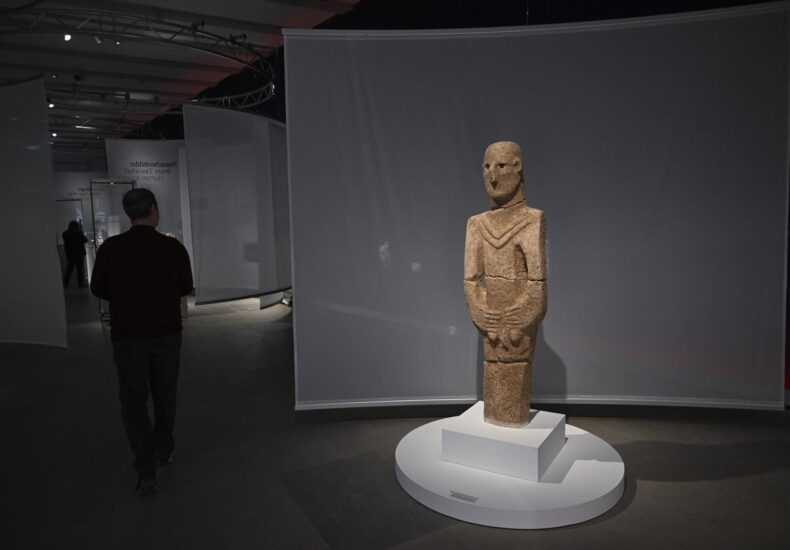
The Beginning of Human History in Berlin: Göbeklitepe and Taş Tepeler Exhibition Opens
The story of humanity’s earliest communities is now unfolding in the heart of Europe. On February 10, a major exhibition dedicated to Göbeklitepe and the wider Taş Tepeler region opens in Berlin, bringing 12,000 years of history to an international audience. Titled “The Discovery of Society: Life 12,000 Years Ago at Göbeklitepe and the Taş
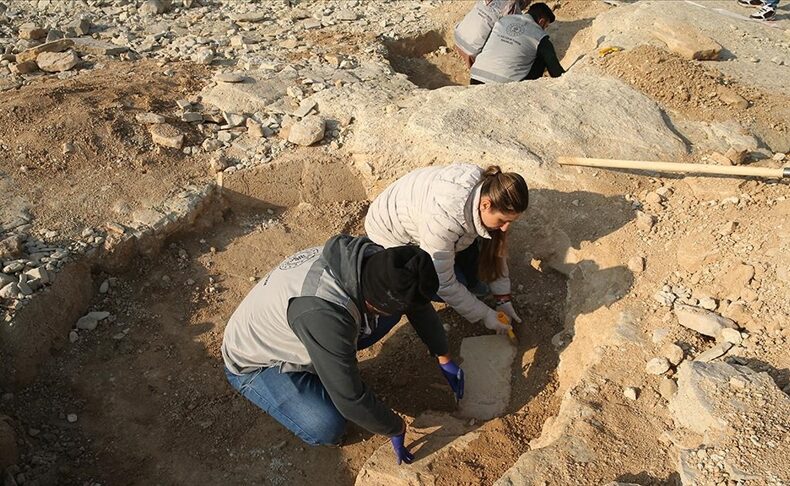
T-Shaped Stones Surface Near the Euphrates, Pointing to a Wider Taş Tepeler Network
A newly identified Neolithic site in southeastern Türkiye, near the Upper Euphrates River, is adding weight to the idea that the monumental tradition associated with Göbeklitepe extended far beyond its previously known boundaries. As water levels dropped in the Atatürk Dam reservoir, stone structures began to surface along the shoreline near Kızılöz village in the
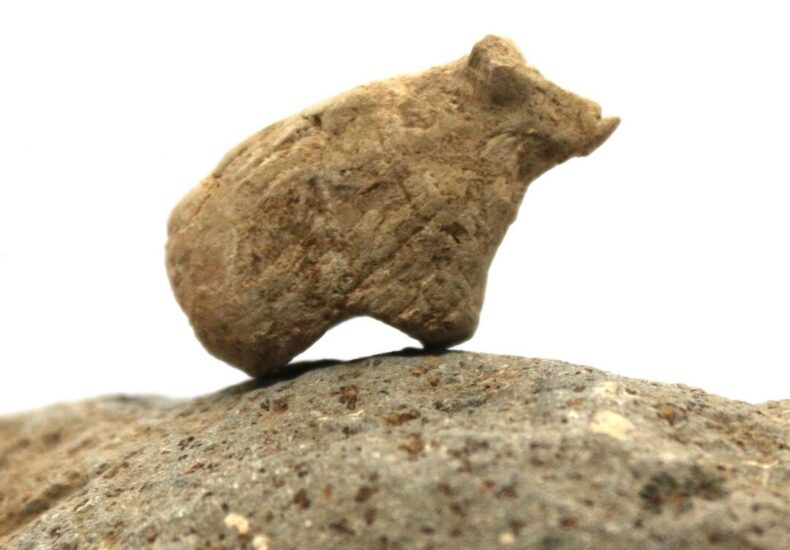
The 9,000-Year-Old Figurines of Gürcütepe Illuminate Life After Göbeklitepe
The first light over the Harran Plain has a way of turning everything into pale gold. From a distance, Gürcütepe looks like nothing more than a gentle rise in the landscape—quiet, unassuming, easy to miss. Yet beneath its surface lies one of the most revealing chapters in the story of how early societies redefined themselves
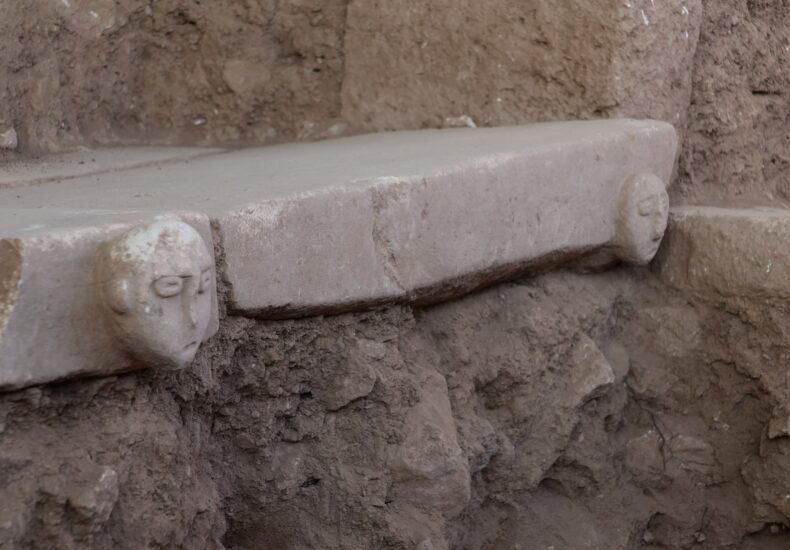
At Sefertepe, Tiny Carvings and a 10,000-Year-Old Skull Room Reveal an Unexpected Symbolic World
The first days of the 2025 excavation season at Sefertepe were expected to bring steady progress, not paradigm-shifting discoveries. Yet on a gentle rise overlooking the plains of Viranşehir, two deceptively small finds—a micro-carved basalt bead and a compact limestone block with dual faces—have redirected scholarly attention toward this lesser-known corner of the Taş Tepeler
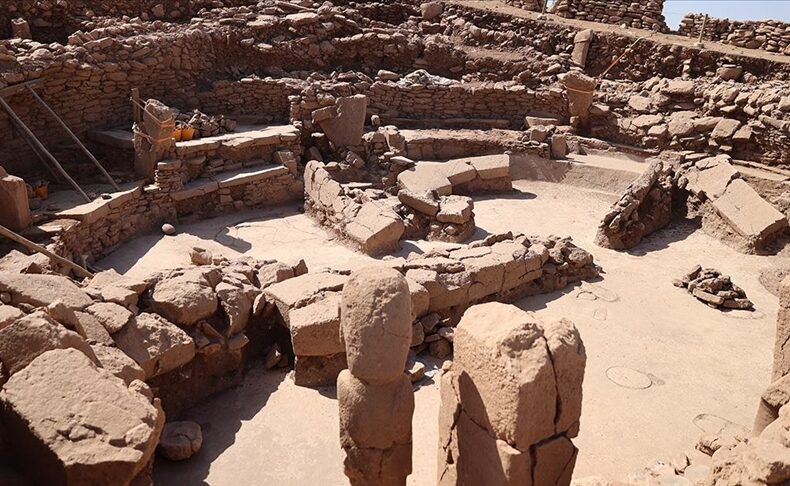
An amphitheater-like Neolithic structure has been uncovered at Karahantepe in southeastern Türkiye
Archaeologists in southeastern Türkiye have brought to light a striking Neolithic structure at Karahantepe—a circular, amphitheater-like building carved into bedrock and lined with tiered stone benches, human sculptures, and sculpted heads emerging from its walls. The find opens an unexpected window onto how some of the world’s earliest settled communities gathered, communicated, and expressed shared
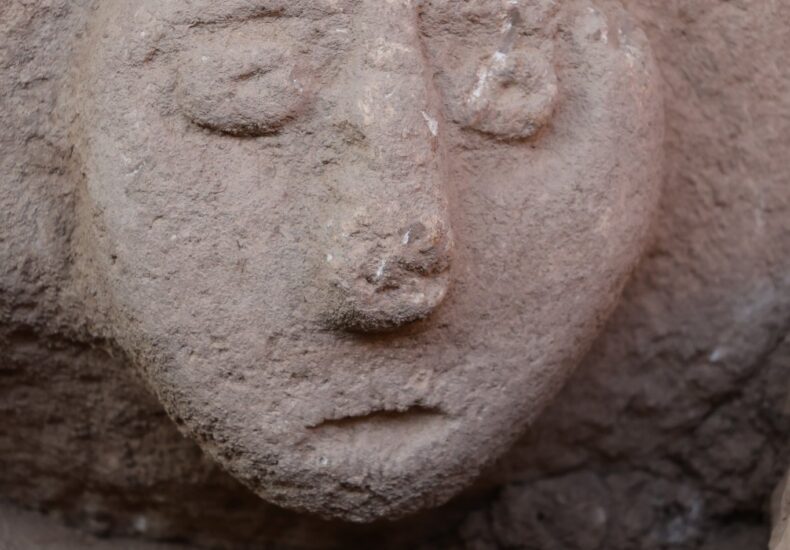
A New Wave of Neolithic Surprises at Taş Tepeler: Mysterious ‘Death Mask’ Sculpture Unveiled in Southeastern Türkiye
Human-like faces carved into stone, a rare double-sided bead, and an unsettling sculpture evoking the stillness of death—Türkiye’s vast Taş Tepeler region has revealed some of its most enigmatic Neolithic discoveries to date. The announcements came this week in Şanlıurfa, where the Ministry of Culture and Tourism shared 30 previously unknown finds that reshape current
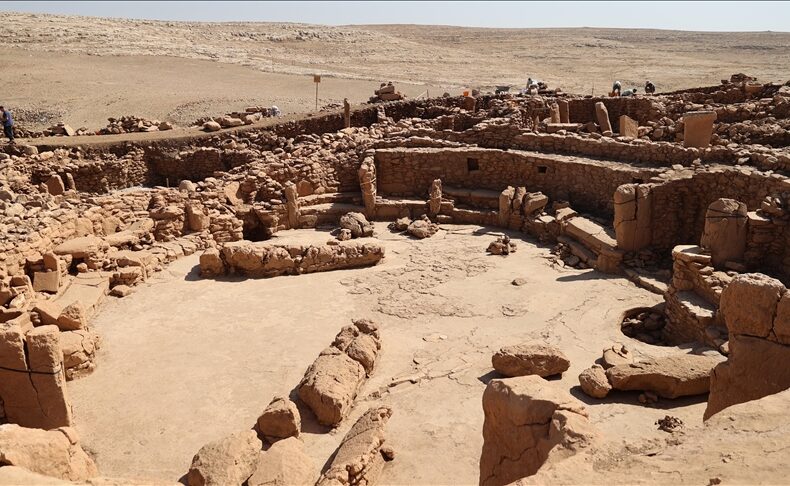
Karahantepe Offers Clues That Göbeklitepe Was More Than a Ritual Site
New excavations at Karahantepe, one of the key sites of the Taş Tepeler Project in southeastern Türkiye, are reshaping how archaeologists interpret the world’s earliest monumental centers.According to excavation director Prof. Dr. Necmi Karul, the newly uncovered structures suggest that these places were not only used for rituals but also formed part of organized Neolithic
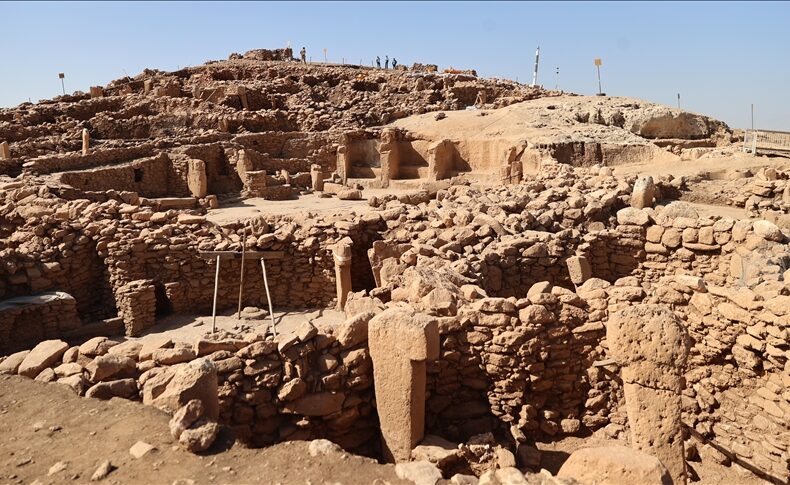
Daily Life Unearthed at Karahantepe: Over 30 Neolithic Dwellings Discovered in Southeastern Türkiye
Archaeologists excavating the Neolithic site of Karahantepe in Şanlıurfa — one of the key locations within the Taş Tepeler (Stone Hills) Project — have uncovered more than 30 small dwellings dating back 11,000 years. The discovery reveals that this ancient settlement was not only a place of monumental architecture and ritual but also home to
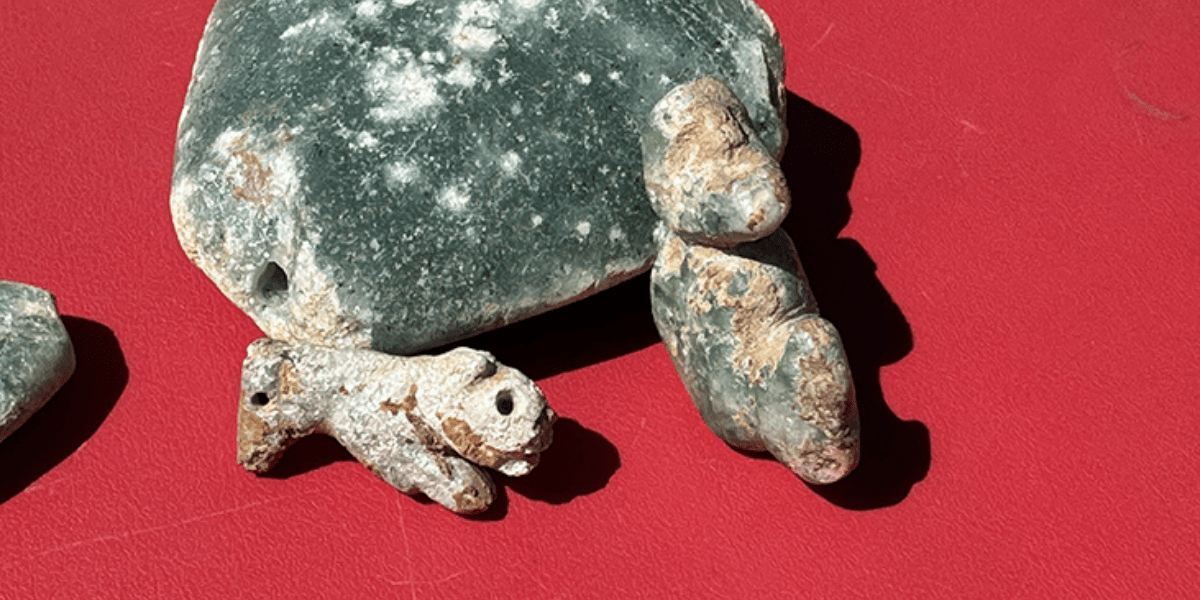
Two 10,000-year-old ornaments with leopard, vulture and human figures found in Sefertepe excavations
During the ongoing excavations at Sefertepe in Şanlıurfa, two ornaments, one with a leopard, the other with a vulture and human figures, dating back to approximately 10 thousand years ago, were discovered. The excavations at Sefertepe are being carried out within the scope of the “Stone Hills” project under the direction of Assoc. Prof. Dr.