
Only Foundations Remain of 2,100-Year-Old Zeus Temple After Looting Damage
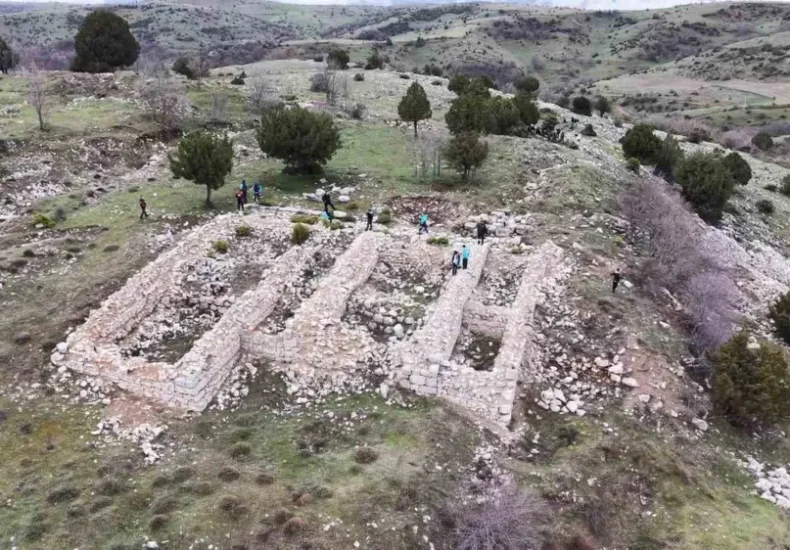
A 2,100-year-old Zeus temple in Amasya, recognized as the only known example of its kind in Türkiye’s Black Sea region, has been reduced to little more than its foundation stones, after years of neglect and repeated illegal excavations that have gradually eroded what once stood on one of the area’s most commanding hilltops.
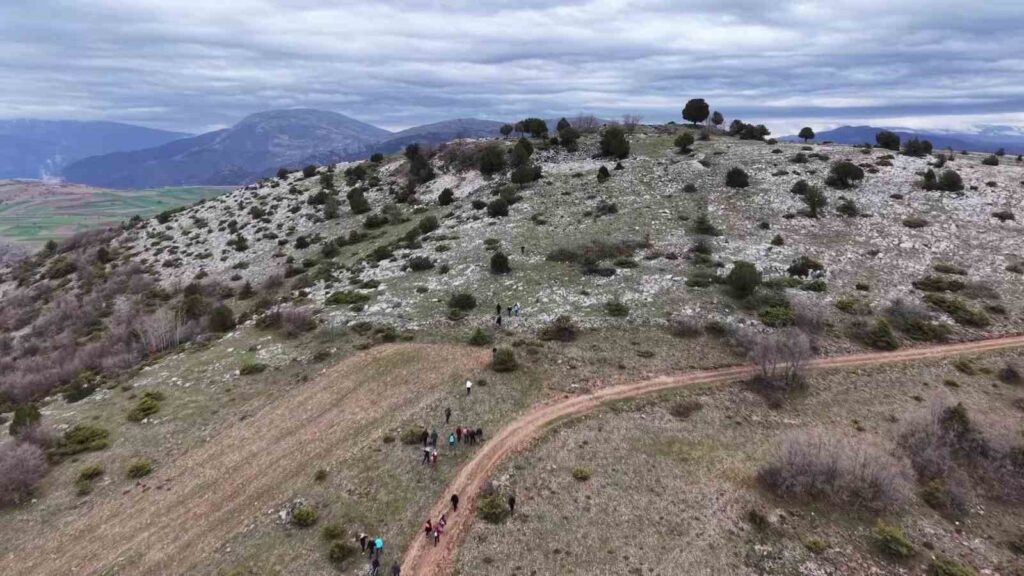
Located near Yassıçal village at an altitude of around 1,300 meters, the site still dominates the surrounding landscape visually, yet the structure itself has almost entirely vanished, leaving behind only faint traces of its original layout.
A rare sanctuary in northern Anatolia
The temple was dedicated to Zeus Stratios, a form of the chief Roman deity associated with protection, particularly in military contexts, and while such sanctuaries were once common across parts of Anatolia, their presence in the Black Sea region has always been limited.
That is precisely what sets this site apart.
It is not simply another ruined structure, but the only confirmed Zeus temple in this region, making it an important marker for understanding how Roman religious practices extended into northern Anatolia.
📣 Our WhatsApp channel is now LIVE! Stay up-to-date with the latest news and updates, just click here to follow us on WhatsApp and never miss a thing!!
Even in its current condition, the site carries weight—not through visible grandeur, but through what it represents historically.
Excavated once, then left unprotected
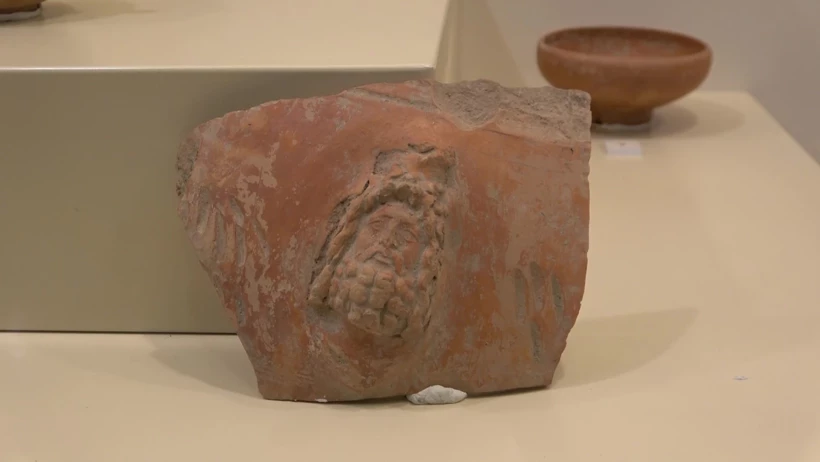
The only documented archaeological work at the site took place in 2006, when the Amasya Museum carried out a short rescue excavation lasting approximately 40 days, during which coins, ceramic fragments, and oil lamps were uncovered and later transferred to the museum.
Beyond that limited intervention, no long-term excavation or conservation effort followed, and the site was left exposed without any meaningful protective measures.
Over time, that exposure has proven costly.
A site gradually shaped by looting
In the absence of monitoring, the temple area has increasingly attracted treasure hunters, drawn by the assumption that valuable artifacts may still lie beneath the surface.
Unlike large-scale monumental ruins that can withstand a degree of disturbance, this site survives only at ground level, meaning that each unauthorized excavation directly damages what remains of the archaeological record, often in ways that cannot be reversed.
Renewed calls for action
Concern over the site’s condition has begun to resurface in recent months. Haluk İpek, a member of parliament representing Amasya, has stated that efforts should be made to restore the temple and make it accessible to the public, emphasizing the importance of preserving such heritage for future generations.
His remarks came during a cultural walk organized along a route connecting the temple with the nearby Lokman Hekim Tomb, where participants were given background information about the site.
What remains—and what may soon disappear
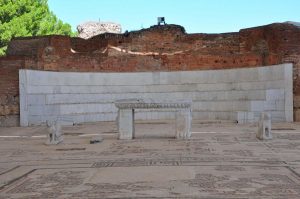
Today, the temple exists only as an outline on the ground, with scattered stones marking where walls once stood, while the hill itself continues to overlook the landscape much as it did two millennia ago.
Yet without intervention, even these limited traces are at risk.
Erosion will continue, and so will illegal digging. The site does not require a dramatic event to disappear entirely; gradual loss may be enough.
- A 1700-year-old statue of Pan unearthed during the excavations at Polyeuktos in İstanbul
- The granary was found in the ancient city of Sebaste, founded by the first Roman emperor Augustus
- Donalar Kale Kapı Rock Tomb or Donalar Rock Tomb
- Theater emerges as works continue in ancient city of Perinthos
- Urartian King Argishti’s bronze shield revealed the name of an unknown country
- The religious center of Lycia, the ancient city of Letoon
- Who were the Luwians?
- A new study brings a fresh perspective on the Anatolian origin of the Indo-European languages
- Perhaps the oldest thermal treatment center in the world, which has been in continuous use for 2000 years -Basilica Therma Roman Bath or King’s Daughter-
- The largest synagogue of the ancient world, located in the ancient city of Sardis, is being restored
Leave a Reply