Roman-Era Cemetery in Egypt’s Minya Reveals Gold Tongues and Homer’s Iliad Papyrus
In a newly uncovered Roman-era cemetery in Egypt’s Minya province, archaeologists noticed something unusual. Inside the mouths of several mummies were small, carefully shaped tongues made of gold.
The discovery, made at the ancient site of Al-Bahansa—known in antiquity as Oxyrhynchus—offers rare physical evidence of afterlife beliefs in a region where Egyptian, Greek, and Roman traditions once coexisted.
The excavation was led by researchers from the University of Barcelona in collaboration with the Institute of the Ancient East, under the direction of Maite Mascort and Esther Pons Mellado. Their work has revealed a layered and symbolic funerary landscape rather than a conventional burial ground.
A Voice for the Afterlife
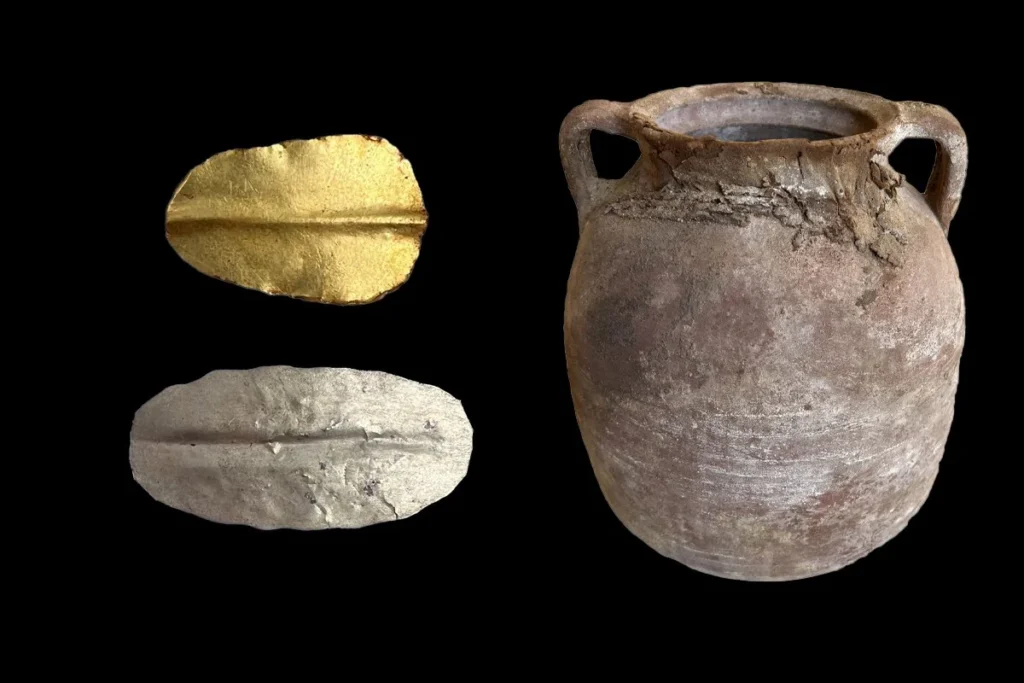
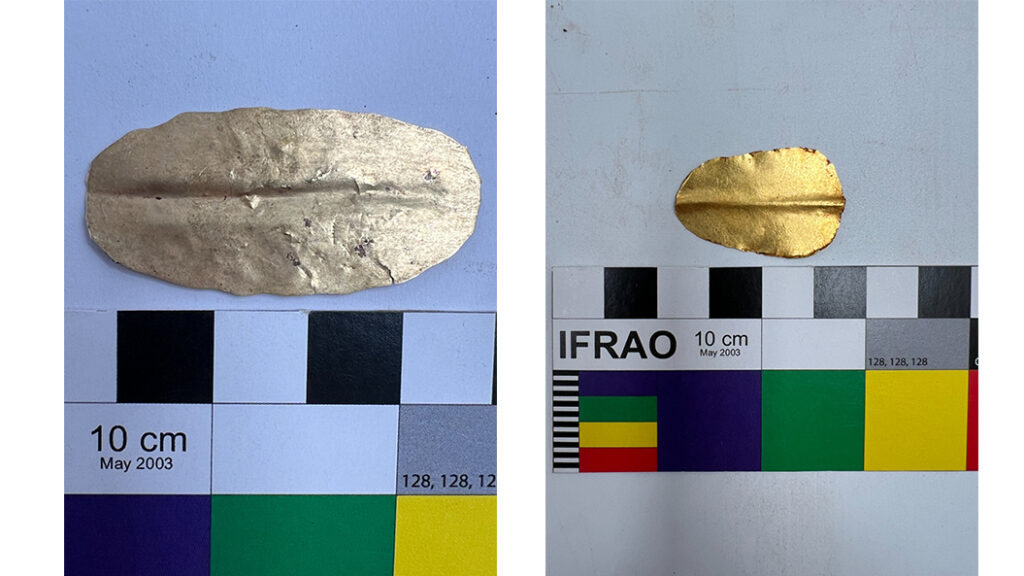
Among the most striking finds were the metal tongues placed inside the mouths of the dead. Most were crafted from gold, with at least one example made of bronze. Archaeologists link these objects to the belief that the deceased needed the ability to speak in the afterlife, possibly to address divine judges or navigate the next world.
📣 Our WhatsApp channel is now LIVE! Stay up-to-date with the latest news and updates, just click here to follow us on WhatsApp and never miss a thing!!
This idea is known from ancient texts, but discoveries like this provide something more direct, clear archaeological proof of a ritual long described but rarely seen.
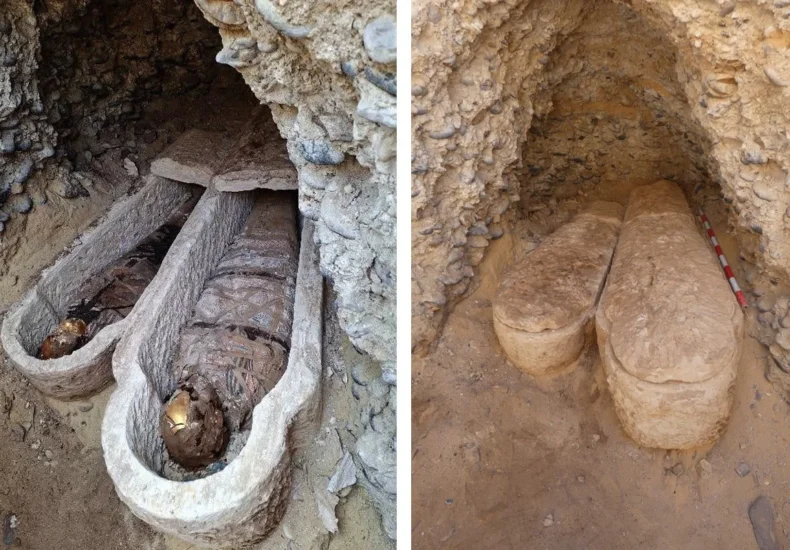
Alongside the tongues, the team uncovered mummies placed in wooden coffins, some still wrapped in decorated linen with patterned designs. These details suggest careful preparation and underline the symbolic importance of burial presentation.
A Greek Epic in an Egyptian Tomb
One burial stood out for a different reason.
Inside it, archaeologists found a papyrus bearing lines from the Iliad by Homer. The passage belongs to the “Catalogue of Ships,” describing forces in the Trojan War.
The find highlights how Greek literature and Egyptian burial traditions intersected at Oxyrhynchus, where cultural boundaries appear fluid rather than fixed.
Burials That Break the Pattern
Excavations near the Golden Cemetery, first identified in 2024, revealed a limestone structure divided into three chambers, each showing a different funerary arrangement.
In one chamber, a large jar contained the cremated remains of an adult, along with infant bones and the head of a bird, all wrapped in cloth. Another chamber held the remains of two individuals alongside animal bones, suggesting that burial practices at the site were not standardized.
Small terracotta and bronze figurines were also recovered. Some depict Harpocrates, while another resembles Cupid, pointing to a religious environment shaped by overlapping traditions.
A Cemetery Still Yielding Clues
Parts of the cemetery show signs of earlier disturbance, likely due to looting. Even so, the site continues to provide valuable material for archaeological study.
Egypt’s Minister of Tourism and Antiquities, Sherif Fathi, noted that Minya remains one of the country’s richest archaeological regions. Officials from the Supreme Council of Antiquities emphasize that the discovery adds important new detail to Oxyrhynchus’ burial history.
For researchers such as Hassan Amer, the significance lies in the combination of objects and context. The presence of gold and bronze tongues alongside mummified remains provides direct archaeological confirmation of long-documented burial traditions.
The discovery was announced by Egypt’s Ministry of Tourism and Antiquities and reported by local media citing officials from the Supreme Council of Antiquities.
- A 1700-year-old statue of Pan unearthed during the excavations at Polyeuktos in İstanbul
- The granary was found in the ancient city of Sebaste, founded by the first Roman emperor Augustus
- Donalar Kale Kapı Rock Tomb or Donalar Rock Tomb
- Theater emerges as works continue in ancient city of Perinthos
- Urartian King Argishti’s bronze shield revealed the name of an unknown country
- The religious center of Lycia, the ancient city of Letoon
- Who were the Luwians?
- A new study brings a fresh perspective on the Anatolian origin of the Indo-European languages

- Perhaps the oldest thermal treatment center in the world, which has been in continuous use for 2000 years -Basilica Therma Roman Bath or King’s Daughter-
- The largest synagogue of the ancient world, located in the ancient city of Sardis, is being restored
Leave a Reply