
Seljuk Traces in St. Paul’s Lystra: Oldest Examples of the Evil Eye Bead Found
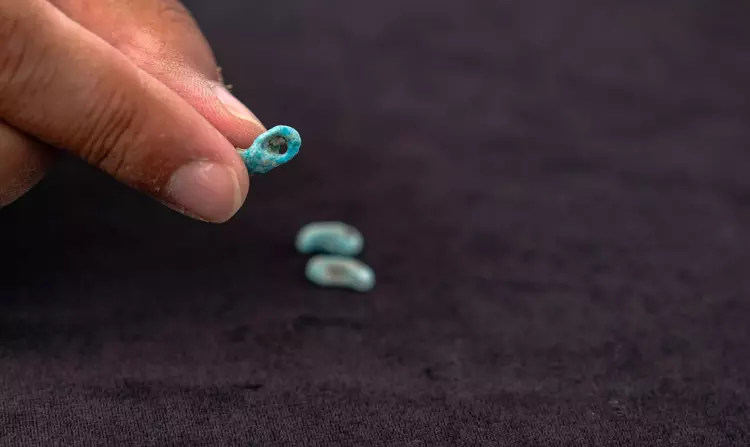
Archaeological excavations in Lystra, the ancient city known from the Bible as one of the places visited by St. Paul the Apostle, have revealed Seljuk-era traces and turquoise-colored “evil eye” beads inside children’s graves. Researchers believe these beads represent a cultural bridge — where Turkic beliefs merged with earlier Anatolian traditions, giving birth to the
A Historic First at Karahantepe: Human-Faced T-Shaped Pillar Unearthed in Türkiye
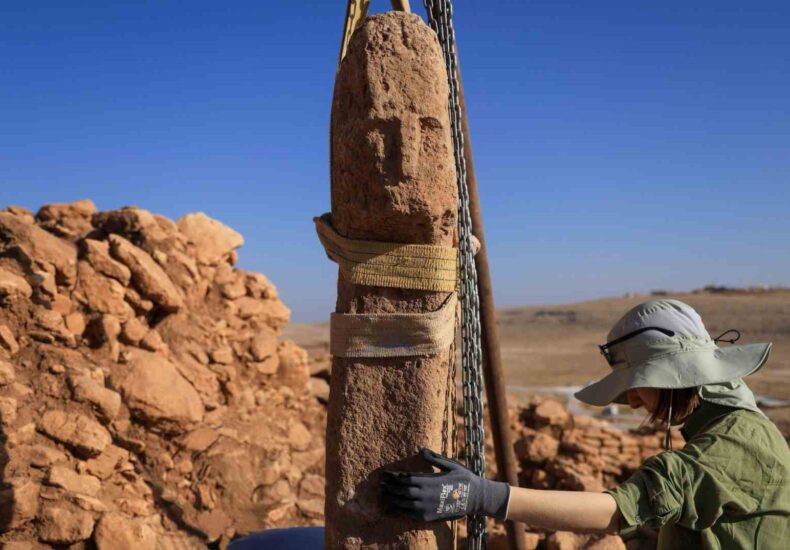
Archaeologists have uncovered a T-shaped pillar carved with a human face at the Neolithic site of Karahantepe in southeastern Türkiye — a discovery described as a first in human history. The finding was announced by Minister of Culture and Tourism Mehmet Nuri Ersoy on his official X (Twitter) account, where he wrote: “Karahantepe — A
Scientists Identify the Woman Behind a 2,000-Year-Old Marble Head Found in Crimea
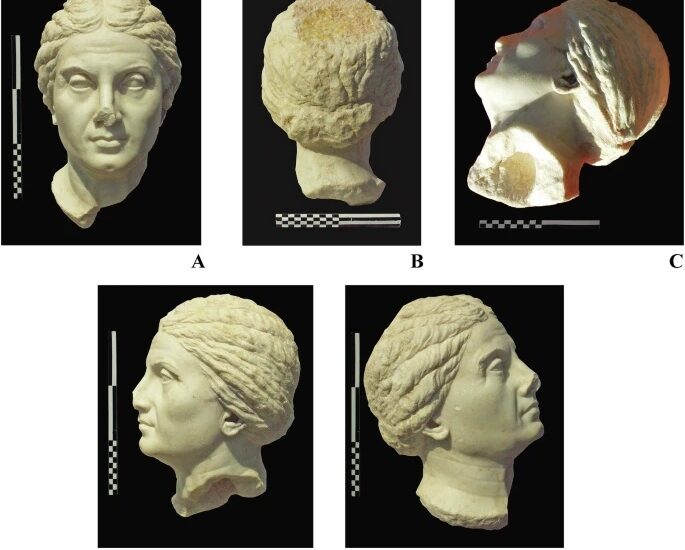
Researchers from Poland and Spain reveal that the ancient sculpture depicts a Roman lady named Laodike A team of researchers from Poland and Spain has identified the subject of a marble female head discovered in Crimea in 2003 as Laodike, a Roman woman who lived in the early centuries CE.According to the study, Laodike was
2,800-Year-Old Sanctuary of the Phrygian Mother Goddess Matar Unearthed at Attouda Ancient City
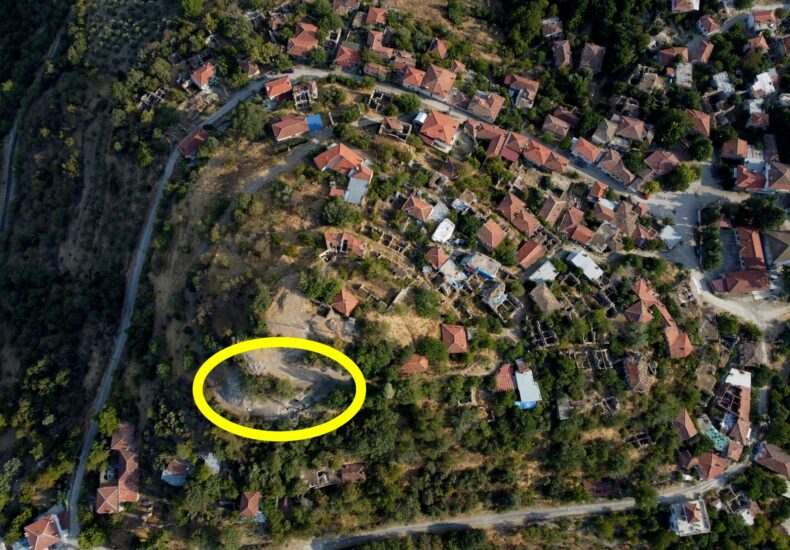
Archaeologists working at the ancient city of Attouda in Denizli’s Sarayköy district have uncovered a sanctuary dedicated to the Phrygian Mother Goddess Matar (Kybele), dating back 2,600–2,800 years. The discovery includes a monumental rock sanctuary, a sacred cave, and a unique twin rock idol. The excavations are carried out under the supervision of Hulusi Ünsal,
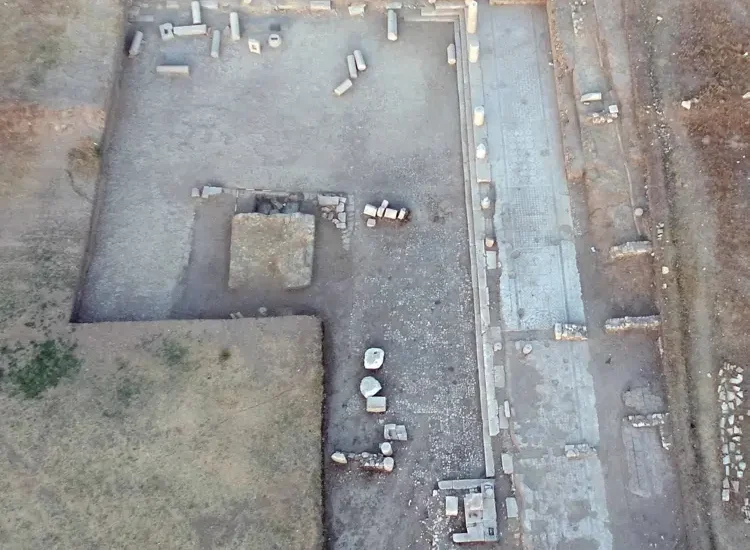
1,800-Year-Old Roman Agora Unearthed in the Ancient City of Metropolis
Archaeologists excavating the ancient city of Metropolis in İzmir, Türkiye, have uncovered a 1,800-year-old Roman-era agora that once served as the commercial heart of the settlement. Experts suggest it may be the largest trade center ever identified in the city. Located between the modern villages of Yeniköy and Özbey in Torbalı, Metropolis is also known
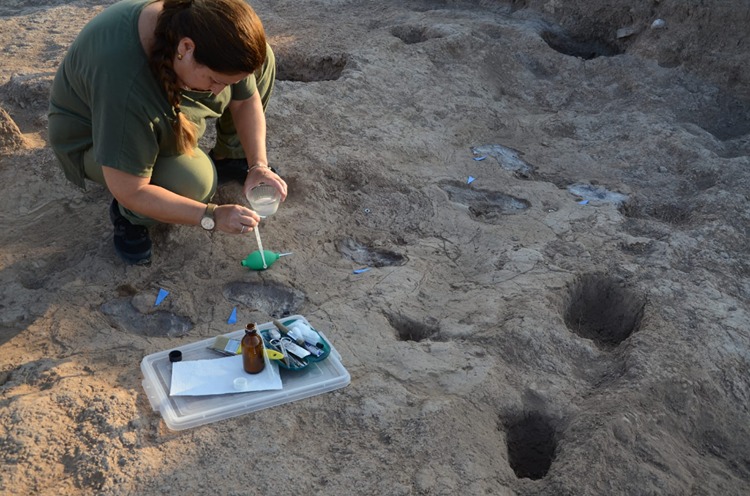
7,000-Year-Old Ubaid-Period Human Footprints Unearthed at Tell Kurdu Mound
Archaeologists working at Tell Kurdu Mound in Hatay, southern Türkiye, have uncovered a discovery rarely seen in Anatolian archaeology: five human footprints dating back 7,000 years. According to Türkiye’s Minister of Culture and Tourism, Mehmet Nuri Ersoy, the footprints were found in layers dated to around 3200 BCE (Ubaid period). “Steps taken seven millennia ago
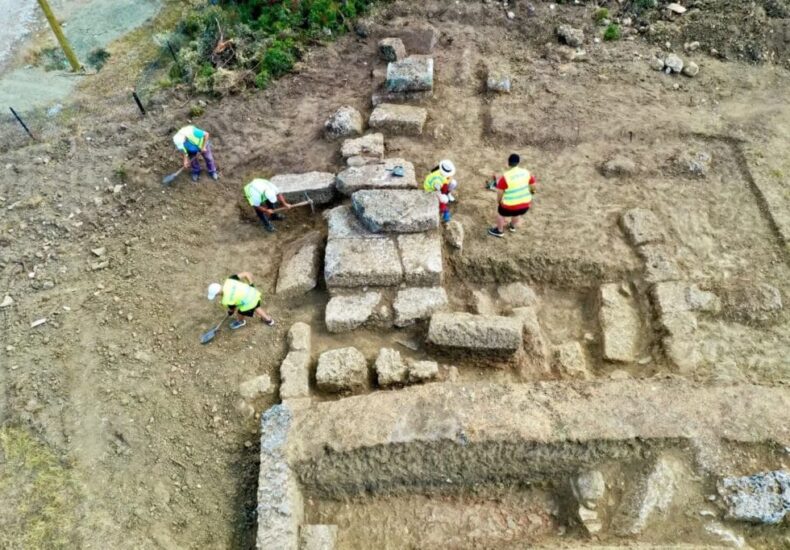
Ancient Walls Unearthed in Amantia: A New Chapter in Illyrian Archaeology
Archaeologists working at Amantia Archaeological Park in southern Albania have uncovered the remains of powerful defensive walls, dating back to the 3rd century BC and believed to have collapsed in the 6th century AD. These newly revealed fortifications surrounded the lower settlement of the city, offering fresh insights not only into Amantia’s defensive strategies but
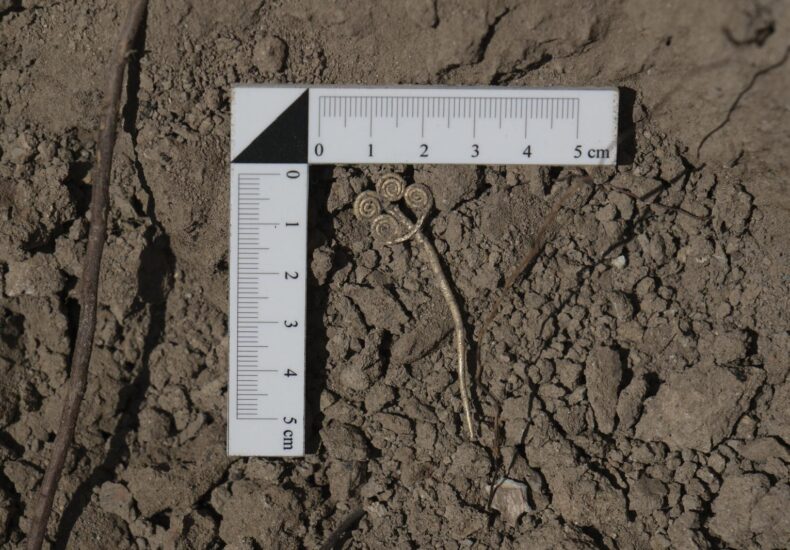
Legendary City of Troy Yields 4,500-Year-Old Golden Brooch and Jade Stone
The ancient city of Troy in Çanakkale, Türkiye — a UNESCO World Heritage Site — has once again captured global attention with a groundbreaking discovery. According to an announcement by Minister of Culture and Tourism Mehmet Nuri Ersoy, excavations at the site have uncovered a golden ring-shaped brooch and a rare jade stone, both dating
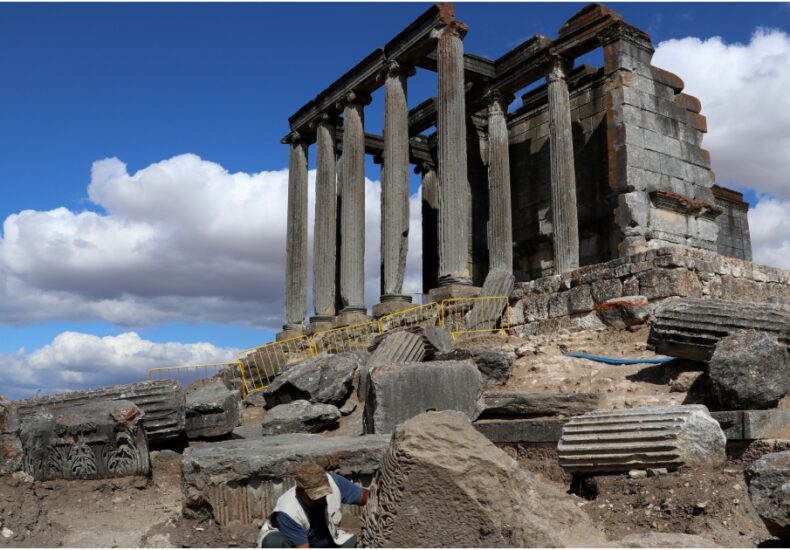
Excavations at Aizanoi Reveal New Finds in the 2,000-Year-Old Temple of Zeus
Archaeological work in the ancient city of Aizanoi in Çavdarhisar, Kütahya, has brought to light previously buried architectural remains of the world-famous Temple of Zeus. The excavations also uncovered Byzantine-era burials within the sanctuary’s grounds. In western Türkiye’s Kütahya province, the ancient city of Aizanoi continues to yield new discoveries. Recent excavations around the iconic
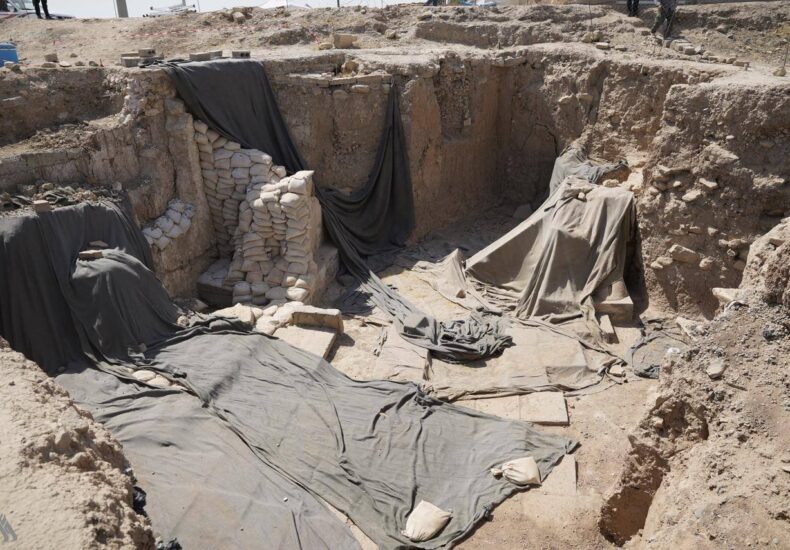
World’s Largest Assyrian Lamassu Unearthed at Nineveh’s Nabi Yunus Site
Archaeologists in Iraq have announced the discovery of a colossal Assyrian winged bull in Mosul, measuring nearly six meters in height—making it the largest lamassu ever documented. The statue, dating to the reign of King Esarhaddon (681–669 BCE), was uncovered within the throne hall of his royal palace at Nineveh, one of the empire’s most