
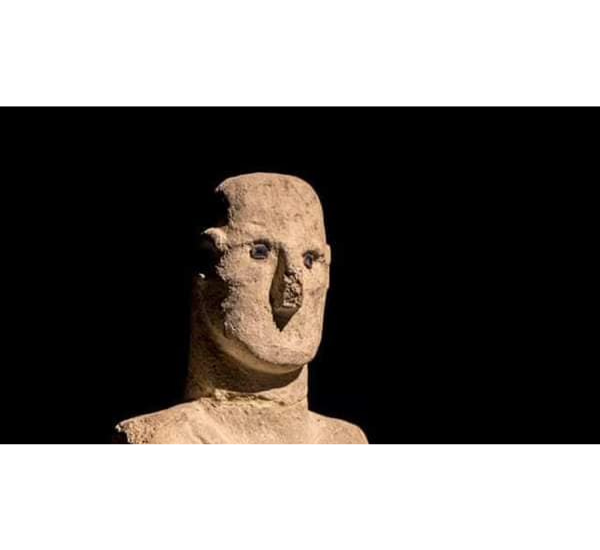
Urfa Man: The First Life-Size Sculpture in Human History
‘Urfa Man’ (also known as Balıklıgöl Statue) was unearthed in 1993 during a road work in Yeni Mahalle in Şanlıurfa city centre. Dating back approximately 11,500 years to the Neolithic period, this impressive artifact reveals the artistic skills and belief systems of people from that era. Features of the Urfa Man Statue: The limestone statue,
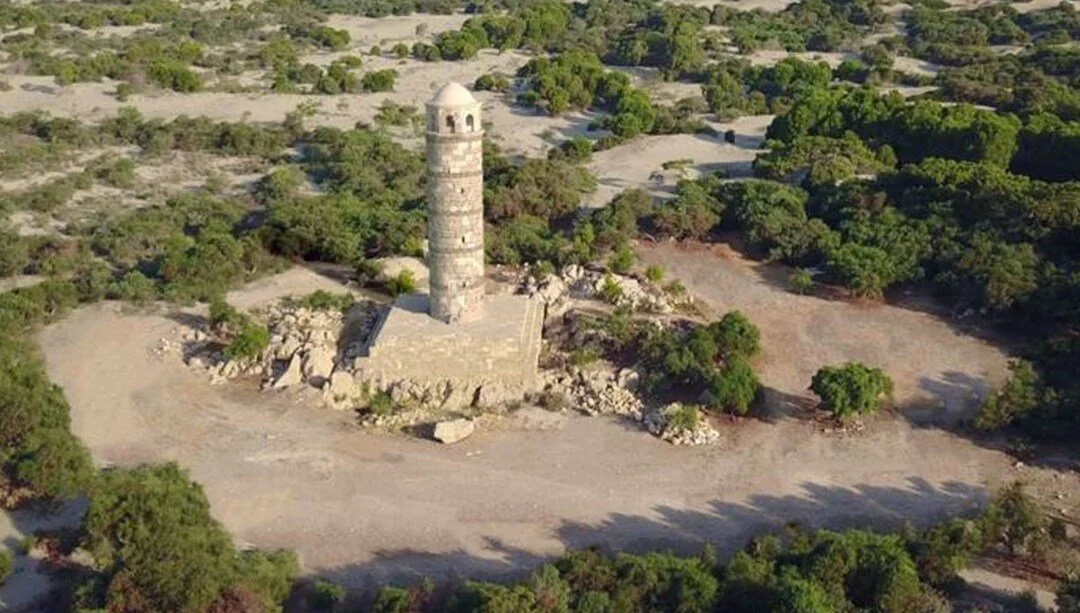
Ancient Patara Lighthouse to Illuminate the Way for Sailors Once Again
The ancient city of Patara, located in Antalya, southwestern Türkiye, is renowned for its rich history. Once the capital of the Lycian League, this vital port city was a hub of maritime trade. Now, the ancient lighthouse, built by Roman Emperor Nero and destroyed by natural disasters, is being reconstructed using its original stones, ready
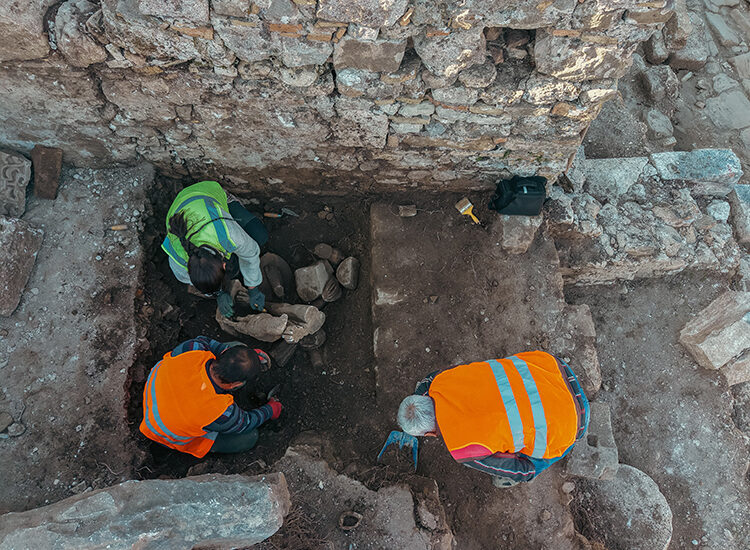
Statue of Hermes Found in the Ancient City of Aspendos in Türkiye
In the ongoing archaeological excavations at the ancient city of Aspendos in the Serik district of Antalya, southern Türkiye, a Hermes statue from the Roman Imperial Period has been discovered. The excavations at Aspendos, founded by the Akas in the 10th century BC, are being carried out under the leadership of the General Directorate of
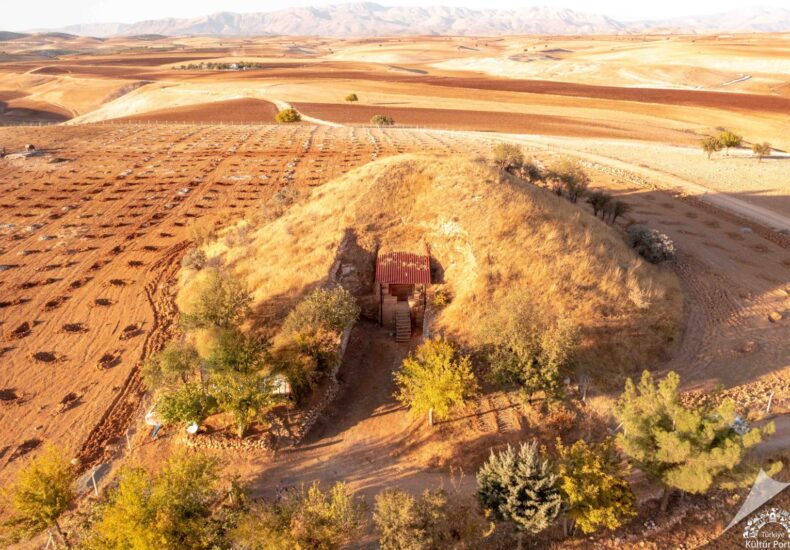
Silent Witnesses of Commagene: Sofraz Tumuli
Adıyaman, a city in southeastern Türkiye, is rich in historical and cultural treasures. Among its most remarkable examples are the Sofraz Tumuli. These tumuli, dating back approximately 1800 years, are significant archaeological structures that illuminate the region’s history. Named after the village of Sofraz in the Besni district, the Sofraz Tumuli are located southeast of
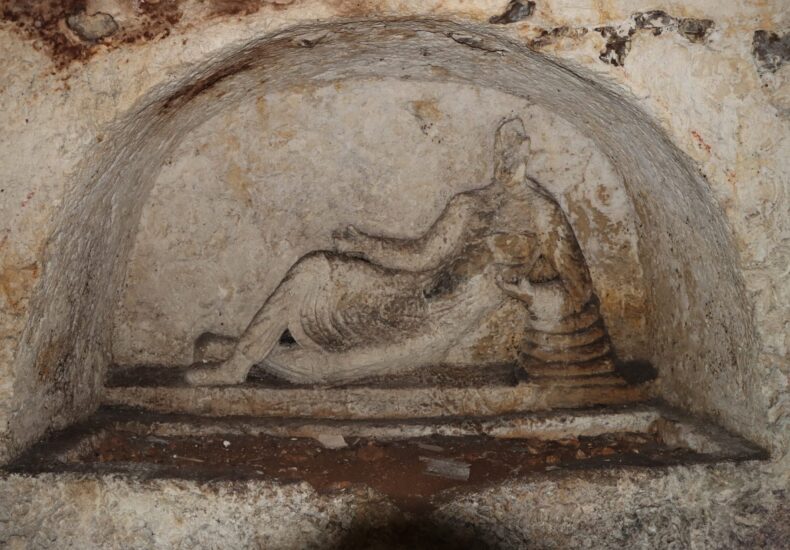
Unique rock tomb discovered by chance in the courtyard of a house in southeastern Türkiye
Şanlıurfa, located in southeastern Türkiye, has added a new mysterious page to its historical record. A 2300-year-old rock tomb, discovered by chance in the courtyard of a house, sheds light on the city’s thousands of years of history. This significant discovery, announced by Şanlıurfa Governor Hasan Şıldak, once again revealed the region’s rich cultural heritage.
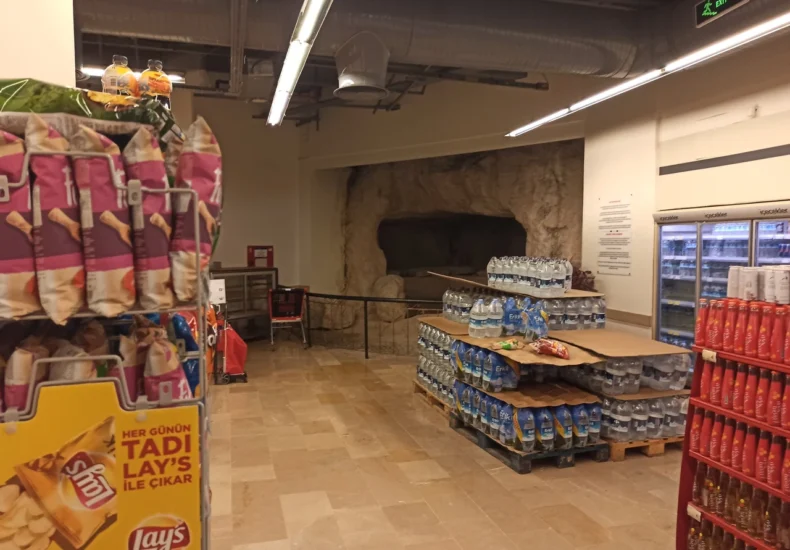
Shoppers at a supermarket in Türkiye are surprised by a 2300-year-old rock tomb
In Bodrum, a prominent tourist destination in Türkiye, a remarkable 2300-year-old rock tomb has been unexpectedly integrated into the shelves of a supermarket. Dating back to the 3rd century BC, the presence of this ancient tomb within a retail space has sparked both astonishment and controversy, leading to its nickname, the “Museum Market.” This unusual
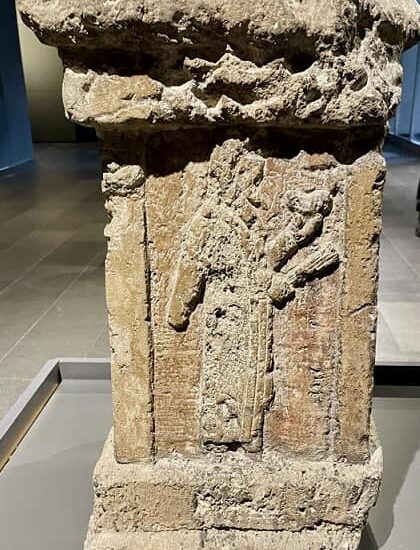
A 2500-Year-Old Persian Fire Altar Reflecting the Fire Cult in Central Anatolia
Discovered in the Bünyan district of Kayseri, Central Anatolia, in the 1930s, the Persian Fire Cult Altar, dating back to 500 BC, is a unique artifact used in Persian fire-related religious rituals. Initially transferred to the Museum of Anatolian Civilizations for security reasons, this altar is known to be the only example depicting the Persian
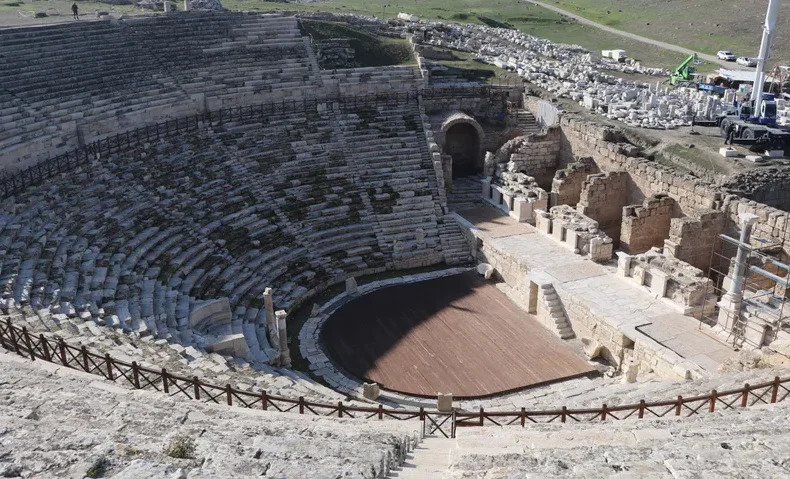
Restoration of Laodicea’s Ancient Theater Completed
The restoration work of the ancient theater of Laodicea, founded by Seleucid King II. Antiochus in honor of his wife Laodice in the 3rd century BC, has been completed. Laodicea, located in Denizli province of modern-day Türkiye, is listed on the UNESCO World Heritage Temporary List. The city is also home to one of the
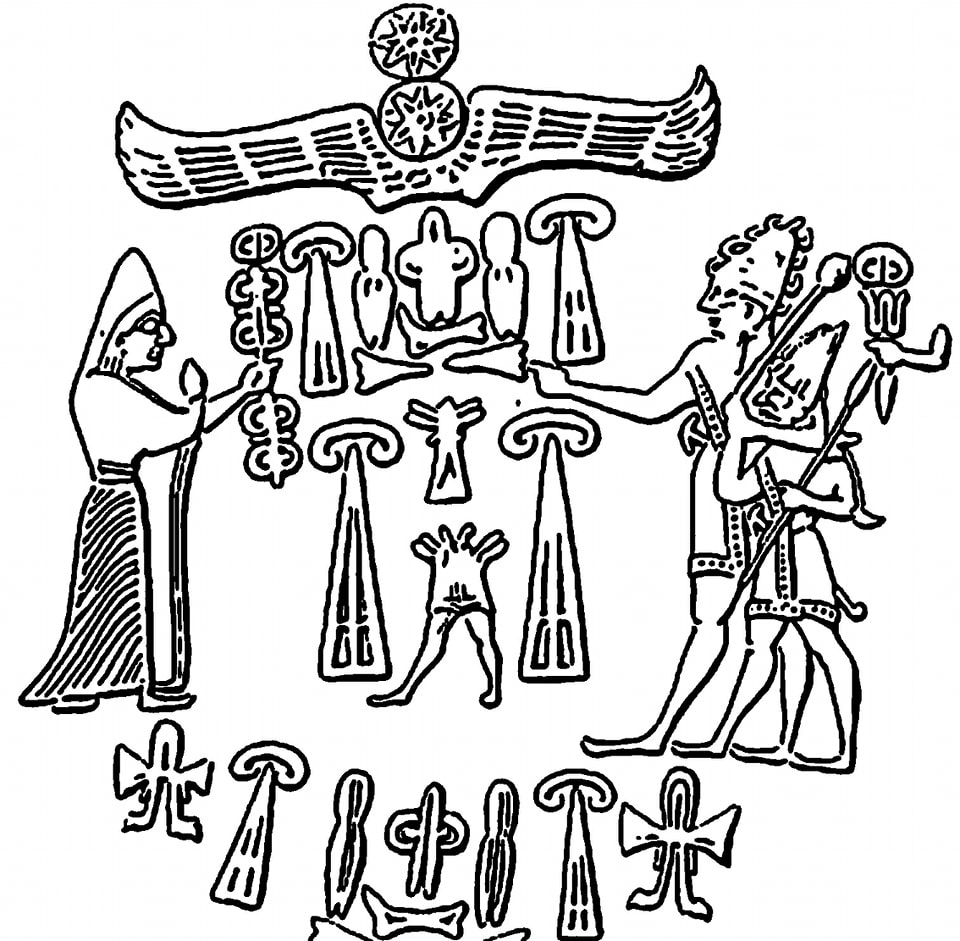
Royal Divorce Decree from the Hittite King to Ugarit: 3300-Year-Old Scandalous Love and Political Intrigue
A royal scandal lost in the dusty pages of history comes to light after 3300 years. The divorce decree sent by Hittite King Tudhaliya IV to Ugarit King Ammistamru II is not just a declaration of separation, but also reveals the political intrigues, personal dramas, and legal regulations of the period. Secrets Hidden in the

The 12,000-Year Neolithic World of Göbekli Tepe Animated
Step into the enigmatic world of Göbekli Tepe and embark on a journey 12,000 years into the past, to a time when the world’s oldest temples rose. This unique experience, brought to life through captivating animations, allows you to unravel the mysteries of the Neolithic era. Göbekli Tepe, located near Örencik village in the Haliliye