
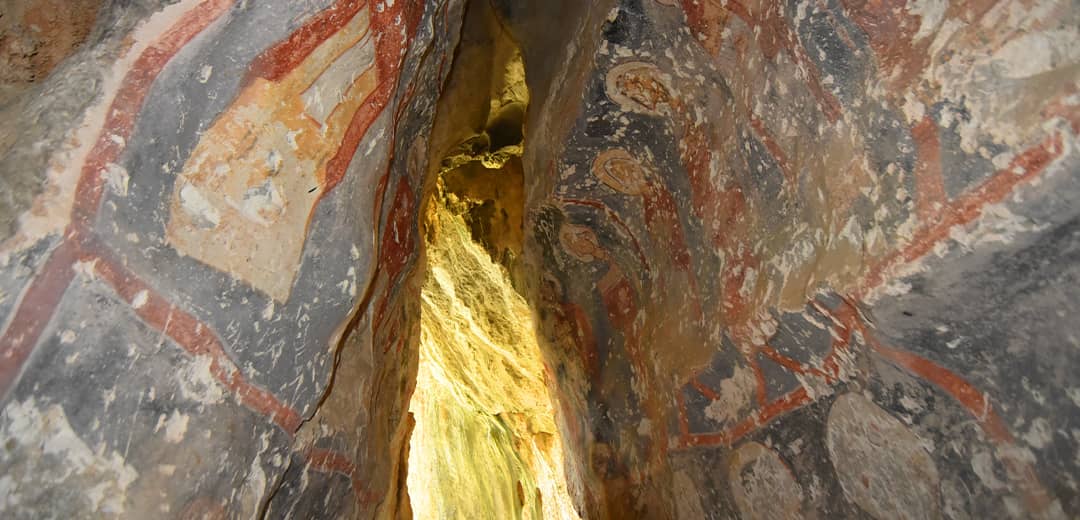
Gavur Beşiği Cave: A Hidden Byzantine Sanctuary
Nestled in the lush Çamlık Nature Monument of Konya’s Derebucak district, Gavur Beşiği Cave is a hidden paradise. It captivates visitors with its natural beauty and historical significance. Locals also call it the “Painted Cave,” and it awaits discovery like a treasure trove. Whispers of History: Traces of the Past Gavur Beşiği Cave is relatively
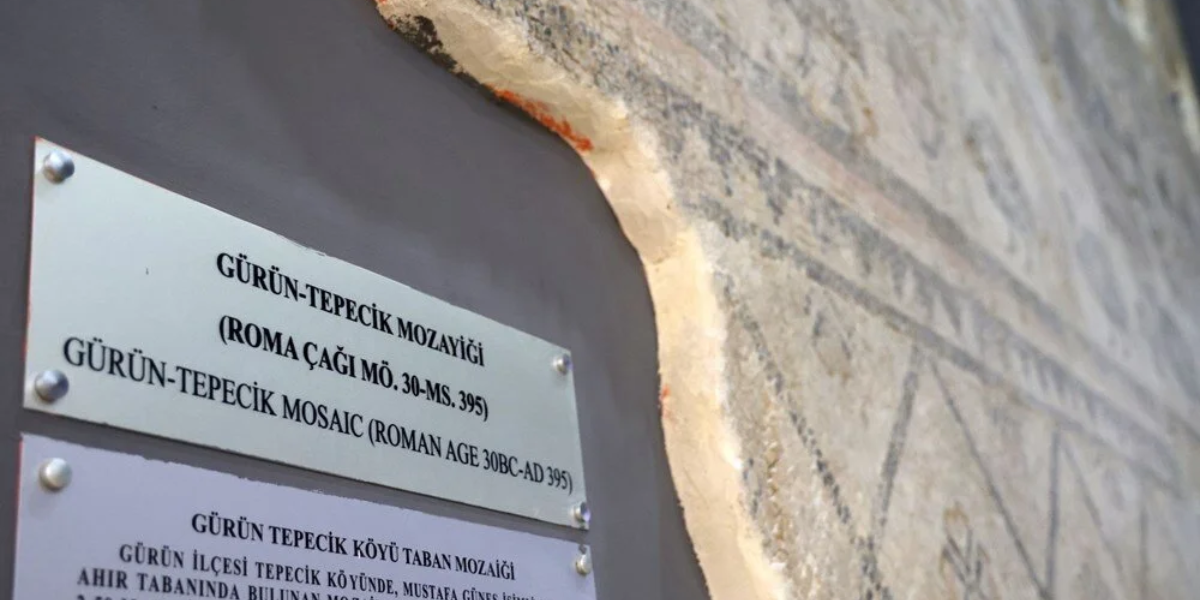
The remaining piece of the 2000-year-old mosaic has been waiting to be removed from the barn for 22 years
The remaining piece of a 2000-year-old mosaic, believed to belong to the Roman period, has still not been removed after 22 years. The Tepecik Mosaic, located in the Sivas Archaeology Museum, was discovered on the floor of a barn in the Gürün district of Sivas. The Roman-period floor mosaic, found in a citizen’s barn in
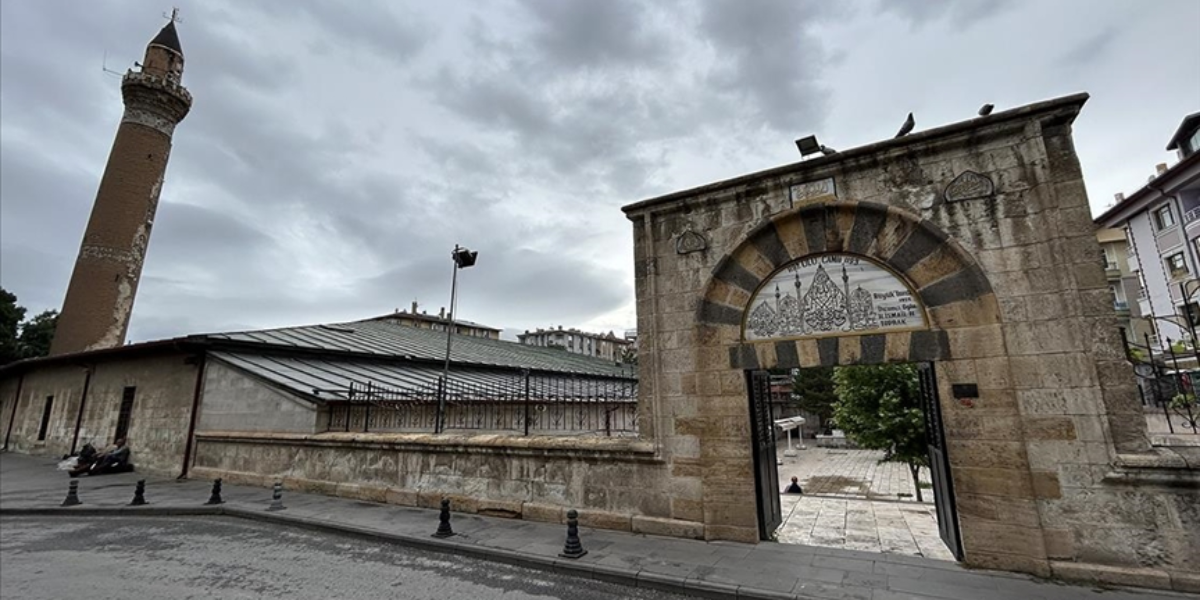
The minaret of Sivas Ulu Mosque, likened to the Leaning Tower of Pisa, will be restored using a new method in Türkiye
The minaret of Sivas Ulu Mosque, built by Kızılarslan bin İbranim during the reign of Sultan 2. Kudbeddin Melikşah of the Anatolian Seljuk State in 1197, is compared to Italy’s Leaning Tower of Pisa. It has a lean of 117 centimeters and is expected to stand for many years using a method that will be
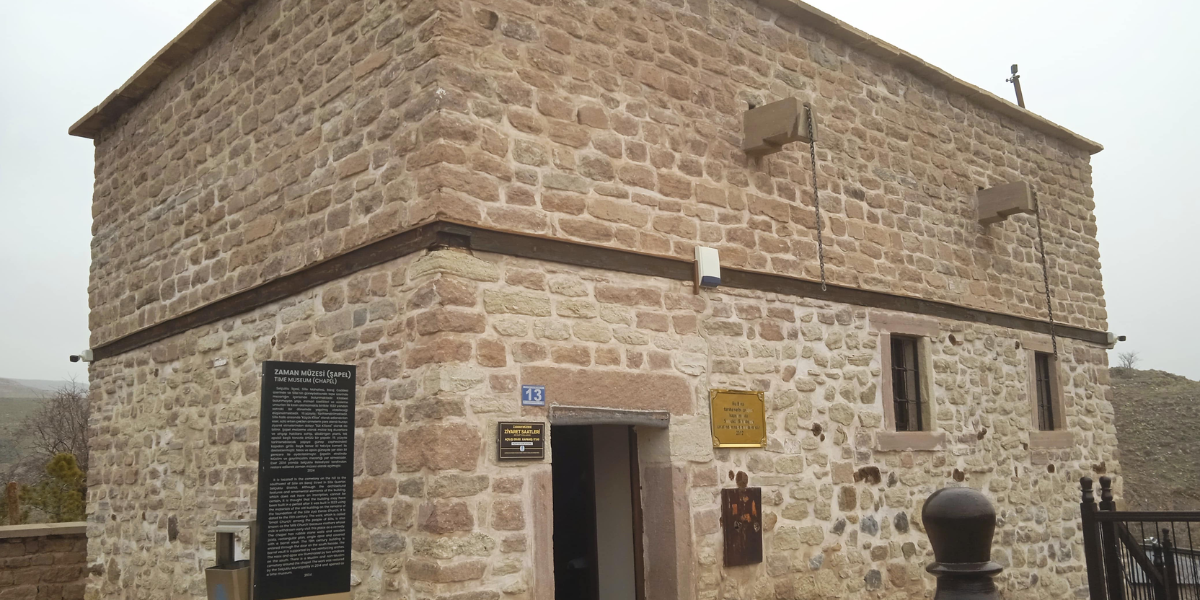
The Konya Time Museum, which holds the distinction of being the first and only time museum in Türkiye
The Konya Time Museum is Türkiye’s first time museum, which stops the flow of time and takes visitors on a journey into the past. The museum is located on a hill in the southwest of the Sille neighborhood in the Selçuklu district of Konya. Surrounding the museum are the graves of Muslim and Christian citizens
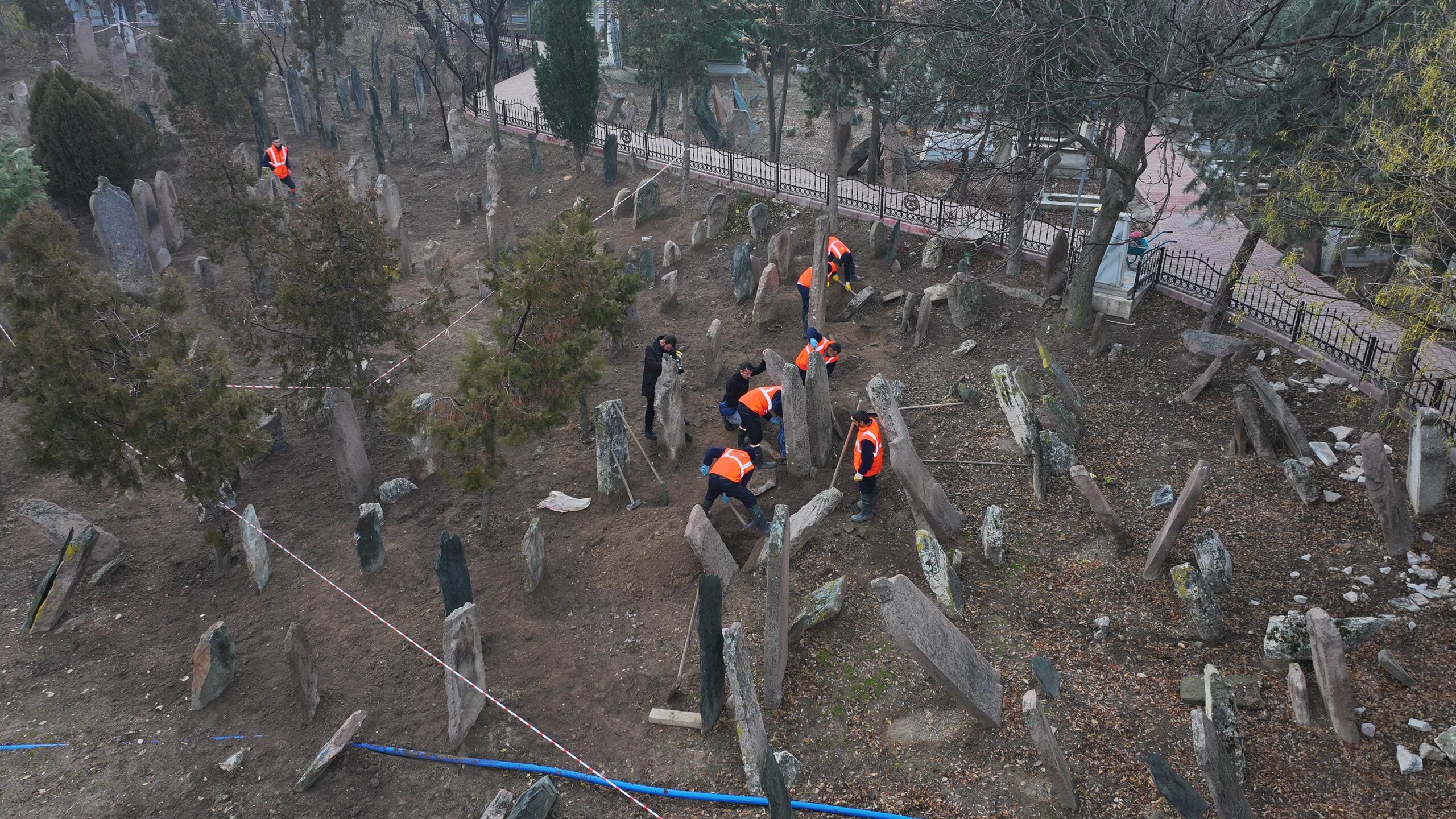
The tombstones in the Seljuk Cemetery in Konya are being restored
The historical tombstones in the Musalla Cemetery, one of the prominent Seljuk cemeteries in Konya, which served as the capital of the Anatolian Seljuks, are being restored. Musalla Cemetery is located in the central district of Selçuklu in Konya. Recently, new burial areas are not being permitted. The restoration of the historical tombstones in Musalla
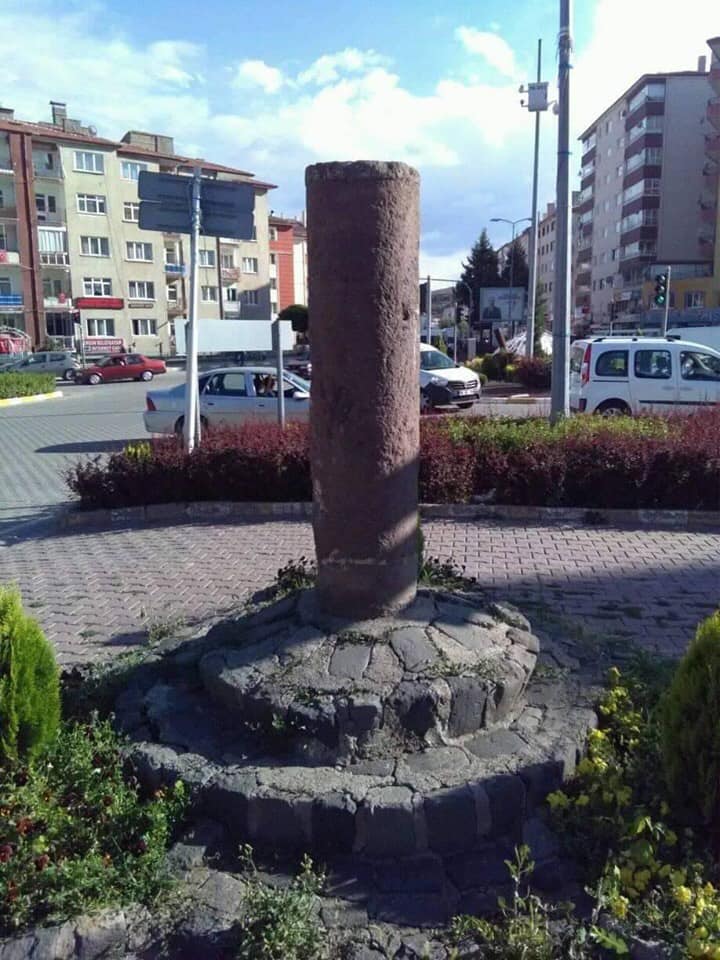
The Roman Embrace Stone, believed to grant wishes and bring healing
Embrace Stone, the symbolized structure of the small and charming city of Çankırı in Central Anatolia, has been a mysterious site that has captivated the curiosity of both locals and visitors for centuries. The heart-shaped hollow on its surface and the legends surrounding it have contributed to the stone’s mystical aura. However, it is quite
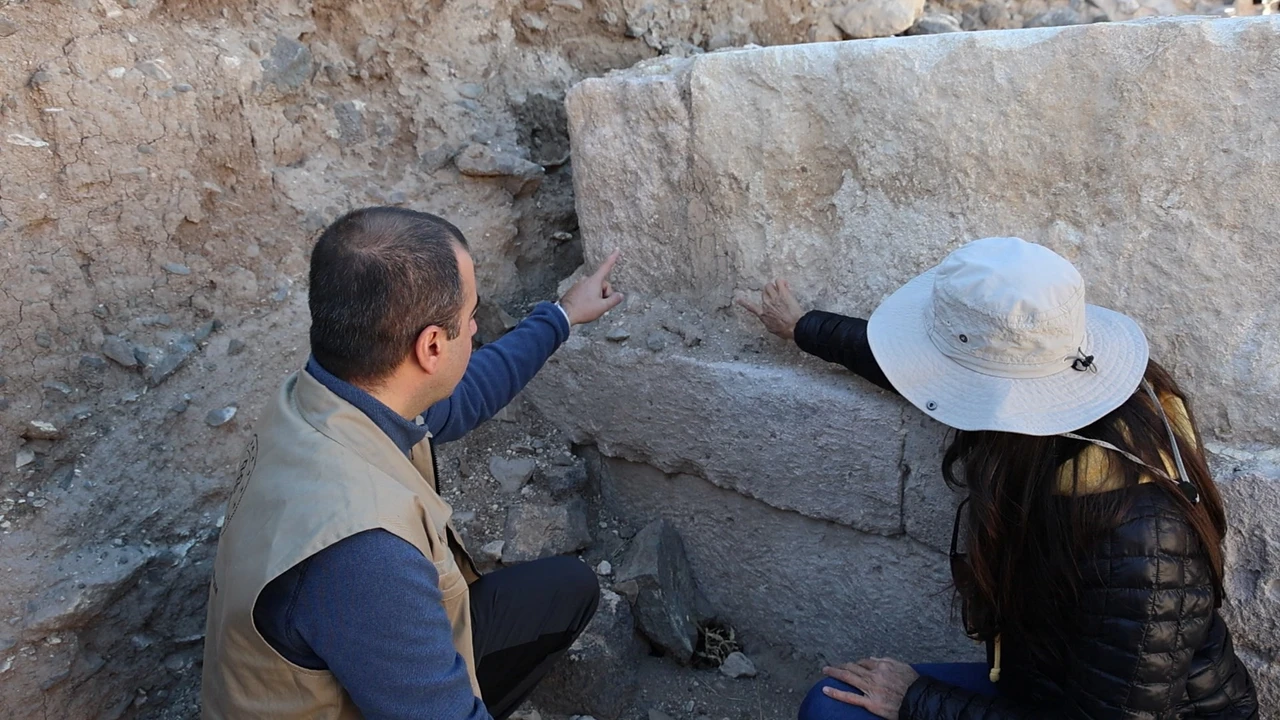
2,200-year-old fingerprints found in a burial chamber in Cappadocia
In Cappadocia, known as the land of beautiful horses, 2,200-year-old fingerprints were found during excavations in a burial chamber. Cappadocia is a region in the Central Anatolia Region of Türkiye, world-renowned for its unique natural and historical beauty. It is famous for its fairy chimneys formed by the erosion of soft tuff layers formed by
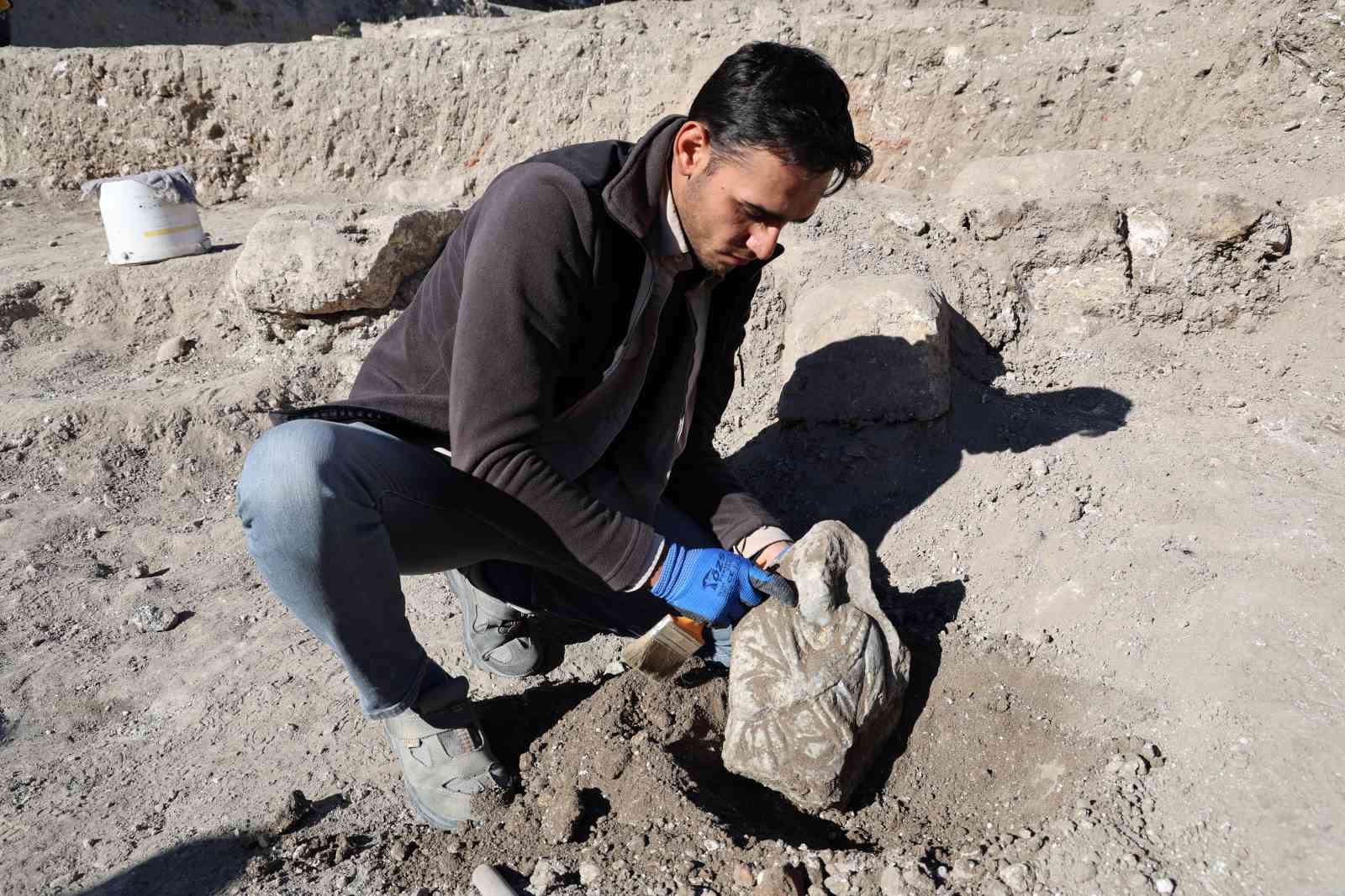
A 2000-year-old tombstone was uncovered during the excavations at Sivas Castle
A 2000-year-old Roman period tombstone was uncovered during the ongoing excavations at Sivas Castle, located in the center of Sivas in eastern Türkiye. Excavations at Sivas Castle began in 2019. The studies have yielded findings from the Hittite, Roman, Byzantine, Seljuk, and Ottoman periods. Onur Aydın, an expert art historian providing information about the excavations
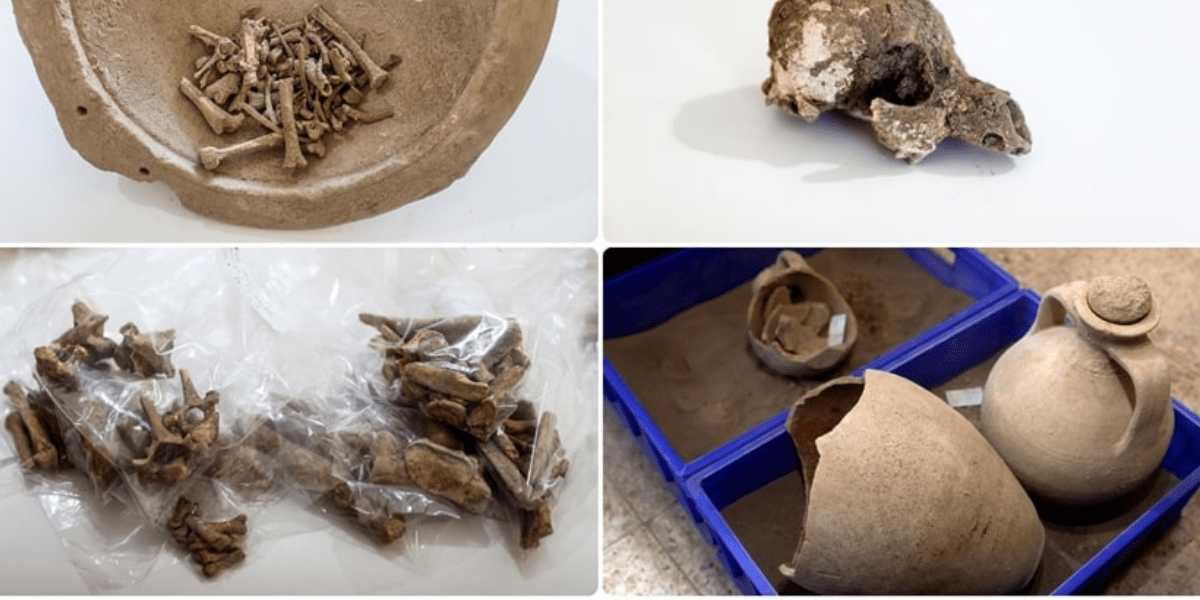
Scientists are examining the headless infant skeletons found in well graves in Savatra
Scientists have begun to examine the headless infant skeletons found in earthenware pots during the excavation work at the ancient city of Savatra in order to understand the lifestyle of the city during that period. The ancient city of Savatra is an important archaeological site located at the foothills of the Bozdağ Mountains in Konya,
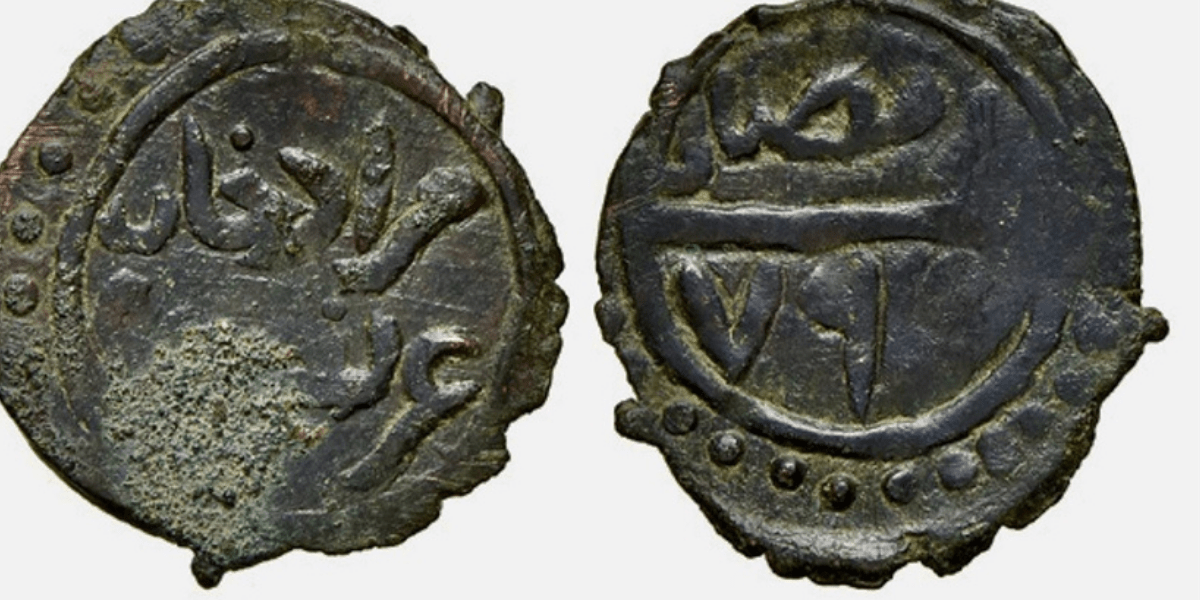
Bronze coins minted by Ottoman Sultan I. Murad for the month of Ramadan have been found at Karacahisar Castle
Bronze coins minted by Ottoman Sultan I. Murad for the important month of Ramadan for Muslims have been found at Karacahisar Castle, which is located in present-day Eskişehir province in Türkiye. I. Murad is the son of Orhan Bey and the first ruler to hold the title of sultan. He took significant steps to transform