Thursday, January 1 2026
Possible Phoenician Infant Jar Burials Discovered at Oluz Höyük in Central Anatolia

Anatolian News . Central Anatolia

Possible Phoenician Infant Jar Burials Discovered at Oluz Höyük in Central Anatolia

Written by

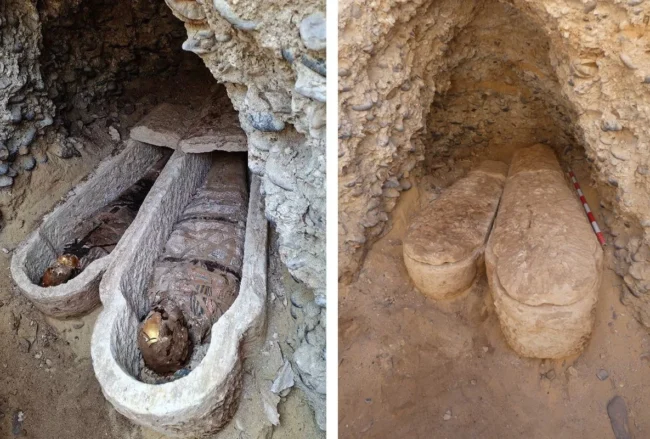
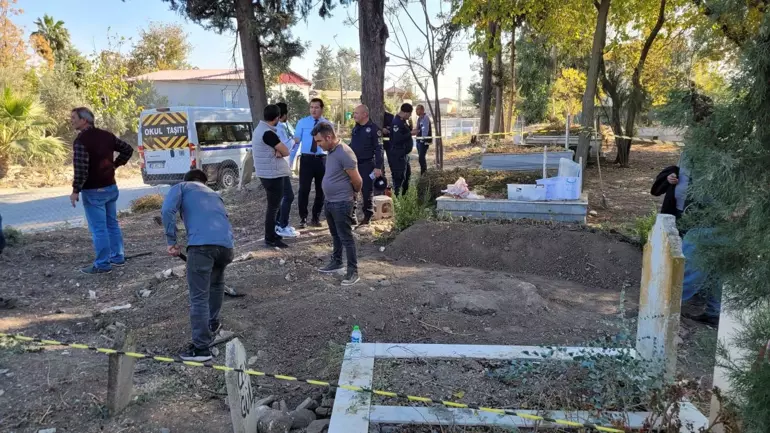
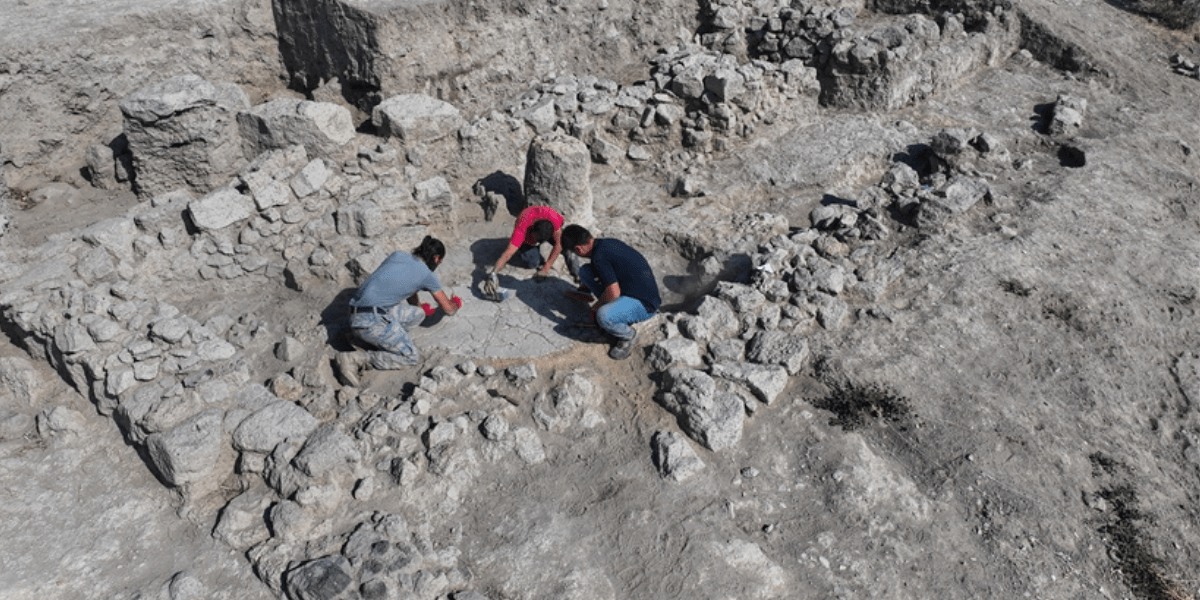
Archaeological excavations at Oluz Höyük, an ancient multi-layered settlement near the modern city of Amasya in north-central Türkiye, have uncovered a group of infant and fetal burials that may point to previously undocumented Phoenician ritual practices in the Anatolian interior. The burials, placed inside ceramic jars, are considered unique within the archaeological record of Anatolia

Roman emperors Diocletian and Maximianus

Relief depicting the embrace of Roman emperors Diocletian and Maximianus opens to the public for the first time

After 23 years of work, the relief depicting the embrace scene of Roman emperors Diocletianus and Maximianus was opened to visitors for the first time at the Kocaeli Archaeology Museum. After the 1999 Marmara Earthquake, a relief depicting the scene in which Roman Emperors Diocletianus and Maximianus got off the chariot and embraced each other

Aphrodisias

Traces of an Anatolian principalities-era market found in the ancient city of Aphrodisias

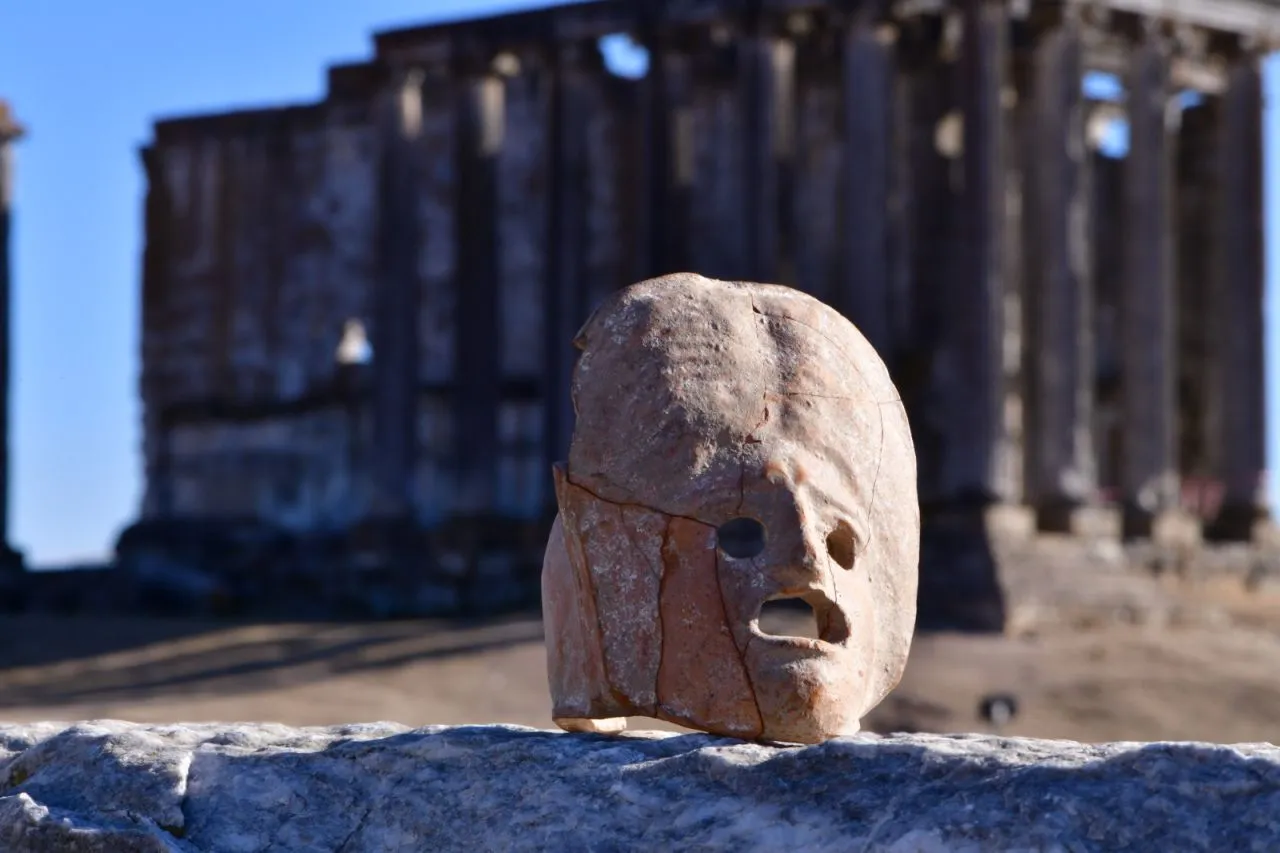
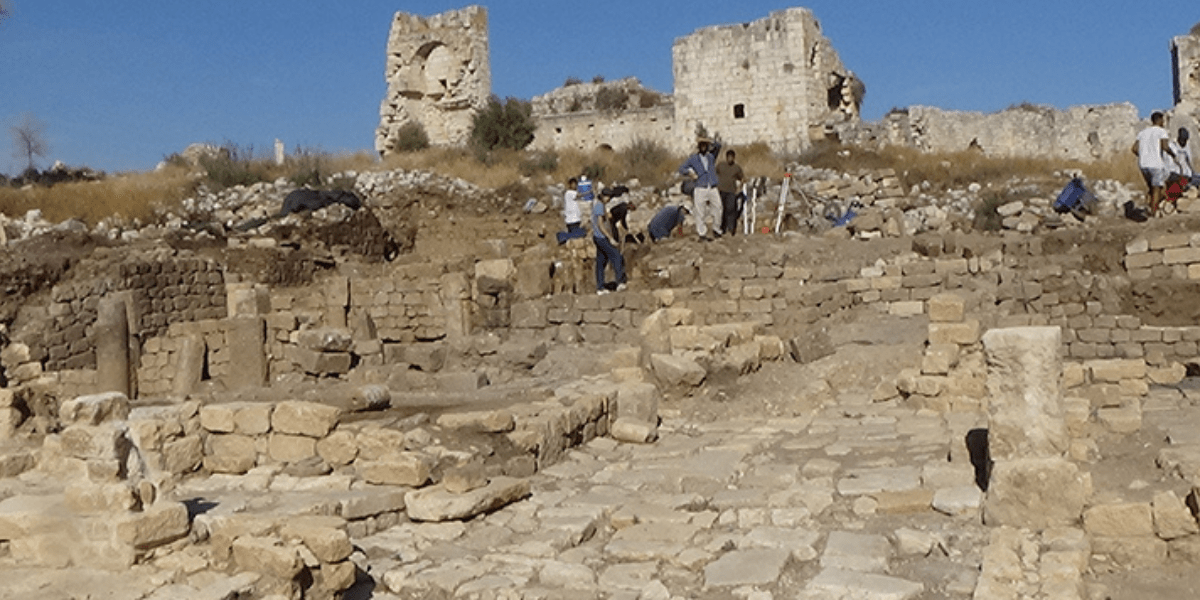
In the ancient city of Aphrodisias, dedicated to Aphrodite, the goddess of love and beauty, located in the Karacasu district of the Aydin province of Aydin in southwestern Türkiye, traces of a market dating back to the Anatolian principalities were found. Anatolian Principalities Period It is the period in which Turkmen beys established their sovereignty

Restoration of 2,800-year-old water cistern in eastern Türkiye completed

Restoration of 2,800-year-old water cistern in eastern Türkiye completed

The restoration of the 2,800-year-old Urartian water cistern unearthed in Harput Castle in Elazığ province in the Eastern Anatolia Region, known as the roof of Türkiye, has been completed. Harput Castle was built by the Urartians in the 8th century BC on a rectangular plan. The castle, which consists of two parts, the inner and

Yassı mound

2,800-year-old kilograms of chickpeas, wheat, apricot kernels, grapes and garlic grains found in Yassı Mound

Carbonized chickpeas, wheat, apricot kernels, grapes and garlic grains dating back 2,800 years were found at Yassı Mound in the southern Turkish province of Kahramanmaraş. Since 2021, excavations at Yassı Mound, led by Assoc. Prof. Elif Baştürk of Ahi Evran University, have shown the existence of nine distinct layers that existed continuously between 6,000 BC

God Apollo

1800-year-old statue head in Fethiye Castle: May Belong to God Apollo!

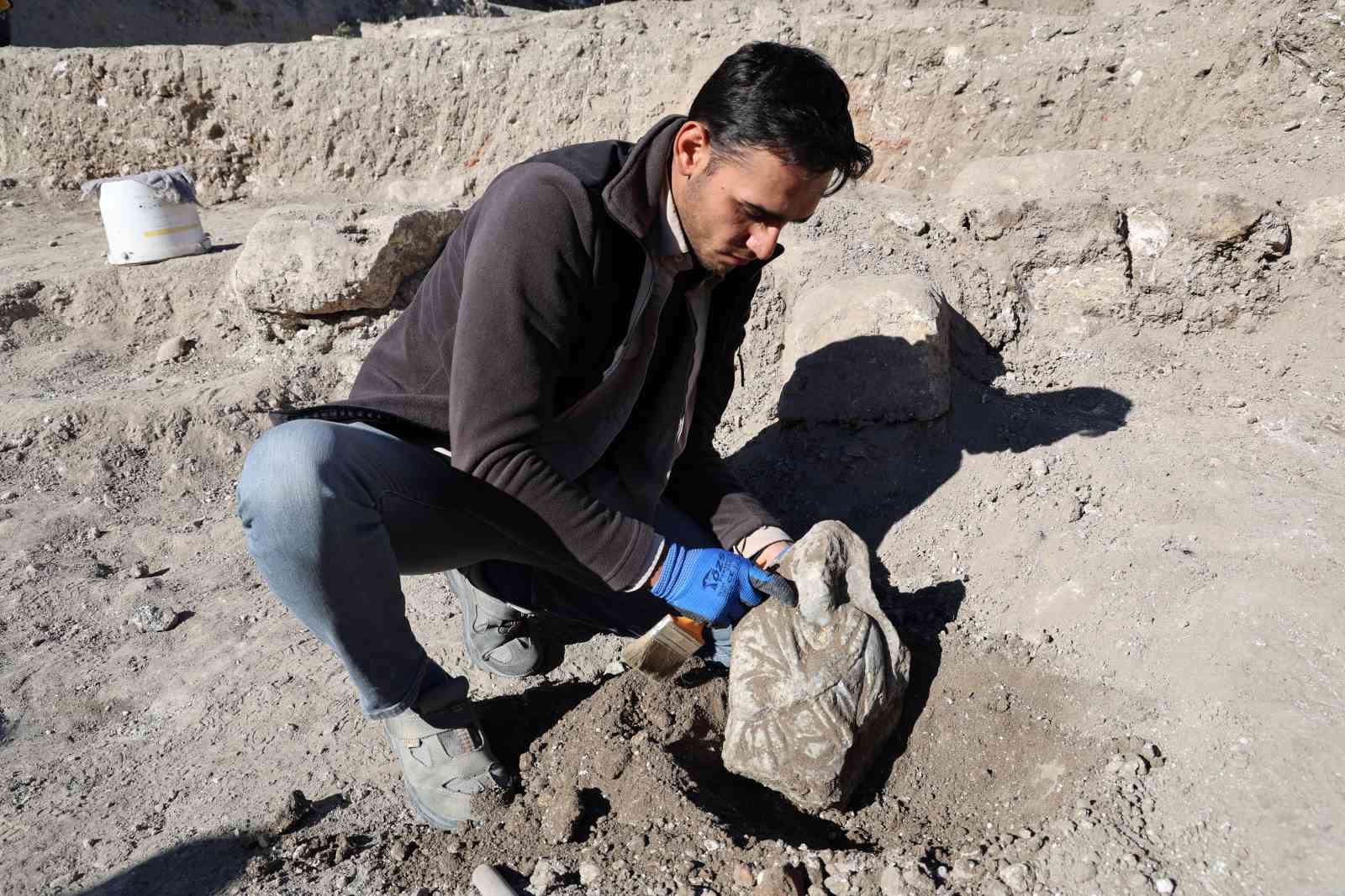
During excavations in Fethiye Castle, a 1800-year-old statue head thought to belong to the god Apollo was found. Situated in the Fethiye district of Mugla province in southwest Türkiye is the Fethiye Castle. Situated close to the rock tombs on a hilltop overlooking the city is Fethiye Castle, one of the city’s most emblematic buildings.

Troy

Archaeologists unearth palace, agora and city wall in Troy

Archaeologists are working to bring to light the palace, agora and city wall in the ancient city of Troy, which has a history of 5,500 years. Prof. Dr. Reyhan Körpe, Vice President of the Ancient City of Troy Excavation, Çanakkale Onsekiz Mart University Department of History, said that they are working in the agora area

Excavations at the ancient Kef Castle shed light on the Urartian period

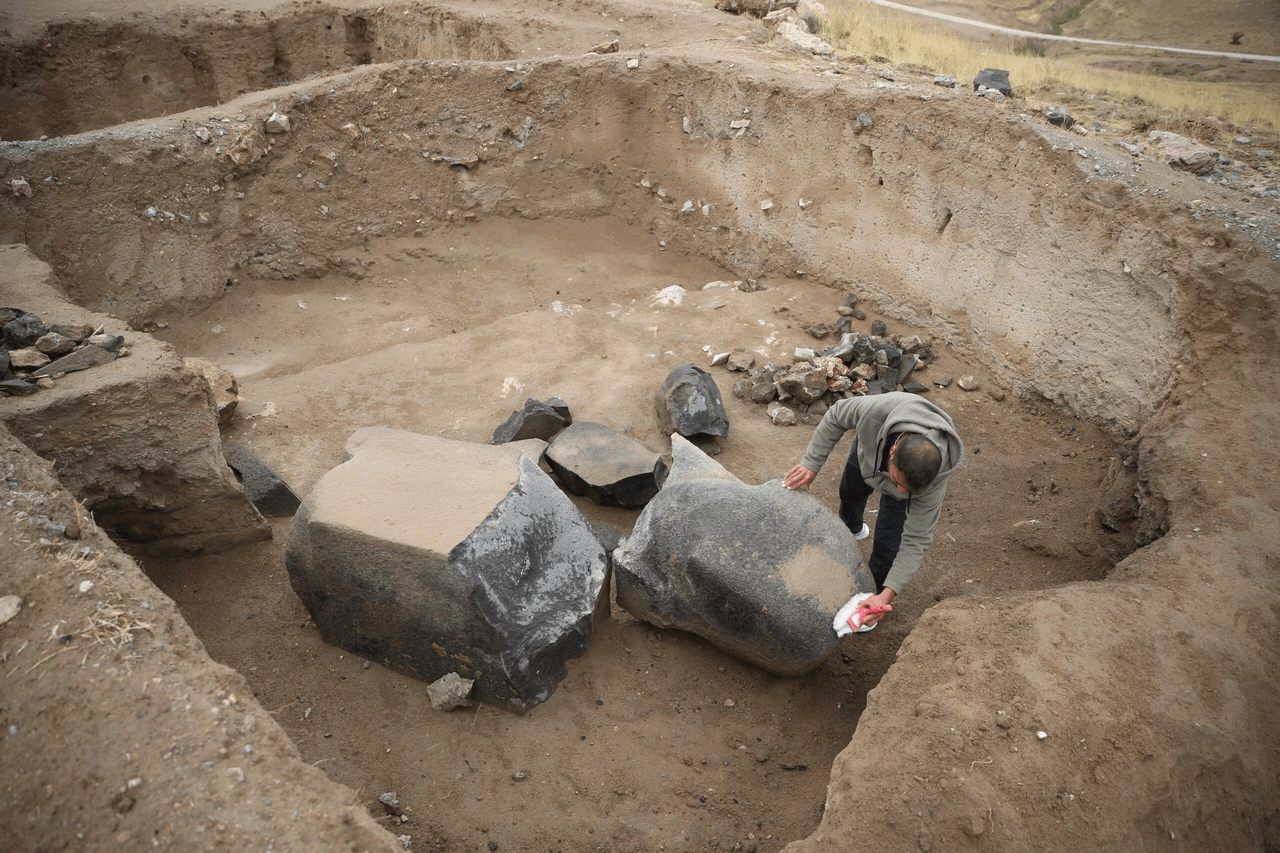
Archaeological excavations at Kef Castle in Bitlis, southeast Turkey, have uncovered animal bones, ceramics, and tools made of flint and obsidian. The castle, one of four built during the reign of Urartian King Rusa II (685-645 B.C.), is located at an altitude of 2,300 meters (7,545 feet). The information that will be obtained during the

2100-year-old graves unearthed in the area where the zoo will be built

2100-year-old tombs unearthed in the area where the zoo will be built

Construction equipment that started to work on the construction of the zoo unearthed 2100-year-old tombs. Xinhua News Agency announced the discovery of an ancient burial site with 148 tombs in the Guangzhou area in South China’s Guangdong Province. Xinhua reported that the tombs date back from the Han Dynasty (206 BC-AD 220) to the early

3,000-year-old Iron Age figurine discovered in Lake Bolsena, Italy, with the fingerprints of its maker

3,000-year-old Iron Age figurine discovered in Lake Bolsena, Italy, with the fingerprints of its maker

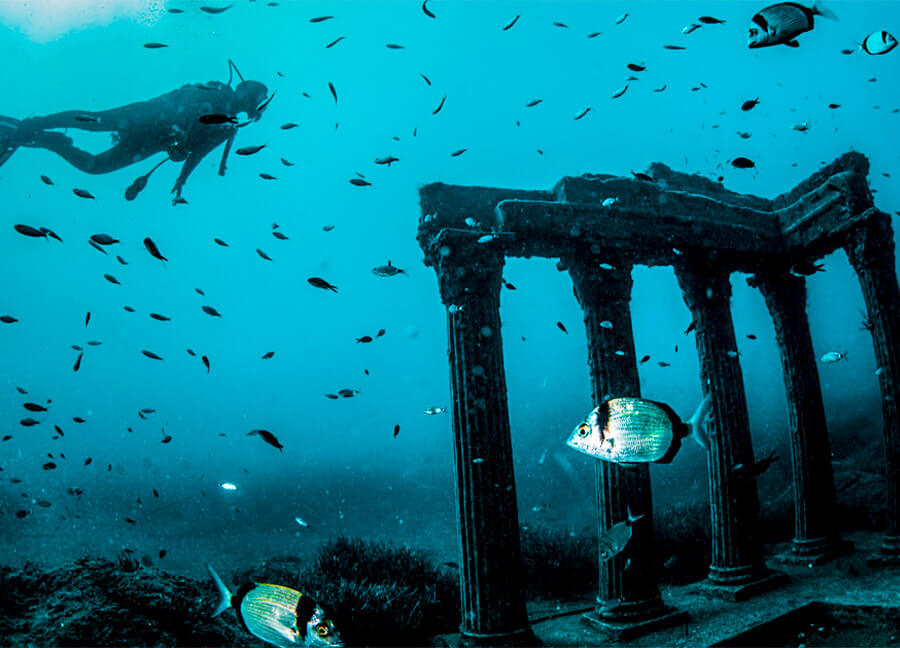
In Lake Bolsena, a volcanic lake in central Italy, a 3,000-year-old terracotta female figure was discovered during work at the sunken archaeological site of Gran Carro. Remarkably, after 3000 years underwater, the figure still bears the fingerprints of its maker. This discovery was made as part of the National Recovery and Resilience Plan (NRRP), which

Tavsanli Mound, the heart of Kütahya

4000-year-old ceramic seal discovered at Tavşanlı mound, known as the “heart of Kütahya”

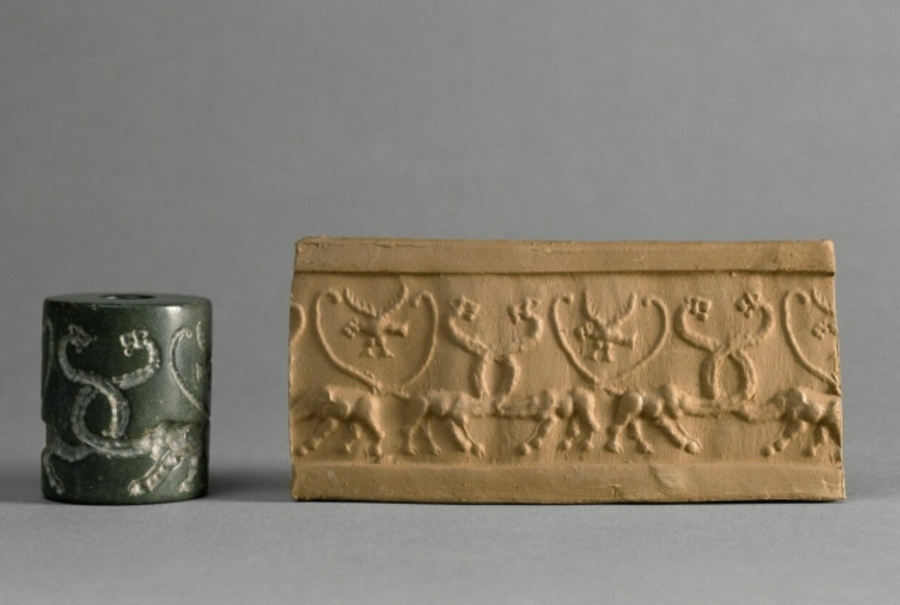
A 4000-year-old ceramic seal was discovered in Tavşanlı mound, also known as the “Heart of Kütahya” because it resembles the shape of a heart when viewed from the air, in the Tavşanlı district of Kütahya in western Türkiye. The excavation of Tavşanlı mound continues under the chairmanship of Prof. Erkan Fidan, Head of the Department

1 65 66 67 68 69 111